Special Web Offer - Get 50% OFF!
Grab Your Deal Now
PlantSnap
Plant Care
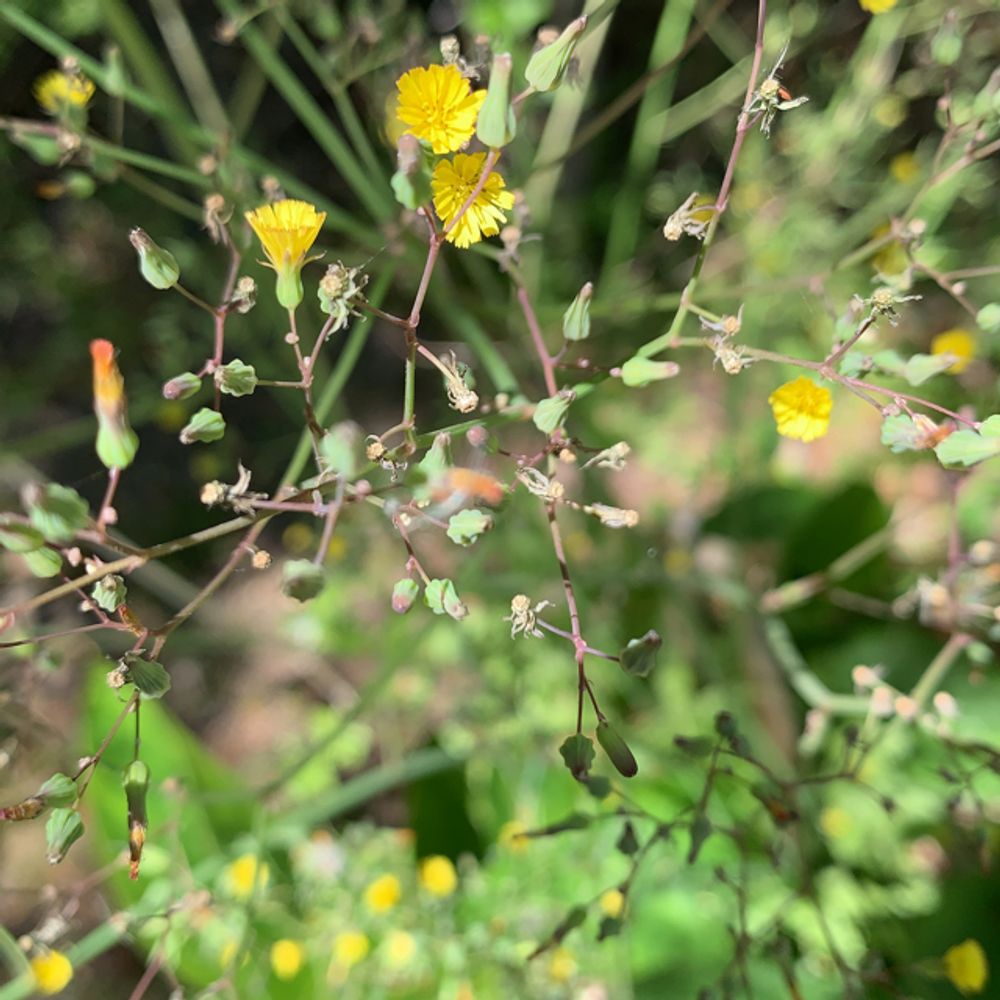
Oriental false hawksbeard
(Youngia japonica japonica)
Also Known As
Oriental false hawksbeard, Japanese hawkweed, Chinese hawkesbeard, Youngia, Asian hawkweed
About This Plant
Youngia japonica japonica is a small, herbaceous, annual plant that belongs to the family Asteraceae. It has a basal rosette of leaves and produces small, yellow flowers on long, thin stems. The plant is native to East Asia and is commonly found in Japan, Korea, and China.
Plant Care Instructions
Outdoor Size Range
6-12 inches (15-30 cm)
Light Requirements
Youngia japonica japonica prefers full sun to partial shade. It can tolerate some shade, but too much shade can cause the plant to become leggy and weak.
Humidity Needs
Youngia japonica japonica does not have any specific humidity requirements, but it prefers moderate to high humidity levels.
Fertilizing Schedule
The plant does not require heavy fertilization, but it benefits from a balanced, all-purpose fertilizer once a month during the growing season.
Pruning Guidelines
Youngia japonica japonica does not require regular pruning, but it can benefit from deadheading to encourage further blooming.
Common Pests and Diseases
The plant is not commonly affected by pests, but it can be susceptible to aphids and spider mites.
Indoor Size Range
4-6 inches (10-15 cm)
Watering Schedule
The plant requires moderate watering. It is important to keep the soil moist, but not waterlogged, as this can cause root rot. Allow the top inch of soil to dry out before watering again.
Temperature Range
The plant prefers moderate temperatures between 60-75°F (15-24°C). It can tolerate colder temperatures, but it is not frost hardy.
Growing Season
The plant can be grown year-round in warm, frost-free climates. In colder climates, it can be grown as an annual during the summer months.
Growing Difficulty Level
Youngia japonica japonica is an easy plant to grow and maintain.
USDA Hardiness Zones
Youngia japonica japonica is not frost hardy and is suitable for USDA hardiness zones 9-11.
Did You Know?
In traditional Chinese medicine, Youngia japonica japonica is believed to have medicinal properties and is used to treat a variety of ailments, including respiratory and digestive issues.
