Special Web Offer - Get 50% OFF!
Grab Your Deal Now
PlantSnap
Plant Care
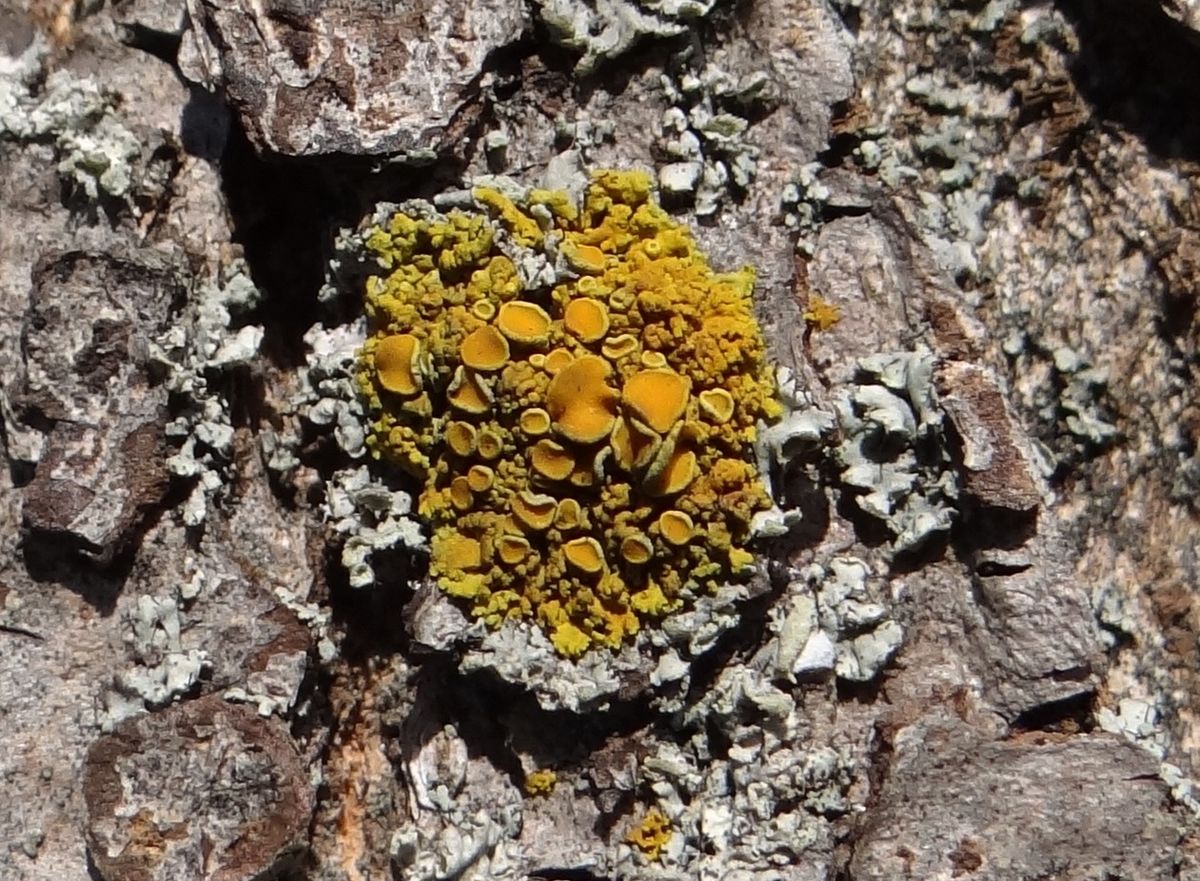
Maritime sunburst lichen
(Xanthoria polycarpa)
Also Known As
Maritime sunburst lichen, Golden comma lichen, Polycarpa lichen, Golden lichen
About This Plant
Xanthoria polycarpa is a foliose lichen species that belongs to the family Teloschistaceae. It has a bright yellow-green thallus with numerous small lobes that are often arranged in a rosette-like pattern. It reproduces both sexually and asexually, and is commonly found in arid and semi-arid regions.
Plant Care Instructions
Outdoor Size Range
0.5-2 inches (1.3-5 cm)
Light Requirements
Xanthoria polycarpa requires moderate to high light levels. It can tolerate some shade, but grows best in bright, indirect light.
Humidity Needs
Xanthoria polycarpa prefers low humidity levels and is able to tolerate dry air. High humidity can promote the growth of competing fungi and lichens.
Fertilizing Schedule
No fertilizer is necessary for Xanthoria polycarpa, as it obtains its nutrients from the air and surrounding environment.
Pruning Guidelines
No pruning is necessary for this lichen species.
Common Pests and Diseases
Xanthoria polycarpa is generally resistant to pests and diseases. However, it may be susceptible to damage from air pollution and other environmental stressors.
Indoor Size Range
Not applicable
Watering Schedule
This lichen species is able to survive long periods of drought, but will benefit from occasional watering during dry spells. It should be watered sparingly, allowing the soil to dry out slightly between waterings.
Temperature Range
This lichen species is able to tolerate a wide range of temperatures, from below freezing to over 100°F (38°C). It can survive extreme heat and cold, but will grow best in moderate temperatures between 60-80°F (15.5-26.5°C).
Growing Season
Xanthoria polycarpa can grow year-round in suitable conditions, but is most active during the spring and fall.
Growing Difficulty Level
Xanthoria polycarpa is relatively easy to grow, as it requires minimal care and maintenance. It is able to survive in a wide range of conditions, and can even grow on rocks and other non-soil substrates.
USDA Hardiness Zones
Not applicable
Did You Know?
Xanthoria polycarpa is commonly used as a bioindicator of air pollution, as it is able to absorb heavy metals and other pollutants from the surrounding environment.
