Special Web Offer - Get 50% OFF!
Grab Your Deal Now
PlantSnap
Plant Care
Chinese wisteria
(Wisteria sinensis)
Also Known As
Chinese wisteria, Wisteria, Blue wisteria, Wisteria floribunda
About This Plant
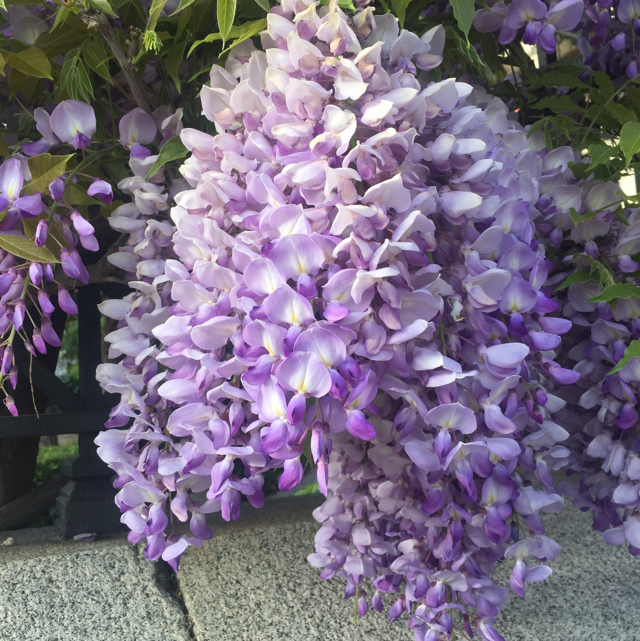
Wisteria sinensis is a deciduous climbing plant, native to China. It is known for its beautiful, fragrant, and cascading purple flowers that bloom in the spring and summer. The plant can grow up to 30 feet (9 meters) in length and width.
Plant Care Instructions
Outdoor Size Range
20-30 feet (6-9 meters) in length and width.
Light Requirements
Wisteria sinensis requires full sun to partial shade. It needs at least 6 hours of direct sunlight a day to bloom properly.
Humidity Needs
Wisteria sinensis prefers moderate humidity levels. It can tolerate dry air, but it may affect its growth and flowering.
Fertilizing Schedule
Wisteria sinensis requires regular fertilization during the growing season. Use a balanced fertilizer every 2-3 weeks to promote growth and flowering.
Pruning Guidelines
Pruning is essential to keep the plant in shape and promote flowering. The best time to prune is in late winter or early spring, before new growth appears. Cut back the previous year's growth to 2-3 buds to encourage new growth and flowering.
Common Pests and Diseases
The plant is susceptible to aphids, spider mites, and mealybugs. Regular inspection and treatment with insecticidal soap or neem oil can help prevent infestations.
Indoor Size Range
Not suitable for indoor cultivation.
Watering Schedule
The plant needs regular watering, especially during the growing season. However, it is important to avoid overwatering as it can lead to root rot.
Temperature Range
The plant can tolerate a wide range of temperatures, but it prefers mild temperatures between 65-80°F (18-27°C). It can tolerate temperatures as low as -20°F (-29°C) during the winter.
Growing Season
The growing season for Wisteria sinensis is from spring to fall. It blooms in the spring and summer.
Growing Difficulty Level
Wisteria sinensis is moderately difficult to grow. It requires regular maintenance and pruning to keep it in shape and promote flowering. It can also be invasive if not managed properly.
USDA Hardiness Zones
USDA hardiness zones 5-9.
Did You Know?
Wisteria sinensis is a popular plant in traditional Chinese medicine. Its bark and roots are used to treat digestive and respiratory problems.