Special Web Offer - Get 50% OFF!
Grab Your Deal Now
PlantSnap
Plant Care
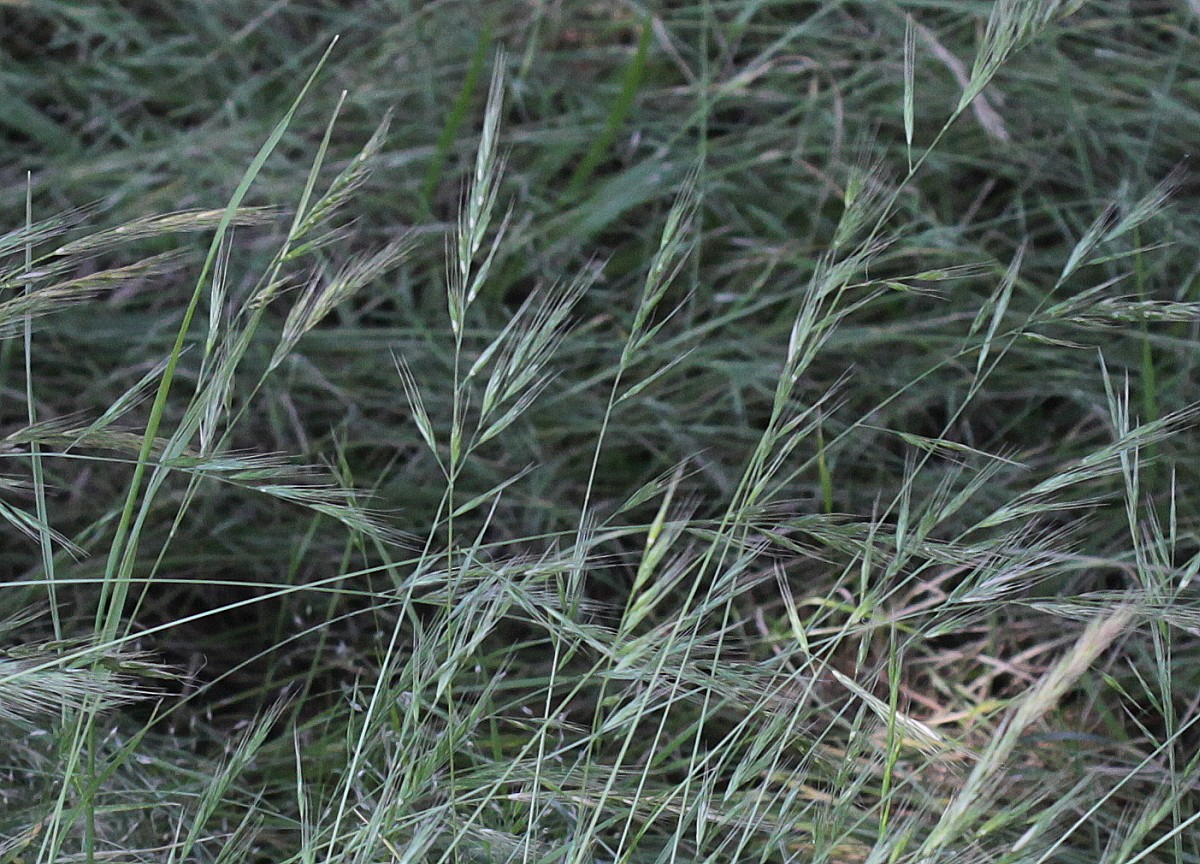
Brome fescue
(Vulpia bromoides)
Also Known As
Brome fescue, Brome-like vulpia, Cheatgrass, Dichondra
About This Plant
Vulpia bromoides is a species of grass that is native to Europe, Asia, and North Africa. It has a slender stem and narrow leaves that are green in color. The plant produces small, inconspicuous flowers in the summer.
Plant Care Instructions
Outdoor Size Range
Height: 1-2 feet (30-60 cm), Spread: 1-2 feet (30-60 cm)
Light Requirements
Brome Fescue prefers full sun to partial shade. It can tolerate some shade, but too much shade will cause the plant to become leggy and weak.
Humidity Needs
Brome Fescue does not have specific humidity requirements.
Fertilizing Schedule
The plant does not require much fertilizer. A light application of balanced fertilizer in the spring can help promote growth.
Pruning Guidelines
Brome Fescue does not require pruning.
Common Pests and Diseases
Brome Fescue is not prone to many pests or diseases. However, it can be susceptible to rust and leaf spot.
Indoor Size Range
Not suitable for indoor growth
Watering Schedule
The plant is drought-tolerant and does not require much watering. It prefers well-draining soil and should be watered only when the soil is dry.
Temperature Range
Brome Fescue can tolerate a wide range of temperatures, from hot summers to cold winters. It is hardy to USDA zones 4-9.
Growing Season
Brome Fescue grows in the spring and summer.
Growing Difficulty Level
Brome Fescue is an easy plant to grow and is low-maintenance.
USDA Hardiness Zones
USDA hardiness zones 4-9.
Did You Know?
Brome Fescue is often used in erosion control and as a cover crop due to its ability to grow quickly and stabilize soil.