Special Web Offer - Get 50% OFF!
Grab Your Deal Now
PlantSnap
Plant Care
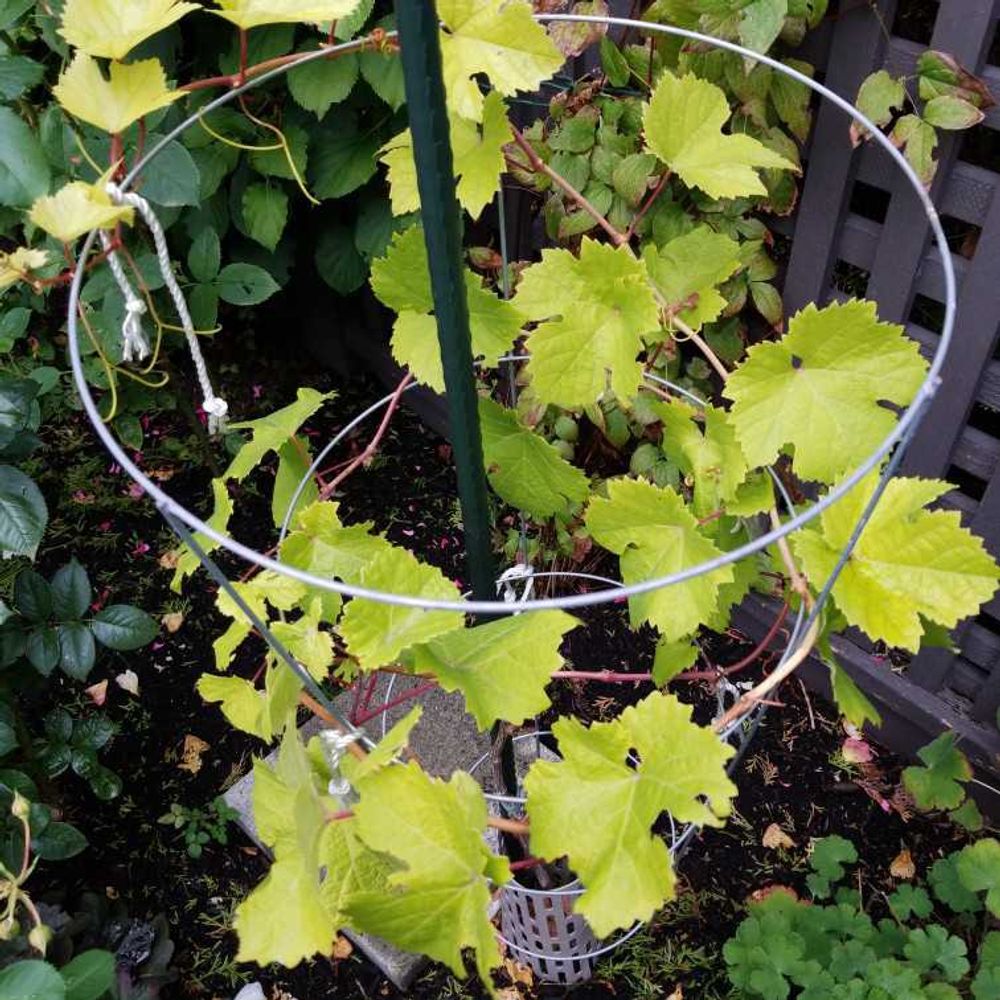
Common grape vine
(Vitus vinifera)
Also Known As
Common grape vine, Wine grape, European grape, Vine
About This Plant
Vitis vinifera is a species of grapevine native to the Mediterranean region, central Europe, and southwestern Asia. It is a woody perennial vine that climbs by tendrils, has alternate, palmately lobed leaves, and produces clusters of grapes. The grapes can be eaten raw or used to make wine, juice, and other products.
Plant Care Instructions
Outdoor Size Range
Up to 30 feet (9.1 m) in length
Light Requirements
Vitis vinifera requires full sun exposure (at least 6 hours of direct sunlight per day) for optimal growth and fruit production.
Humidity Needs
Vitis vinifera prefers low to moderate humidity levels. High humidity can lead to fungal diseases.
Fertilizing Schedule
Fertilize the plant with a balanced fertilizer in early spring before growth begins. Repeat fertilization every 4-6 weeks during the growing season.
Pruning Guidelines
Prune the plant in late winter or early spring before new growth begins. Remove old, damaged, or diseased wood, and train the remaining wood to a trellis or support system.
Common Pests and Diseases
Common pests and diseases for Vitis vinifera include powdery mildew, downy mildew, black rot, and phylloxera.
Indoor Size Range
Not suitable for indoor growth
Watering Schedule
The plant requires moderate watering during the growing season. Water the plant deeply and then let the soil dry out slightly before watering again. Reduce watering during the dormant season.
Temperature Range
The plant prefers a warm climate and does not tolerate frost. The optimal temperature range for growth is between 60-90°F (15-32°C).
Growing Season
Late spring to early fall
Growing Difficulty Level
Moderate
USDA Hardiness Zones
6-9
Did You Know?
The oldest grapevine in the world is believed to be over 400 years old and still produces fruit. It is located in Slovenia and is known as the Old Vine.
