Special Web Offer - Get 50% OFF!
Grab Your Deal Now
PlantSnap
Plant Care
Canyon grape
(Vitis arizonica)
Also Known As
Canyon grape, Arizona grape, Desert grape, Wild grape
About This Plant
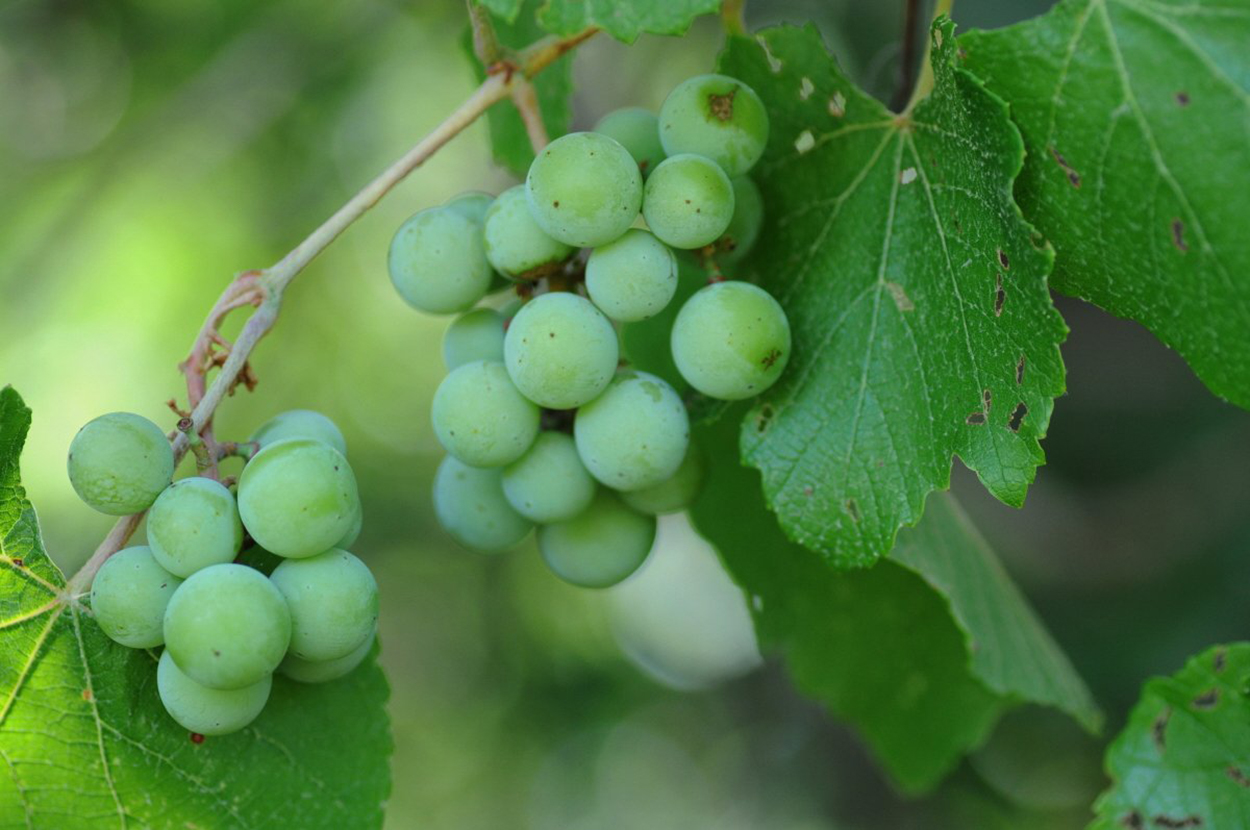
Vitis arizonica is a deciduous vine species that is native to the southwestern United States and northern Mexico. It is a fast-growing vine that can reach up to 50 feet (15 meters) in length. The leaves are lobed and toothed, and the flowers are small and greenish-yellow. The fruit is a small, black berry that is edible but not commonly consumed by humans.
Plant Care Instructions
Outdoor Size Range
Up to 50 feet (15 meters)
Light Requirements
Arizona grape prefers full sun but can tolerate some shade.
Humidity Needs
Arizona grape prefers low to moderate humidity levels.
Fertilizing Schedule
Arizona grape does not require much fertilizer, but a balanced fertilizer can be applied in the spring.
Pruning Guidelines
Arizona grape requires regular pruning to control its growth and promote fruit production. Pruning should be done in the winter when the plant is dormant.
Common Pests and Diseases
Common pests for Arizona grape include spider mites, mealybugs, and grape phylloxera. Diseases that can affect Arizona grape include powdery mildew and downy mildew.
Indoor Size Range
Not suitable for indoor growth
Watering Schedule
Arizona grape prefers well-drained soil and moderate watering. It can tolerate some drought but not waterlogging.
Temperature Range
Arizona grape can tolerate a wide range of temperatures, from as low as -10°F (-23°C) to as high as 115°F (46°C).
Growing Season
Arizona grape grows best in the spring and summer months, but it can also grow in the fall.
Growing Difficulty Level
Arizona grape is relatively easy to grow, but it requires regular pruning to control its growth and promote fruit production.
USDA Hardiness Zones
Arizona grape is hardy in USDA zones 7-10.
Did You Know?
Arizona grape is an important food source for wildlife, including birds and small mammals.
