Special Web Offer - Get 50% OFF!
Grab Your Deal Now
PlantSnap
Plant Care
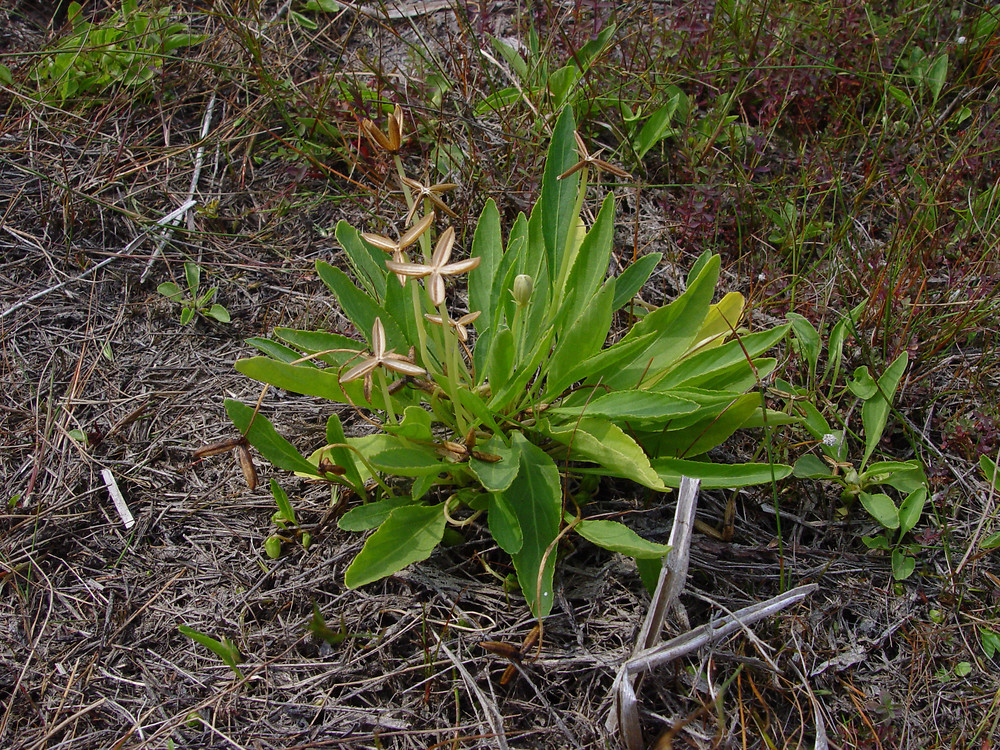
Lance-leaved violet
(Viola lanceolata)
Also Known As
Lance-leaved violet, Narrow-leaved violet, Dog-tooth violet
About This Plant
Viola lanceolata is a herbaceous perennial plant that is native to North America. It has small yellow flowers with dark purple veins and lance-shaped leaves. The plant grows up to 12 inches (30 cm) tall and 8 inches (20 cm) wide.
Plant Care Instructions
Outdoor Size Range
8-12 inches (20-30 cm)
Light Requirements
Viola lanceolata prefers partial shade to full sun. It can tolerate shade but may not flower as well.
Humidity Needs
Viola lanceolata prefers average to high humidity levels.
Fertilizing Schedule
The plant does not require fertilizer but can benefit from a balanced fertilizer applied in the spring.
Pruning Guidelines
Prune the plant after flowering to encourage bushy growth and remove any dead or damaged foliage.
Common Pests and Diseases
Common pests and diseases for Viola lanceolata include aphids, slugs, snails, and powdery mildew.
Indoor Size Range
8-12 inches (20-30 cm)
Watering Schedule
The plant prefers moist, well-drained soil. Water regularly but do not overwater.
Temperature Range
The plant can tolerate a wide range of temperatures but prefers cool to moderate temperatures.
Growing Season
Viola lanceolata blooms from April to June.
Growing Difficulty Level
Viola lanceolata is easy to grow and low maintenance.
USDA Hardiness Zones
Viola lanceolata is hardy in USDA zones 4-8.
Did You Know?
Viola lanceolata has been used in traditional medicine to treat a variety of ailments, including respiratory infections, skin conditions, and headaches.