Special Web Offer - Get 50% OFF!
Grab Your Deal Now
PlantSnap
Plant Care
Howell's violet
(Viola howellii)
Also Known As
Howell's violet, Howell's pansy
About This Plant
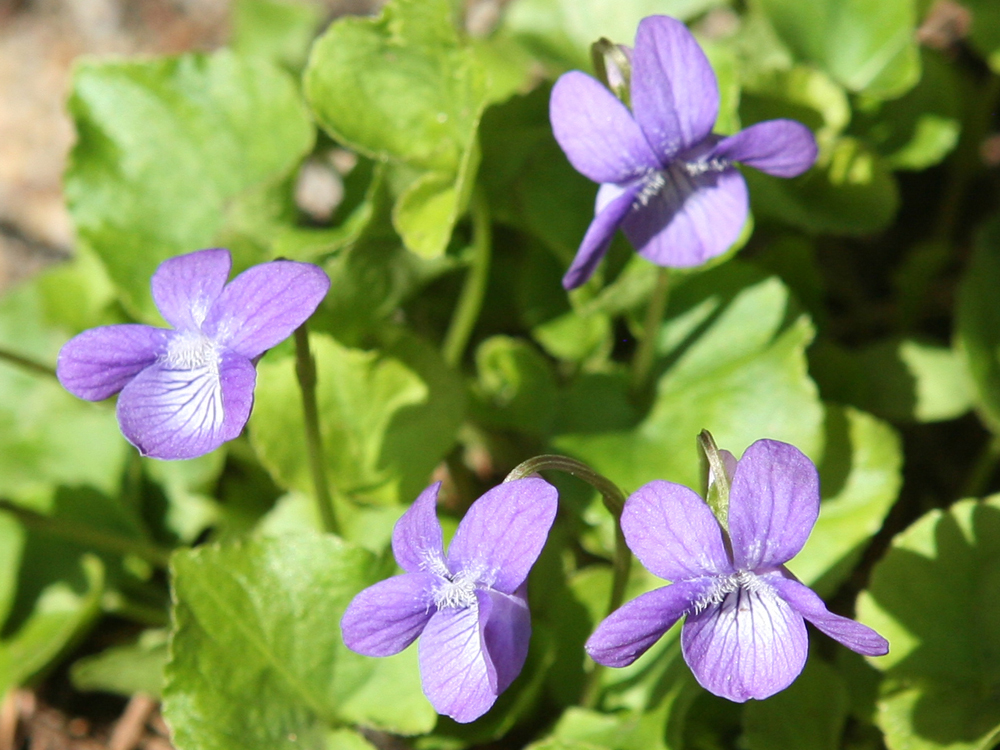
Viola howellii is a species of violet endemic to California. It is a perennial herb growing from a thick, branching caudex and producing a clump of leaves and erect stems up to 25 centimeters tall. The leaves are divided into oval or lance-shaped leaflets, the blades up to 6 centimeters long. The solitary flowers are borne on stems that are longer than the leaves, each flower about 1 to 1.5 centimeters wide with five purple-blue petals. The fruit is a capsule containing many small seeds.
Plant Care Instructions
Outdoor Size Range
6-12 inches (15-30 cm)
Light Requirements
Howell's violet prefers partial shade to full shade. It can tolerate some morning sun but should be protected from hot afternoon sun.
Humidity Needs
Howell's violet prefers moderate humidity levels, but it can tolerate lower humidity levels.
Fertilizing Schedule
Fertilize once a month during the growing season with a balanced fertilizer. Avoid over-fertilizing, as this can lead to weak growth and reduced flowering.
Pruning Guidelines
Deadhead spent blooms regularly to encourage more flowering. Cut back the plant by one-third in late summer to promote new growth and a more compact shape.
Common Pests and Diseases
Howell's violet can be susceptible to aphids, spider mites, and powdery mildew. Keep an eye out for these pests and treat them promptly if they appear.
Indoor Size Range
6-8 inches (15-20 cm)
Watering Schedule
Water regularly, keeping the soil moist but not waterlogged. Allow the soil to dry out slightly between waterings.
Temperature Range
This plant prefers cool temperatures between 60-70°F (15-21°C). It can tolerate slightly higher temperatures up to 75°F (24°C), but it may struggle in hot and humid conditions.
Growing Season
Howell's violet blooms from late winter to early spring.
Growing Difficulty Level
Howell's violet is moderately difficult to grow. It requires consistent moisture and cool temperatures, which can be challenging to provide in some environments.
USDA Hardiness Zones
USDA hardiness zones 7a to 8b
Did You Know?
Viola howellii is named after Thomas Jefferson Howell, a physician and botanist who collected the first known specimen of this plant in 1876.