Special Web Offer - Get 50% OFF!
Grab Your Deal Now
PlantSnap
Plant Care
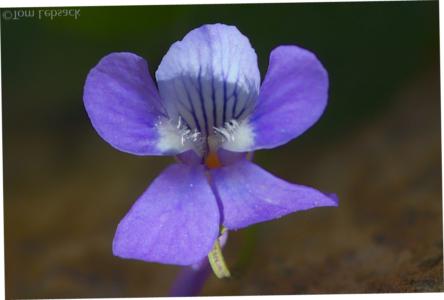
Marsh blue violet
(Viola cucullata)
Also Known As
Marsh blue violet, Southern yellow violet, Marsh violet
About This Plant
Viola cucullata, commonly known as marsh blue violet, is a perennial herbaceous plant that belongs to the Violaceae family. It typically grows up to 12 inches (30 cm) in height and spreads up to 18 inches (45 cm) in width. The plant features heart-shaped leaves and blue-violet flowers with yellow centers.
Plant Care Instructions
Outdoor Size Range
6-18 inches (15-45 cm)
Light Requirements
Viola cucullata prefers partial shade to full sun exposure. In indoor settings, it requires bright, indirect light.
Humidity Needs
The plant prefers moderate to high humidity levels. It can benefit from occasional misting or placement on a pebble tray.
Fertilizing Schedule
Feed the plant with a balanced, water-soluble fertilizer every two weeks during the growing season (spring and summer).
Pruning Guidelines
Prune the plant to remove dead or yellowing leaves and spent flowers. This will encourage new growth and prolong the blooming period.
Common Pests and Diseases
Common pests that can affect Viola cucullata include aphids, spider mites, and slugs. The plant can also be susceptible to powdery mildew and leaf spot diseases.
Indoor Size Range
6-12 inches (15-30 cm)
Watering Schedule
The plant requires consistently moist soil, but not waterlogged. Water the plant when the top inch of soil feels dry to the touch.
Temperature Range
Viola cucullata prefers cool to moderate temperatures, ranging from 60-75°F (15-24°C). Avoid exposing the plant to temperatures below 50°F (10°C).
Growing Season
The growing season for Viola cucullata is spring and summer.
Growing Difficulty Level
Viola cucullata is relatively easy to grow and care for, making it a great choice for beginner gardeners.
USDA Hardiness Zones
Viola cucullata is hardy in USDA zones 4-8.
Did You Know?
Viola cucullata is the state flower of New Jersey and Rhode Island in the United States.
