Special Web Offer - Get 50% OFF!
Grab Your Deal Now
PlantSnap
Plant Care
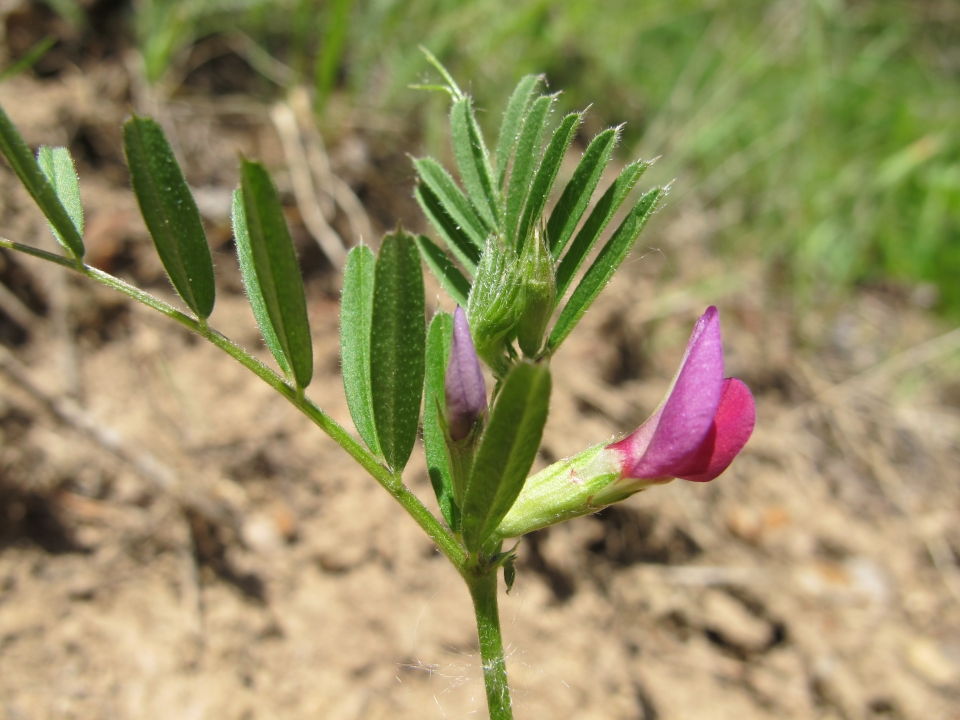
Common vetch
(Vicia sativa)
Also Known As
Common vetch, Hairy vetch, Wild vetch, Garden vetch
About This Plant
Vicia sativa is a member of the pea family Fabaceae. It is an annual plant that is commonly used as a forage crop for livestock. The plant is known for its slender stems, pinnate leaves, and small white or pink flowers.
Plant Care Instructions
Outdoor Size Range
Height: 1-3 feet (30-90 cm), Spread: 1-2 feet (30-60 cm)
Light Requirements
Vicia sativa prefers full sun to partial shade. It requires at least 6 hours of direct sunlight per day.
Humidity Needs
The plant can tolerate a wide range of humidity levels and does not require any specific humidity conditions.
Fertilizing Schedule
The plant does not require much fertilizer. A general-purpose fertilizer can be applied once a month during the growing season.
Pruning Guidelines
Vicia sativa does not require pruning.
Common Pests and Diseases
Common pests for Vicia sativa include aphids, spider mites, and thrips. The plant is also susceptible to root rot and powdery mildew.
Indoor Size Range
Not suitable for indoor growth
Watering Schedule
The plant requires moderate watering. It should be watered when the top inch of soil is dry to the touch.
Temperature Range
Vicia sativa grows best in temperatures between 60-75°F (15-24°C). It can tolerate temperatures as low as 40°F (4°C) and as high as 90°F (32°C).
Growing Season
The growing season for Vicia sativa is from early spring to late fall.
Growing Difficulty Level
Vicia sativa is relatively easy to grow and maintain.
USDA Hardiness Zones
Vicia sativa can be grown in USDA hardiness zones 3-9.
Did You Know?
Vicia sativa is also known as the 'Common Vetch' or 'Tare'. It has been used as a cover crop to improve soil health and as a green manure to add nutrients to the soil.
