Special Web Offer - Get 50% OFF!
Grab Your Deal Now
PlantSnap
Plant Care
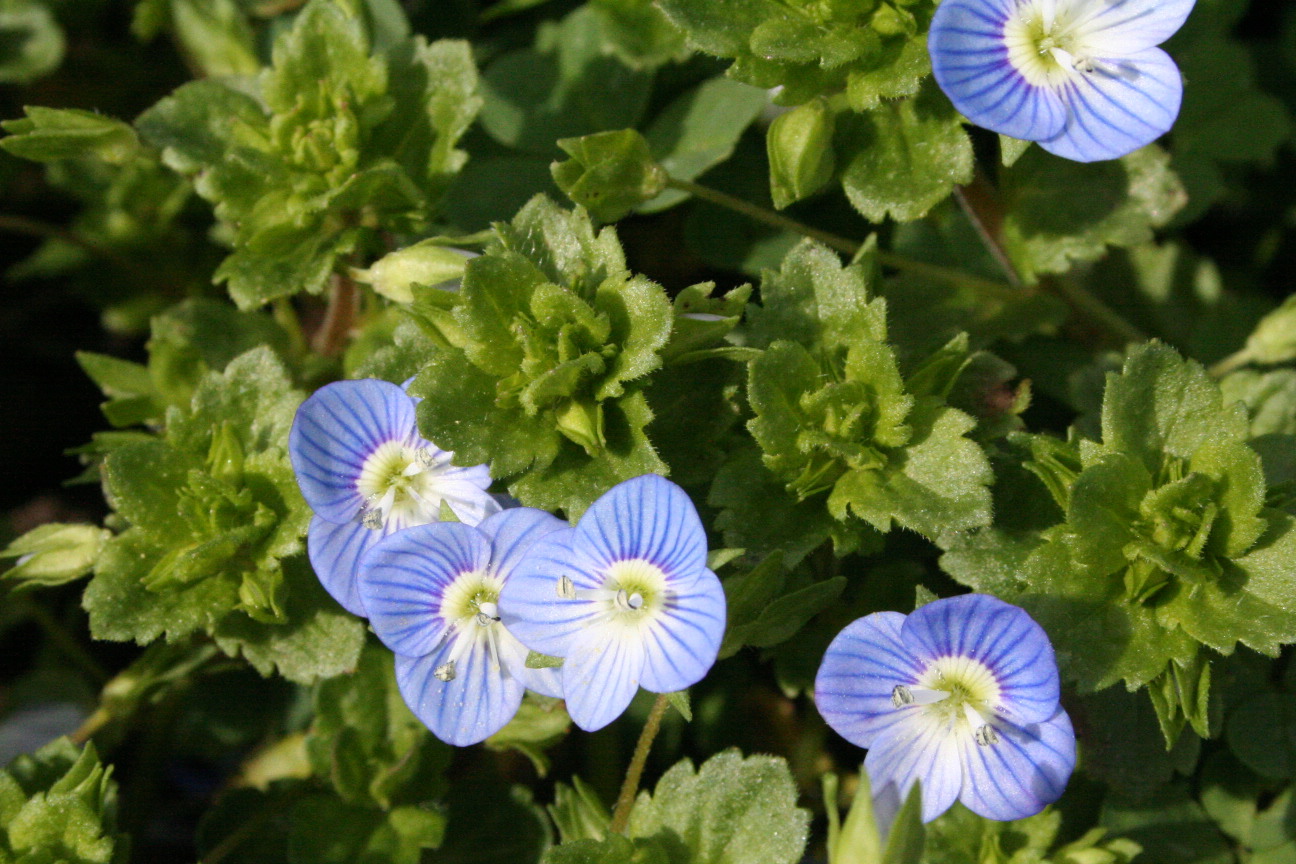
Bird's-eye speedwell
(Veronica persica)
Also Known As
Bird's-eye speedwell, Persian speedwell, Common speedwell, Creeping speedwell
About This Plant
Veronica persica is a low-growing, herbaceous plant species that belongs to the Plantaginaceae family. It is native to Europe and Asia and is widely naturalized in North America. The plant is commonly known as Persian speedwell due to its origin and rapid growth rate.
Plant Care Instructions
Outdoor Size Range
6-12 inches (15-30 cm)
Light Requirements
Veronica persica requires full sun to partial shade. It can tolerate shade but may not flower as well.
Humidity Needs
The plant does not have any specific humidity requirements and can grow in a wide range of humidity levels.
Fertilizing Schedule
The plant does not require heavy fertilization. A light application of balanced fertilizer once a month during the growing season can be beneficial.
Pruning Guidelines
Pruning can help maintain the plant's shape and encourage bushier growth. Deadheading spent flowers can also promote more blooms.
Common Pests and Diseases
Veronica persica is relatively pest-free but can be susceptible to spider mites, aphids, and slugs.
Indoor Size Range
6-8 inches (15-20 cm)
Watering Schedule
The plant prefers evenly moist soil but can tolerate short periods of drought. Watering should be reduced during the winter months.
Temperature Range
Veronica persica can tolerate a wide range of temperatures, from -30°F (-34°C) to 110°F (43°C).
Growing Season
Veronica persica typically blooms from early spring to early summer.
Growing Difficulty Level
Veronica persica is an easy plant to grow and maintain, making it an excellent choice for beginners.
USDA Hardiness Zones
Veronica persica is hardy in USDA zones 4-8.
Did You Know?
In traditional herbal medicine, Veronica persica has been used to treat a variety of ailments, including respiratory infections, digestive issues, and skin problems.
