Special Web Offer - Get 50% OFF!
Grab Your Deal Now
PlantSnap
Plant Care
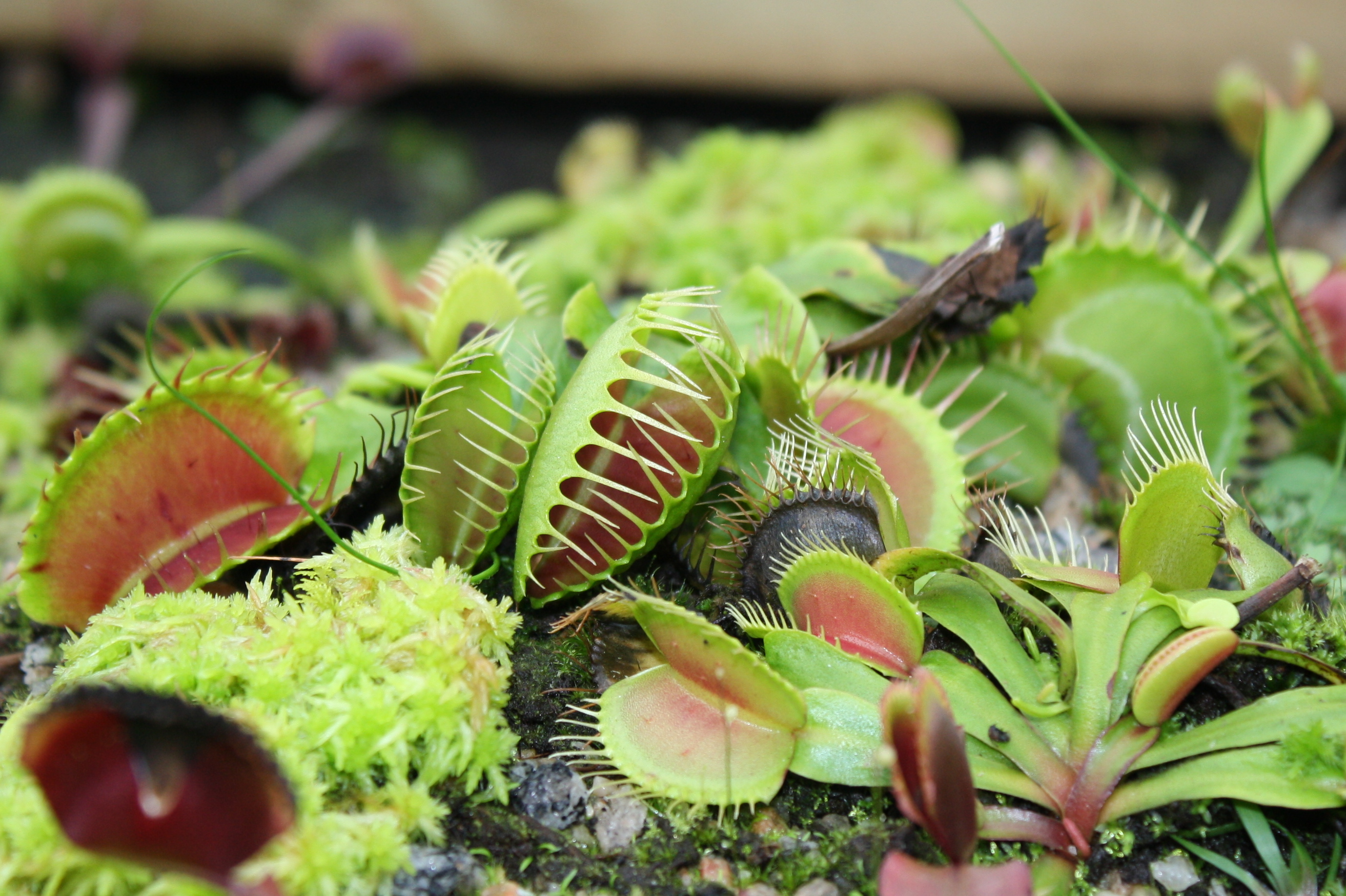
Venus flytrap
(Dionaea Ellis)
Also Known As
Venus flytrap, Dionaea muscipula
About This Plant
Dionaea Ellis is a carnivorous plant species that is native to the subtropical wetlands of the United States, specifically in North and South Carolina. It is a small plant that grows up to 5 inches (12.7 cm) in diameter and has unique leaves that are modified into small traps that snap shut when triggered by prey. The plant is also known as the Venus Flytrap.
Plant Care Instructions
Outdoor Size Range
4-6 inches (10.16-15.24 cm)
Light Requirements
The Venus Flytrap requires bright, direct sunlight for at least 4-6 hours a day. It can also be grown under artificial light.
Humidity Needs
The Venus Flytrap requires high humidity levels, ideally between 50-60%. It can be achieved by placing the plant on a tray filled with water and pebbles.
Fertilizing Schedule
The Venus Flytrap does not require fertilizer as it gets its nutrients from the insects it catches. Fertilizer can actually harm the plant.
Pruning Guidelines
The Venus Flytrap does not require pruning. However, if the leaves turn black or brown, they should be removed to prevent the spread of disease.
Common Pests and Diseases
Common pests for the Venus Flytrap include spider mites, aphids, and mealybugs. It is important to avoid using insecticides as they can harm the plant.
Indoor Size Range
4-6 inches (10.16-15.24 cm)
Watering Schedule
The soil of the Venus Flytrap should be kept moist at all times. It is recommended to use distilled water or rainwater to avoid minerals that may harm the plant.
Temperature Range
The Venus Flytrap thrives in temperatures between 70-80°F (21-27°C) during the day and 60-70°F (15-21°C) at night.
Growing Season
The Venus Flytrap can be grown year-round indoors. Outdoors, it can be grown in USDA hardiness zones 8-10.
Growing Difficulty Level
The Venus Flytrap is considered a moderately difficult plant to grow as it requires specific growing conditions and care. However, with proper care, it can thrive and be a fascinating addition to any collection.
USDA Hardiness Zones
8-10
Did You Know?
The Venus Flytrap is one of the few plants that is capable of rapid movement. Its modified leaves can snap shut in just 0.1 seconds, trapping prey inside.
