Special Web Offer - Get 50% OFF!
Grab Your Deal Now
PlantSnap
Plant Care
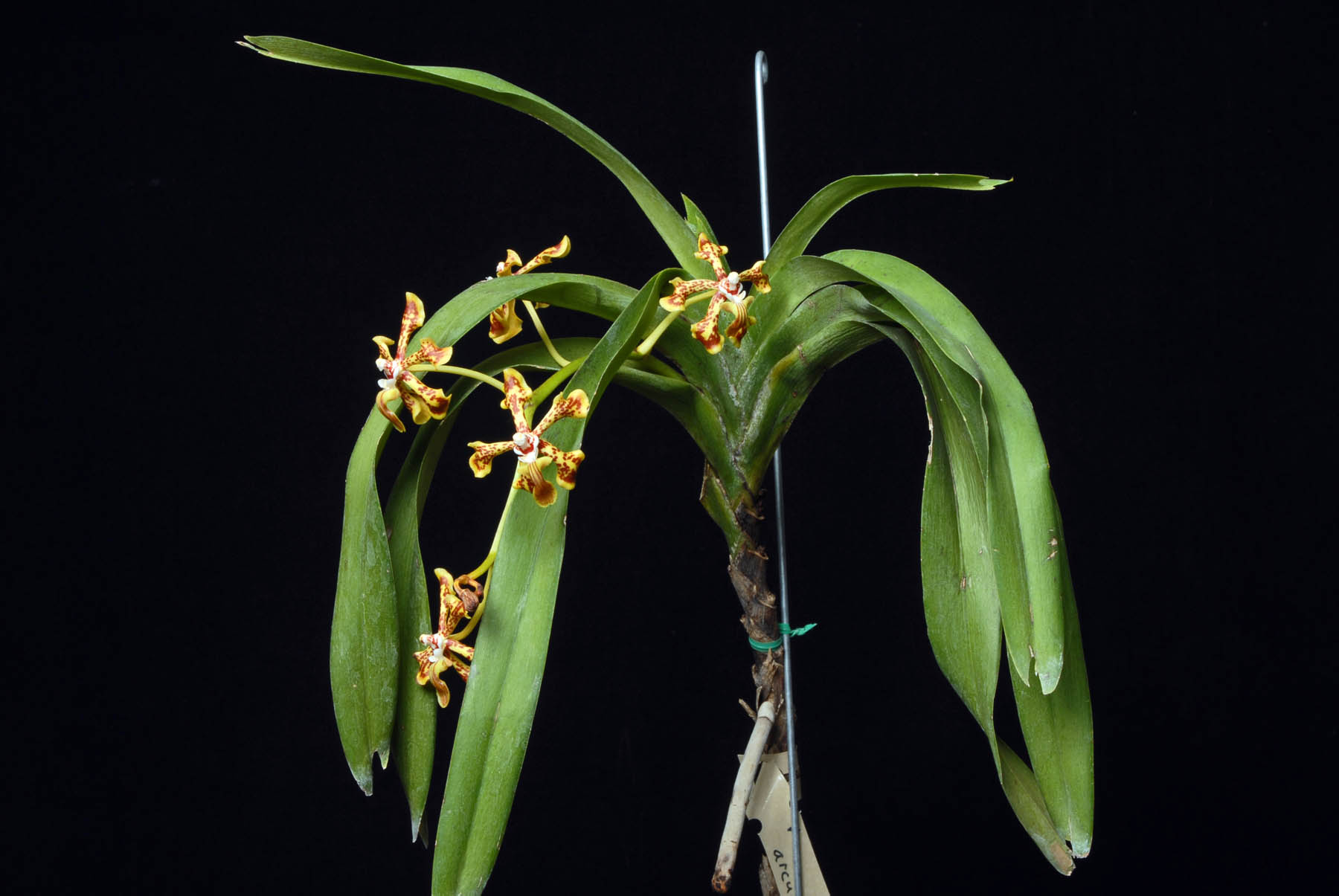
Scandent vanda
(Vanda scandens)
Also Known As
Scandent vanda, Climbing vanda, Vanda orchid
About This Plant
Vanda scandens is a species of orchid native to Southeast Asia. It is a epiphytic plant that grows on trees and rocks. The plant is known for its long-lasting and fragrant flowers that bloom in clusters.
Plant Care Instructions
Outdoor Size Range
Height: 6-12 inches (15-30 cm), Spread: 4-6 inches (10-15 cm)
Light Requirements
Vanda scandens requires bright, indirect light. It should be placed in a spot where it can receive at least 4 hours of sunlight per day.
Humidity Needs
Vanda scandens requires high humidity levels, ideally between 50-70%. It can be grown in a humid environment such as a greenhouse or a terrarium.
Fertilizing Schedule
The plant should be fertilized regularly during the growing season with a balanced fertilizer. It should be fertilized every 2-3 weeks with a weak solution of fertilizer.
Pruning Guidelines
Vanda scandens should be pruned after flowering to encourage new growth. The plant should be trimmed back to the second or third node on the stem.
Common Pests and Diseases
Common pests for Vanda scandens include spider mites, mealybugs, and scale insects. It is also susceptible to fungal infections such as black rot and crown rot.
Indoor Size Range
Not suitable for indoor growth
Watering Schedule
The plant should be watered frequently, but it should be allowed to dry out slightly between waterings. The frequency of watering will depend on the temperature and humidity of the environment.
Temperature Range
The plant prefers warm temperatures between 60-80°F (16-27°C). It should be protected from cold drafts and extreme temperature fluctuations.
Growing Season
The plant can be grown year-round in a suitable environment.
Growing Difficulty Level
Vanda scandens is considered to be a moderately difficult plant to grow. It requires specific growing conditions and can be susceptible to pests and diseases.
USDA Hardiness Zones
Vanda scandens is not suitable for outdoor growth in the United States.
Did You Know?
Vanda scandens is commonly used in traditional medicine to treat various ailments such as fever, cough, and bronchitis.