Special Web Offer - Get 50% OFF!
Grab Your Deal Now
PlantSnap
Plant Care
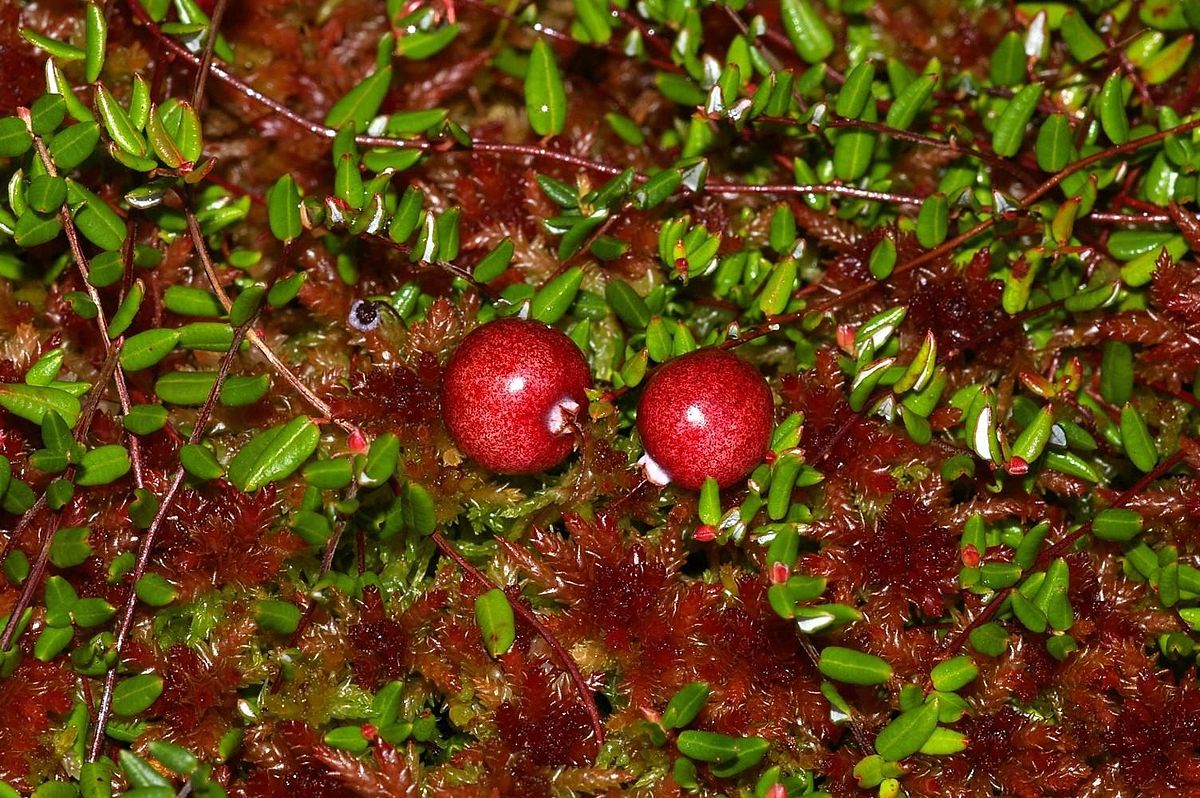
Small cranberry
(Vaccinium oxycoccos)
Also Known As
Small cranberry, Cranberry, Bog cranberry, Northern cranberry
About This Plant
Vaccinium oxycoccos is a species of flowering plant in the heath family Ericaceae. It is a low-growing, mat-forming evergreen shrub that typically grows to 10-15 cm in height. The plant produces small, pink flowers in the summer, followed by small, red berries in the fall. It is commonly known as small cranberry or bog cranberry.
Plant Care Instructions
Outdoor Size Range
4-6 inches (10-15 cm)
Light Requirements
Small cranberry plants prefer full sun to partial shade, but can tolerate some shade.
Humidity Needs
Small cranberry plants prefer moderate to high humidity levels.
Fertilizing Schedule
Small cranberry plants do not require fertilizer, but can benefit from a light application of a balanced fertilizer in the spring.
Pruning Guidelines
Small cranberry plants do not require pruning, but can be trimmed to control their size or shape.
Common Pests and Diseases
Common pests and diseases for small cranberry plants include spider mites, scale insects, and fungal diseases like leaf spot and fruit rot.
Indoor Size Range
N/A
Watering Schedule
Small cranberry plants require consistently moist soil, but not waterlogged. Water regularly, especially during dry periods.
Temperature Range
Small cranberry plants prefer cool temperatures, ideally between 60-70°F (15-21°C). They can tolerate temperatures as low as 40°F (4°C).
Growing Season
Small cranberry plants grow best in the fall and winter months.
Growing Difficulty Level
Small cranberry plants are moderately difficult to grow, as they require specific soil and environmental conditions.
USDA Hardiness Zones
Small cranberry plants are hardy in USDA zones 2-6.
Did You Know?
Small cranberries were used by Native Americans for medicinal purposes, and were also used to make a red dye for clothing and blankets.
