Special Web Offer - Get 50% OFF!
Grab Your Deal Now
PlantSnap
Plant Care
Mountain huckleberry
(Vaccinium membranaceum)
Also Known As
Mountain huckleberry, Glossy blueberry, Thinleaf huckleberry, Mountain blueberry
About This Plant
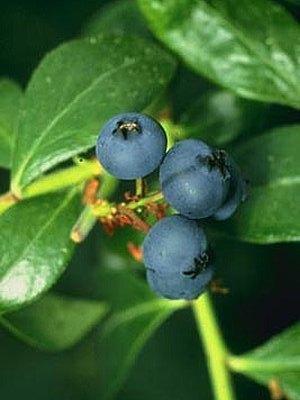
Vaccinium membranaceum, commonly known as black huckleberry, is a species of shrub in the heath family. It is native to North America and can grow up to 10 feet tall. The plant produces small, dark blue to black berries that are edible and commonly used for making jams and pies.
Plant Care Instructions
Outdoor Size Range
3-10 feet (0.9-3 meters)
Light Requirements
Black Huckleberry requires partial to full sun exposure for optimal growth. It is best to plant in areas that receive at least 6 hours of sunlight per day.
Humidity Needs
Black Huckleberry prefers moderate to high humidity levels. It is best to keep the soil consistently moist and provide regular misting to maintain proper humidity levels.
Fertilizing Schedule
The plant does not require regular fertilization, but it can benefit from a balanced fertilizer once or twice a year in early spring or late fall.
Pruning Guidelines
Prune the plant in late winter or early spring to remove any dead or damaged branches. It is also recommended to prune the plant after fruiting to encourage new growth.
Common Pests and Diseases
Common pests that affect Black Huckleberry include spider mites, aphids, and scale insects. The plant is also susceptible to fungal diseases such as powdery mildew and leaf spot.
Indoor Size Range
Not suitable for indoor growing.
Watering Schedule
The plant prefers moist but well-draining soil. Water the plant regularly, especially during the growing season, but avoid overwatering as it can lead to root rot.
Temperature Range
The plant is cold-hardy and can tolerate temperatures as low as -40°F (-40°C). It prefers cool to moderate temperatures and is well-suited for growing in USDA hardiness zones 3-7.
Growing Season
Black Huckleberry typically blooms in late spring to early summer and produces fruit in late summer to early fall.
Growing Difficulty Level
Black Huckleberry is relatively easy to grow and maintain, making it a great choice for novice gardeners.
USDA Hardiness Zones
USDA hardiness zones 3-7
Did You Know?
Black Huckleberry is an important food source for many wildlife species, including bears, birds, and small mammals.