Special Web Offer - Get 50% OFF!
Grab Your Deal Now
PlantSnap
Plant Care
Slippery elm
(Ulmus rubra)
Also Known As
Slippery elm, Red elm, Gray elm
About This Plant
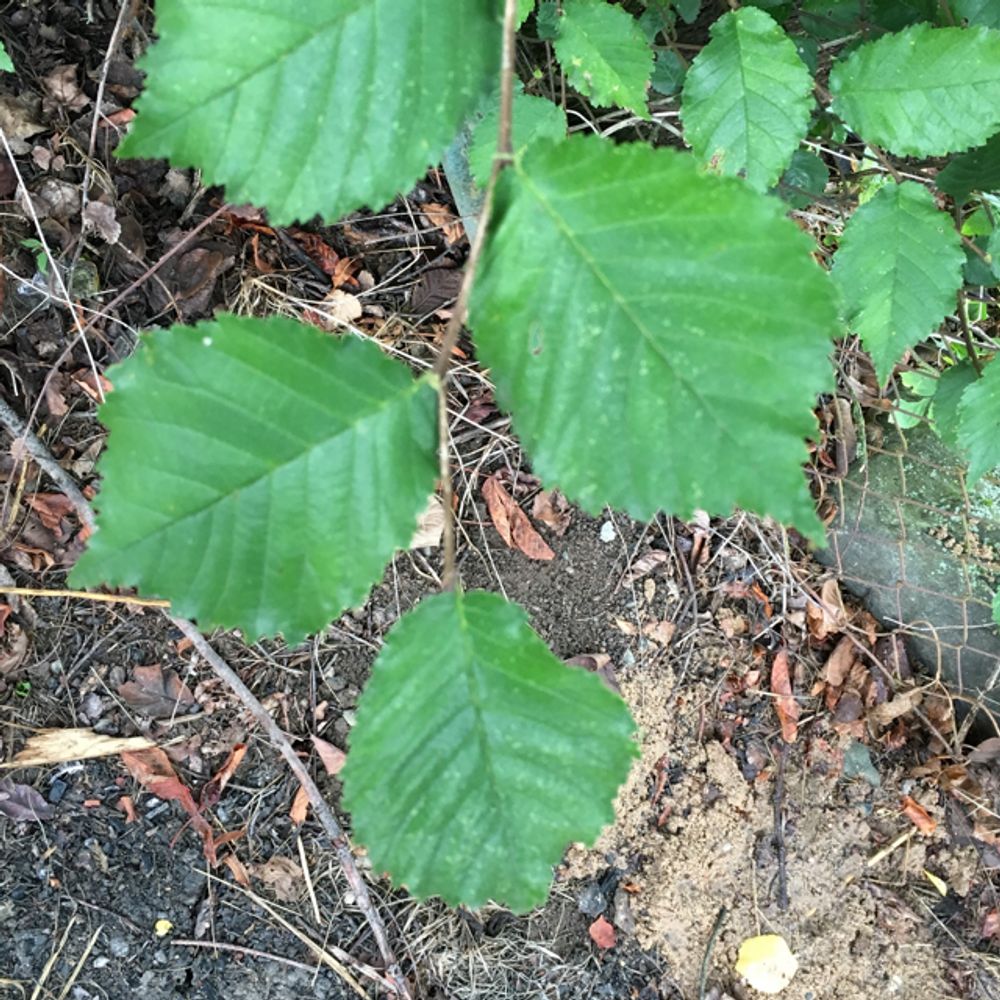
Ulmus rubra is a deciduous tree that can grow up to 100 feet (30.5 meters) tall. It has a broad, rounded crown and a straight trunk. The leaves are dark green and have a rough texture on top and a hairy texture on the bottom. The bark is reddish-brown and has deep furrows and ridges.
Plant Care Instructions
Outdoor Size Range
50-100 feet (15.2-30.5 meters)
Light Requirements
Ulmus rubra prefers full sun to partial shade.
Humidity Needs
It prefers average humidity levels.
Fertilizing Schedule
It does not require much fertilizer, but a balanced fertilizer can be applied in the spring.
Pruning Guidelines
Pruning should be done in the winter or early spring, before the leaves emerge. It is important to remove any dead or diseased branches.
Common Pests and Diseases
Common pests include Japanese beetles, elm leaf beetles, and aphids. Dutch elm disease is also a major threat to this species.
Indoor Size Range
Not suitable for indoor growth
Watering Schedule
It requires moderate watering, with the soil kept moist but not waterlogged.
Temperature Range
It can tolerate a range of temperatures, from -40 to 100 degrees Fahrenheit (-40 to 37.8 degrees Celsius).
Growing Season
The growing season for Ulmus rubra is from late spring to early fall.
Growing Difficulty Level
Ulmus rubra is moderately difficult to grow, as it is susceptible to Dutch elm disease and other pests.
USDA Hardiness Zones
It is hardy in USDA zones 3-9.
Did You Know?
Slippery Elm bark was used by Native Americans to make a healing salve for wounds and burns. It is still used today in some herbal remedies.
