Special Web Offer - Get 50% OFF!
Grab Your Deal Now
PlantSnap
Plant Care
Ololiúqui
(Turbina corymbosa)
Also Known As
Ololiúqui, Ololiuhqui, Mexican morning glory, Rivea corymbosa
About This Plant
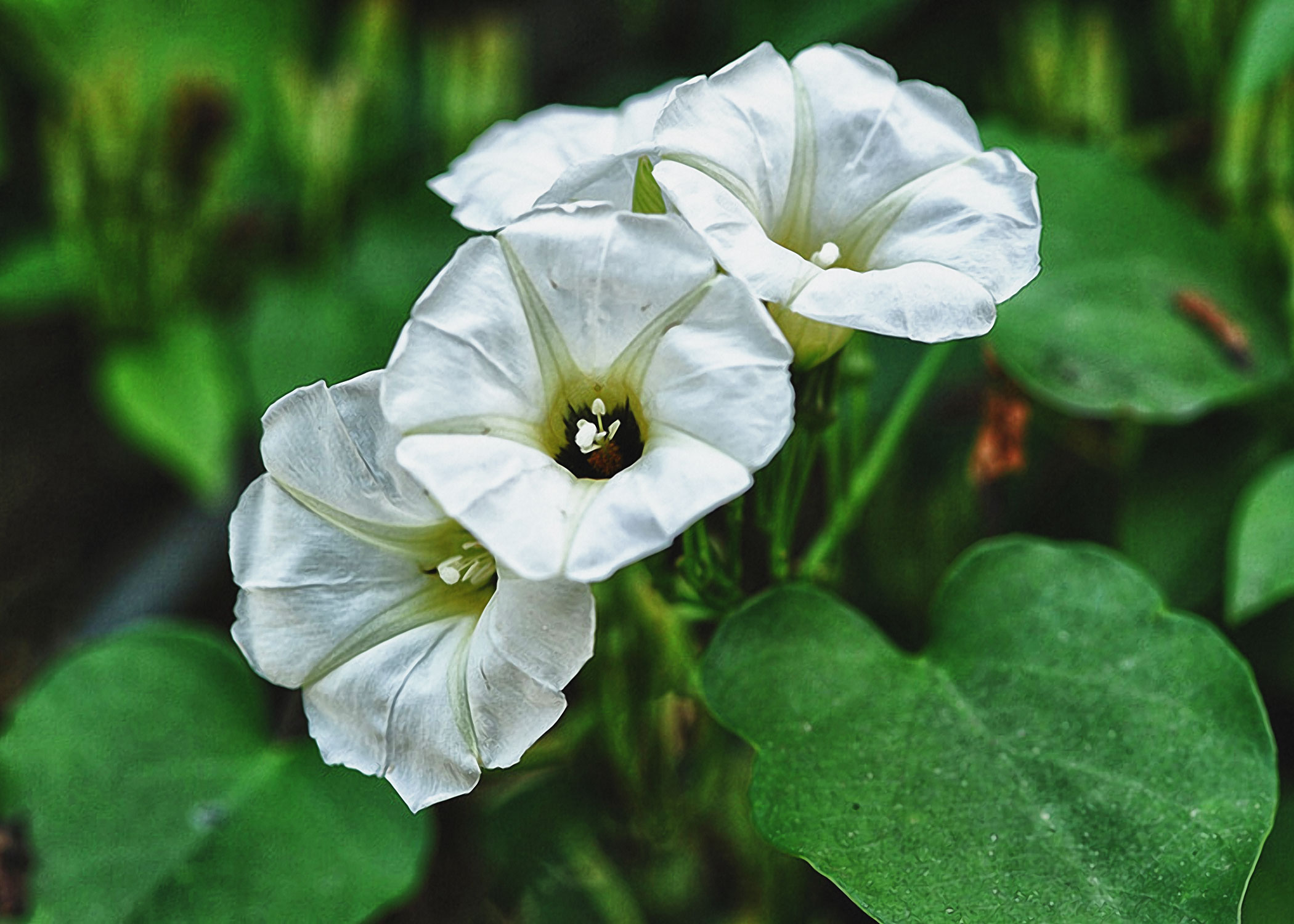
Turbina corymbosa is a perennial climbing vine that belongs to the morning glory family. It is known for its psychoactive properties and is commonly used in traditional medicine. The plant has large heart-shaped leaves and produces trumpet-shaped flowers that are usually blue or purple in color. The seeds of the plant contain the psychoactive compound lysergic acid amide (LSA), which is similar to LSD.
Plant Care Instructions
Outdoor Size Range
Height: 10-15 ft (3-4.6 m), Spread: 3-6 ft (0.9-1.8 m)
Light Requirements
Turbina corymbosa requires full sun to partial shade. It can tolerate some shade but will produce fewer flowers in low light conditions.
Humidity Needs
Turbina corymbosa prefers moderate to high humidity levels. It can tolerate dry air but will benefit from misting or a humidifier.
Fertilizing Schedule
Turbina corymbosa does not require much fertilizer. A balanced fertilizer can be applied once a month during the growing season.
Pruning Guidelines
The plant can be pruned to control its size and shape. Pruning should be done in the early spring before new growth appears.
Common Pests and Diseases
Turbina corymbosa is not known to have any serious pest or disease problems. However, it can be susceptible to spider mites and mealybugs.
Indoor Size Range
N/A
Watering Schedule
The plant prefers well-draining soil and should be watered regularly, especially during the growing season. However, it is important not to overwater the plant as it can lead to root rot.
Temperature Range
The plant prefers warm temperatures between 65-85°F (18-29°C). It can tolerate cooler temperatures but will not survive frost.
Growing Season
Turbina corymbosa can be grown year-round in warm climates. In cooler climates, it should be grown as an annual or brought indoors during the winter months.
Growing Difficulty Level
Turbina corymbosa is considered moderately difficult to grow. It requires specific growing conditions and can be sensitive to overwatering and cold temperatures.
USDA Hardiness Zones
Turbina corymbosa is not a cold-hardy plant and is only suitable for USDA hardiness zones 10-12.
Did You Know?
The seeds of Turbina corymbosa have been used for centuries by indigenous peoples in Mexico and Central America for their psychoactive properties. The seeds were often consumed in religious ceremonies and were believed to have spiritual and medicinal benefits.
