Special Web Offer - Get 50% OFF!
Grab Your Deal Now
PlantSnap
Plant Care
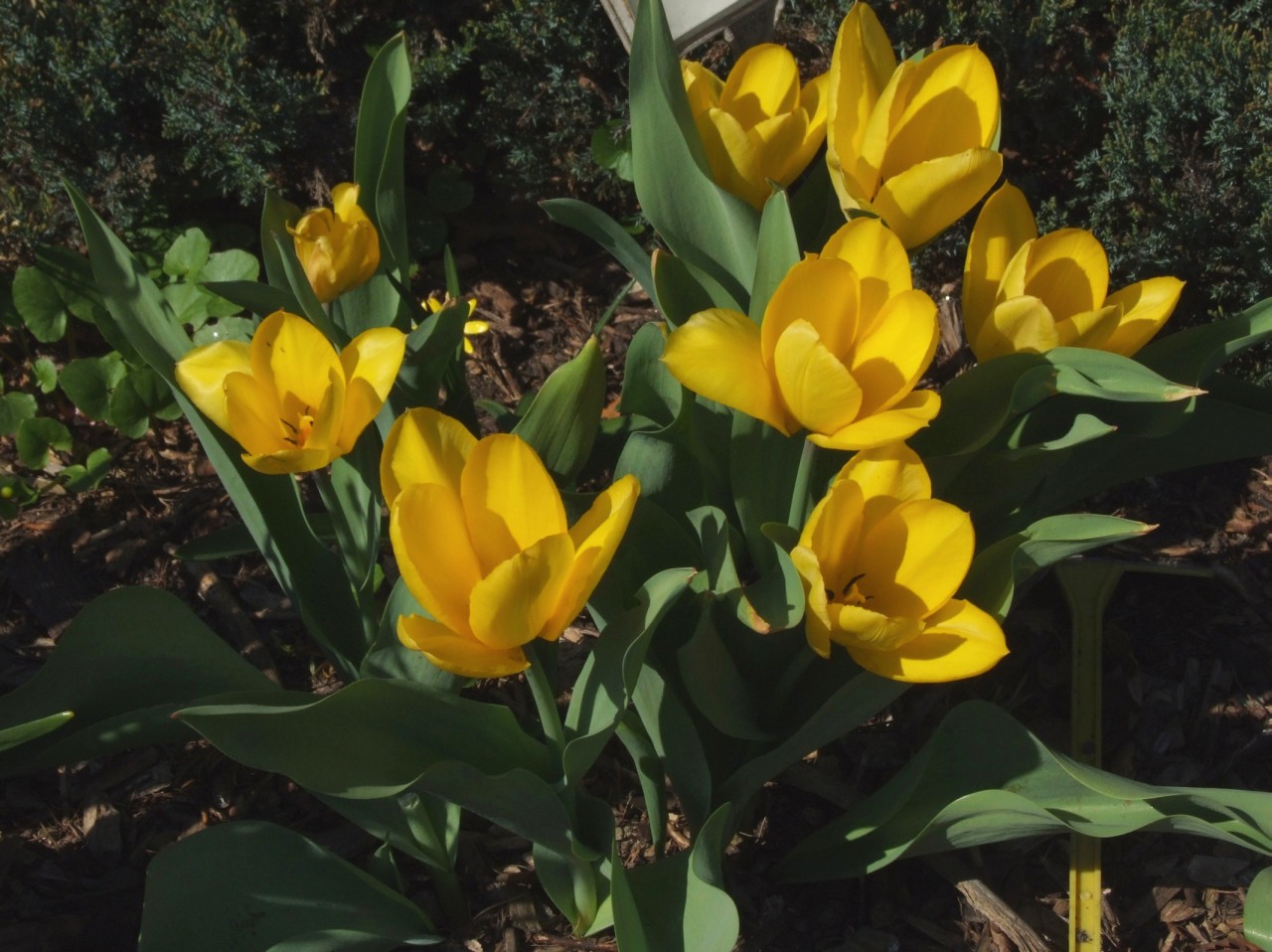
Foster's tulip
(Tulipa fosteriana)
Also Known As
Foster's tulip, Red emperor tulip
About This Plant
Tulipa fosteriana is a bulbous perennial plant species that belongs to the family Liliaceae. It is also known as Emperor tulip and is native to Central Asia. It has large, cup-shaped flowers that are usually red, orange or yellow in color and bloom in early to mid-spring. The leaves are long, narrow and gray-green in color.
Plant Care Instructions
Outdoor Size Range
16-24 inches (40-60 cm)
Light Requirements
Tulipa fosteriana requires full sun to partial shade. It needs at least 6 hours of direct sunlight per day.
Humidity Needs
It prefers low to moderate humidity levels.
Fertilizing Schedule
It needs to be fertilized with a balanced fertilizer once a month during the growing season.
Pruning Guidelines
The leaves should be left to die back naturally after flowering. Deadheading the flowers can encourage more blooms the following year.
Common Pests and Diseases
Common pests and diseases for Tulipa fosteriana include aphids, slugs, snails, and Botrytis blight.
Indoor Size Range
10-20 inches (25-50 cm)
Watering Schedule
It needs moderate watering during the growing season. The soil should be kept moist but not waterlogged. During the dormant season, it needs less water.
Temperature Range
It prefers cool temperatures and can tolerate frost. The ideal temperature range is 50-60°F (10-15°C) during the day and 40-50°F (5-10°C) at night.
Growing Season
The growing season for Tulipa fosteriana is from early to mid-spring.
Growing Difficulty Level
Tulipa fosteriana is moderately difficult to grow. It requires well-draining soil and proper watering and fertilization. It is also susceptible to pests and diseases.
USDA Hardiness Zones
Tulipa fosteriana can grow in USDA hardiness zones 3-8.
Did You Know?
Tulipa fosteriana is named after Michael Foster, a British botanist and plant collector who introduced the plant to England in the late 1800s.
