Special Web Offer - Get 50% OFF!
Grab Your Deal Now
PlantSnap
Plant Care
Western hemlock
(Tsuga heterophylla)
Also Known As
Western hemlock, Sitka spruce, Hemlock spruce
About This Plant
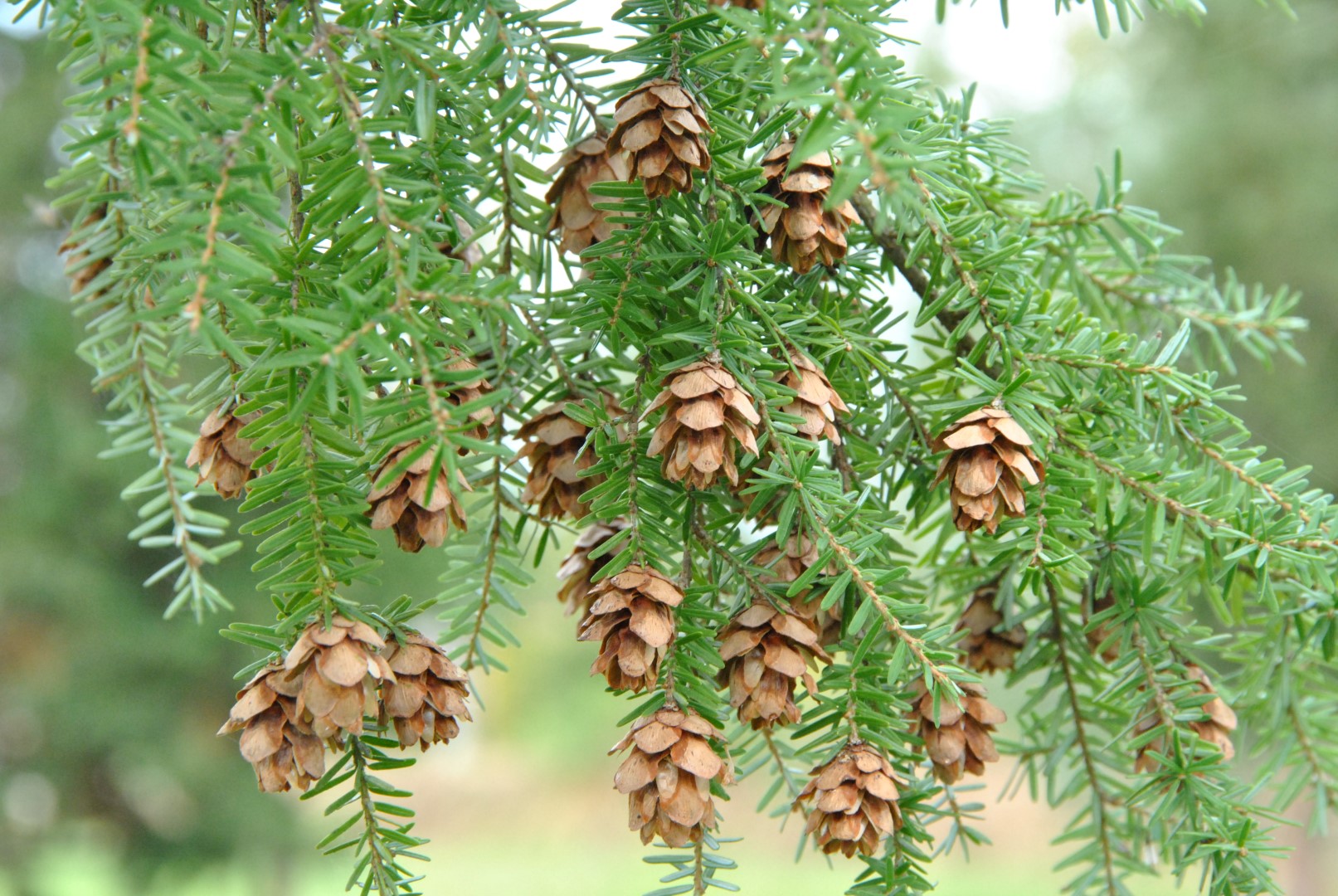
Tsuga heterophylla, commonly known as Western hemlock, is a large evergreen coniferous tree that can grow up to 70 m (230 ft) tall and 4 m (13 ft) in diameter. It has a narrow, conical crown and a drooping top. The bark is brown to reddish-brown, thick, and furrowed. The needles are short (0.8-2.0 cm or 0.3-0.8 in), flat, and have two white stripes on the underside.
Plant Care Instructions
Outdoor Size Range
Height: 40-70 m (130-230 ft), Diameter: up to 4 m (13 ft)
Light Requirements
Western hemlock prefers partial shade to full sun. It can tolerate shade but will grow slowly.
Humidity Needs
It prefers high humidity but can tolerate dry air. Mist the foliage regularly with water to increase humidity.
Fertilizing Schedule
Fertilize Western hemlock in the spring with a slow-release fertilizer formulated for acid-loving plants.
Pruning Guidelines
Prune Western hemlock in late winter or early spring to remove dead, diseased, or damaged branches. It does not require heavy pruning.
Common Pests and Diseases
Common pests of Western hemlock include hemlock woolly adelgid, spider mites, and sawflies. Diseases include root rot and canker.
Indoor Size Range
Not suitable for indoor cultivation
Watering Schedule
It prefers moist soil but can tolerate occasional drought. Water it deeply once a week during the growing season and reduce watering in the winter.
Temperature Range
It prefers cool to moderate temperatures and can tolerate frost. The optimal temperature range is 10-18°C (50-64°F).
Growing Season
The growing season for Western hemlock is from late spring to early fall.
Growing Difficulty Level
Western hemlock is moderately difficult to grow. It requires specific growing conditions and can be susceptible to pests and diseases.
USDA Hardiness Zones
USDA hardiness zones 6 to 8.
Did You Know?
Western hemlock is the state tree of Washington.