Special Web Offer - Get 50% OFF!
Grab Your Deal Now
PlantSnap
Plant Care
Brazilian needle palm
(Trithrinax brasiliensis)
Also Known As
Brazilian needle palm, Brazilian thatch palm, Trithrinax palm
About This Plant
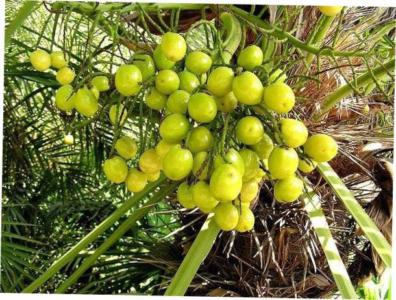
Trithrinax brasiliensis is a palm tree species native to Brazil, Uruguay and Argentina. It is a solitary, slow-growing palm that can reach up to 10-20 feet (3-6 meters) in height and 6-10 feet (2-3 meters) in width. The trunk is covered with a dense, brown fiber and has sharp, black thorns that can grow up to 6 inches (15 cm) long. The leaves are blue-green, fan-shaped, and can grow up to 6 feet (2 meters) in length.
Plant Care Instructions
Outdoor Size Range
10-20 feet (3-6 meters) in height and 6-10 feet (2-3 meters) in width
Light Requirements
Trithrinax brasiliensis prefers full sun to partial shade. It can tolerate some shade but will grow slower and have a less dense crown.
Humidity Needs
Trithrinax brasiliensis prefers moderate to high humidity levels. It can tolerate dry air but will look better and grow faster with higher humidity.
Fertilizing Schedule
Fertilize Trithrinax brasiliensis once a year in the spring with a slow-release fertilizer. Use a fertilizer that is specifically formulated for palm trees and follow the instructions on the package.
Pruning Guidelines
Prune dead or damaged fronds as needed. Do not prune healthy fronds as this can damage the tree and make it more susceptible to pests and diseases.
Common Pests and Diseases
Common pests for Trithrinax brasiliensis include spider mites, mealybugs, and scale insects. Diseases are rare but can include fungal infections and root rot.
Indoor Size Range
Not suitable for indoor growth
Watering Schedule
This palm tree is drought-tolerant and can go for long periods without water. However, it will grow faster and look healthier with regular watering. Water deeply once a week during the growing season and reduce watering during the winter months.
Temperature Range
This palm tree can tolerate a wide range of temperatures, from 20°F (-6°C) to 100°F (38°C). However, it prefers temperatures between 60°F (15°C) and 80°F (27°C).
Growing Season
The growing season for Trithrinax brasiliensis is from late spring to early fall.
Growing Difficulty Level
Trithrinax brasiliensis is a relatively easy plant to grow, as long as it is given the proper growing conditions. It is drought-tolerant, disease-resistant, and can tolerate a wide range of temperatures.
USDA Hardiness Zones
Trithrinax brasiliensis is hardy in USDA zones 8b to 11.
Did You Know?
The leaves of Trithrinax brasiliensis are used by indigenous people in South America to make baskets, hats, and other woven items.