Special Web Offer - Get 50% OFF!
Grab Your Deal Now
PlantSnap
Plant Care
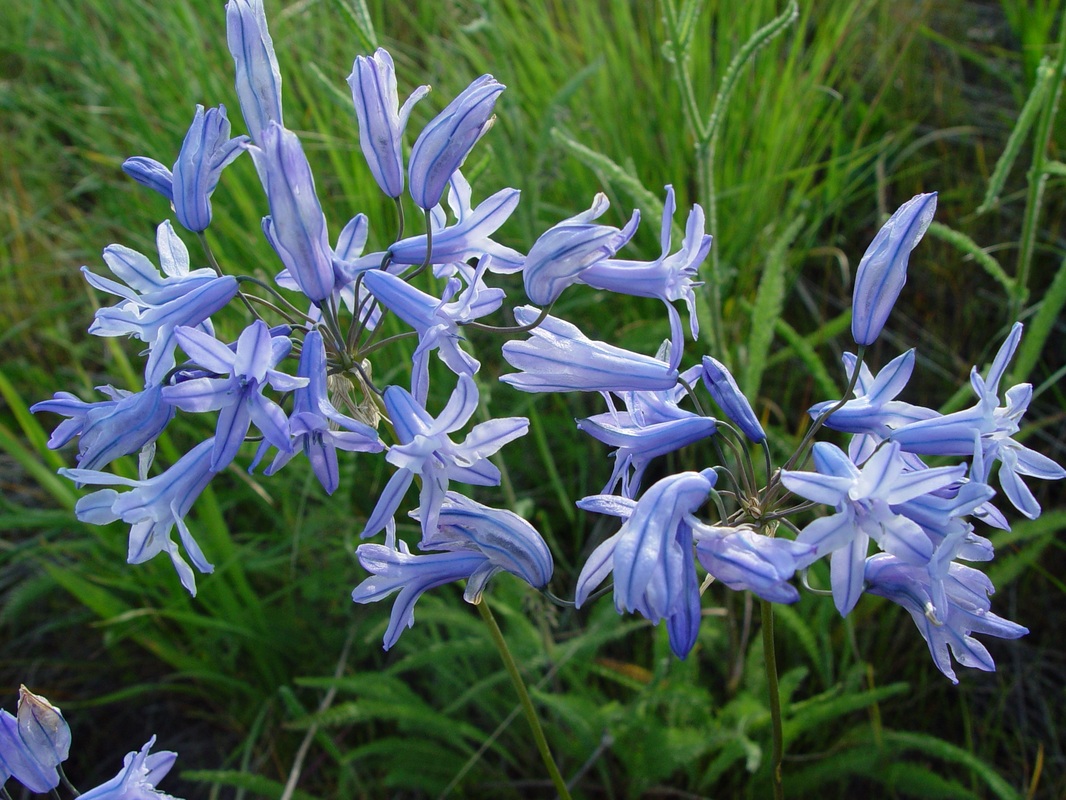
Largeflower triteleia
(Triteleia grandiflora)
Also Known As
Largeflower triteleia, Giant bluebell, Touring star, Wild hyacinth
About This Plant
Triteleia grandiflora is a bulbous perennial plant species native to western North America. It belongs to the family of Asparagaceae and is commonly known as 'Largeflower triteleia'. The plant produces tall stems with clusters of star-shaped flowers in shades of blue and purple.
Plant Care Instructions
Outdoor Size Range
12-24 inches (30-60 cm) tall and 6-12 inches (15-30 cm) wide
Light Requirements
Triteleia grandiflora prefers full sun to partial shade. It can tolerate some shade but blooms best in full sun.
Humidity Needs
Triteleia grandiflora prefers moderate humidity levels and can tolerate some dryness.
Fertilizing Schedule
The plant does not require much fertilizer. A light application of a balanced fertilizer in the spring can help promote growth and blooming.
Pruning Guidelines
The plant does not require much pruning. Deadheading spent flowers can help promote additional blooming.
Common Pests and Diseases
Triteleia grandiflora is relatively pest-free but can be susceptible to bulb rot if the soil is too wet.
Indoor Size Range
N/A
Watering Schedule
The plant requires moderate watering during the growing season and should be kept moist but not waterlogged. During the dormant season, it requires less water and should be allowed to dry out between watering.
Temperature Range
The plant prefers cool to moderate temperatures and can tolerate frost. It is hardy in USDA zones 5-9.
Growing Season
Late spring to early summer is the growing season for Triteleia grandiflora.
Growing Difficulty Level
Triteleia grandiflora is easy to grow and requires minimal care.
USDA Hardiness Zones
5-9
Did You Know?
The name Triteleia comes from the Greek words 'tri' meaning three and 'teleios' meaning complete, referring to the plant's three-part flowers.