Special Web Offer - Get 50% OFF!
Grab Your Deal Now
PlantSnap
Plant Care
White clover
(Trifolium repens repens)
Also Known As
White clover, Dutch clover, Wideleaf clover
About This Plant
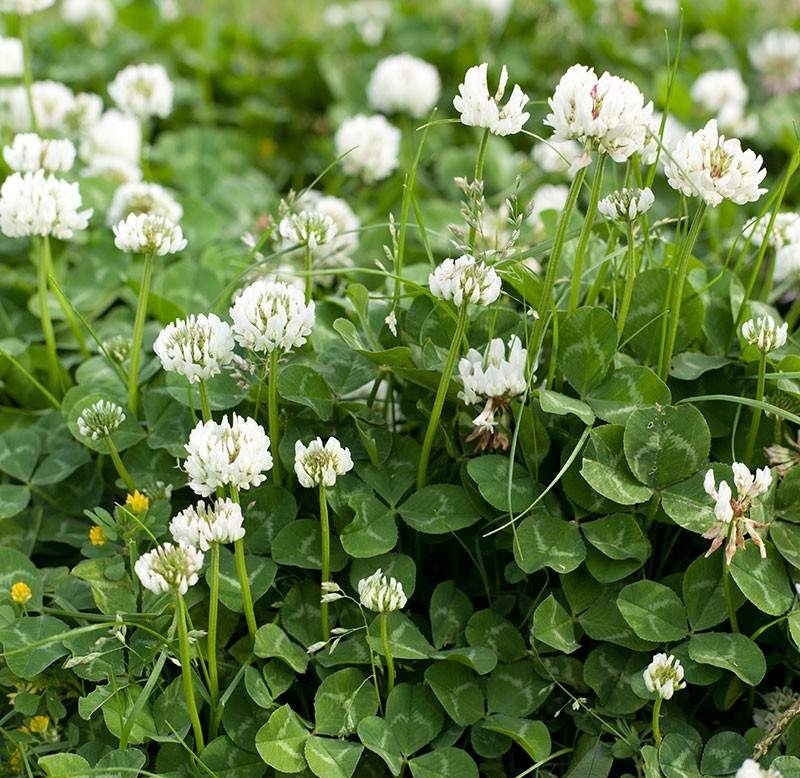
Trifolium repens repens is a herbaceous perennial plant that belongs to the family Fabaceae. It is commonly known as White Clover or Dutch Clover. The plant has trifoliate leaves and white or pink flowers which are arranged in spherical clusters. It is a low-growing plant that spreads by stolons and can form a dense mat of foliage.
Plant Care Instructions
Outdoor Size Range
2-8 inches (5-20 cm)
Light Requirements
White Clover prefers full sun to partial shade, but it can tolerate some shade. It is a good choice for areas that receive 4-6 hours of direct sunlight per day.
Humidity Needs
White Clover does not have any specific humidity requirements.
Fertilizing Schedule
White Clover does not require fertilizer, but it can benefit from a light application of a balanced fertilizer in early spring.
Pruning Guidelines
White Clover does not require pruning, but it can benefit from mowing or trimming to control its growth and prevent it from becoming too invasive.
Common Pests and Diseases
White Clover is not usually affected by serious pests or diseases, but it can be susceptible to leaf spot, powdery mildew, and root rot.
Indoor Size Range
N/A
Watering Schedule
White Clover has average water needs and can tolerate some drought. It prefers well-drained soil and does not like to be waterlogged.
Temperature Range
White Clover can tolerate a wide range of temperatures, from -40°F (-40°C) to 100°F (38°C). It is hardy in USDA zones 3-10.
Growing Season
White Clover grows best in the spring and fall, but it can also grow in the summer if it receives enough water. It goes dormant in the winter.
Growing Difficulty Level
White Clover is easy to grow and is a good choice for beginners. It is a hardy plant that can tolerate a wide range of growing conditions.
USDA Hardiness Zones
3-10
Did You Know?
White Clover is an important forage crop for livestock, as it is high in protein and nutrients. It is also the national flower of Denmark.
