Special Web Offer - Get 50% OFF!
Grab Your Deal Now
PlantSnap
Plant Care
Coatbuttons
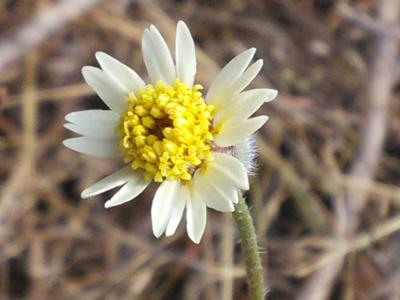
(Tridax procumbens)
Also Known As
Coatbuttons, coatbuttons, tridax daisy, wild daisy, mexican daisy
About This Plant
Tridax procumbens is a species of flowering plant in the daisy family. It is a small, herbaceous plant that grows up to 30 cm tall. The leaves are green, hairy, and have serrated edges. The flowers are yellow and daisy-like, with a black center. The plant produces achenes, which are small, dry, one-seeded fruits.
Plant Care Instructions
Outdoor Size Range
Height: 12-30 inches (30-75 cm), Spread: 12-24 inches (30-60 cm)
Light Requirements
Tridax procumbens prefers full sun to partial shade, and can tolerate a wide range of light conditions.
Humidity Needs
Tridax procumbens prefers average humidity levels, but can tolerate low humidity.
Fertilizing Schedule
Tridax procumbens does not require frequent fertilization, but can benefit from a balanced fertilizer once a month during the growing season.
Pruning Guidelines
This plant species does not require pruning, but can be trimmed back to promote bushier growth.
Common Pests and Diseases
Tridax procumbens is relatively pest-resistant, but can be susceptible to aphids and spider mites.
Indoor Size Range
Not suitable for indoor cultivation.
Watering Schedule
This plant species prefers well-draining soil and moderate watering. It can tolerate short periods of drought, but overwatering can lead to root rot.
Temperature Range
This plant species can tolerate a wide range of temperatures, from 50-100°F (10-38°C).
Growing Season
Tridax procumbens can be grown year-round in tropical regions, but is typically grown as an annual in temperate regions.
Growing Difficulty Level
Tridax procumbens is an easy plant to grow, and is suitable for beginners.
USDA Hardiness Zones
Tridax procumbens is not frost-tolerant, and is suitable for USDA hardiness zones 9-11.
Did You Know?
Tridax procumbens is considered a weed in many parts of the world, but is also used in traditional medicine to treat a variety of ailments, including fever, diarrhea, and snakebites.
