Special Web Offer - Get 50% OFF!
Grab Your Deal Now
PlantSnap
Plant Care
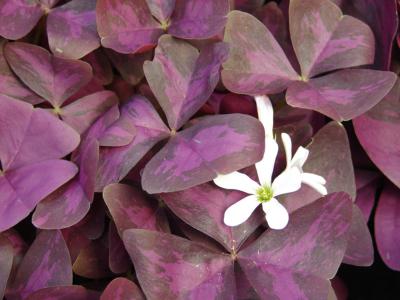
Purple shamrock
(Triangularis papilionacea)
Also Known As
Purple shamrock, Butterfly pea, Blue pea, Asian pigeonwings
About This Plant
Triangularis papilionacea is a species of flowering plant in the family Gesneriaceae, native to Brazil. It is a trailing or climbing plant with triangular leaves and showy pink or purple flowers.
Plant Care Instructions
Outdoor Size Range
12-18 inches (30-45 cm) in height, and 8-12 inches (20-30 cm) in width
Light Requirements
The Butterfly Plant requires bright indirect light for optimal growth. Direct sunlight can scorch its leaves.
Humidity Needs
The Butterfly Plant prefers high humidity levels between 60-80%. Misting the plant regularly or placing a humidifier nearby can help maintain the required humidity levels.
Fertilizing Schedule
Feed the plant with a balanced liquid fertilizer every two weeks during the growing season (spring and summer). Reduce the frequency to once a month during the dormant season (fall and winter).
Pruning Guidelines
Prune the plant regularly to maintain its shape and promote bushier growth. Pinch off the tips of the stems to encourage branching. Remove any yellow or dead leaves.
Common Pests and Diseases
The Butterfly Plant is susceptible to mealybugs, spider mites, and aphids. Inspect the plant regularly and treat any infestations promptly with insecticidal soap or neem oil.
Indoor Size Range
6-12 inches (15-30 cm) in height, and 6-8 inches (15-20 cm) in width
Watering Schedule
Water the plant when the top inch of soil feels dry to the touch. Avoid overwatering as it can lead to root rot.
Temperature Range
The ideal temperature range for the Butterfly Plant is between 60-75°F (15-24°C). Avoid exposing the plant to temperatures below 50°F (10°C) or above 85°F (29°C).
Growing Season
The Butterfly Plant grows actively during the spring and summer months. It enters a dormant phase during the fall and winter.
Growing Difficulty Level
The Butterfly Plant is moderately easy to grow, making it a great choice for beginners.
USDA Hardiness Zones
The Butterfly Plant is not frost-tolerant and is best grown in USDA hardiness zones 10-12.
Did You Know?
The Butterfly Plant gets its name from the shape of its flowers, which resemble butterflies in flight.
