Special Web Offer - Get 50% OFF!
Grab Your Deal Now
PlantSnap
Plant Care
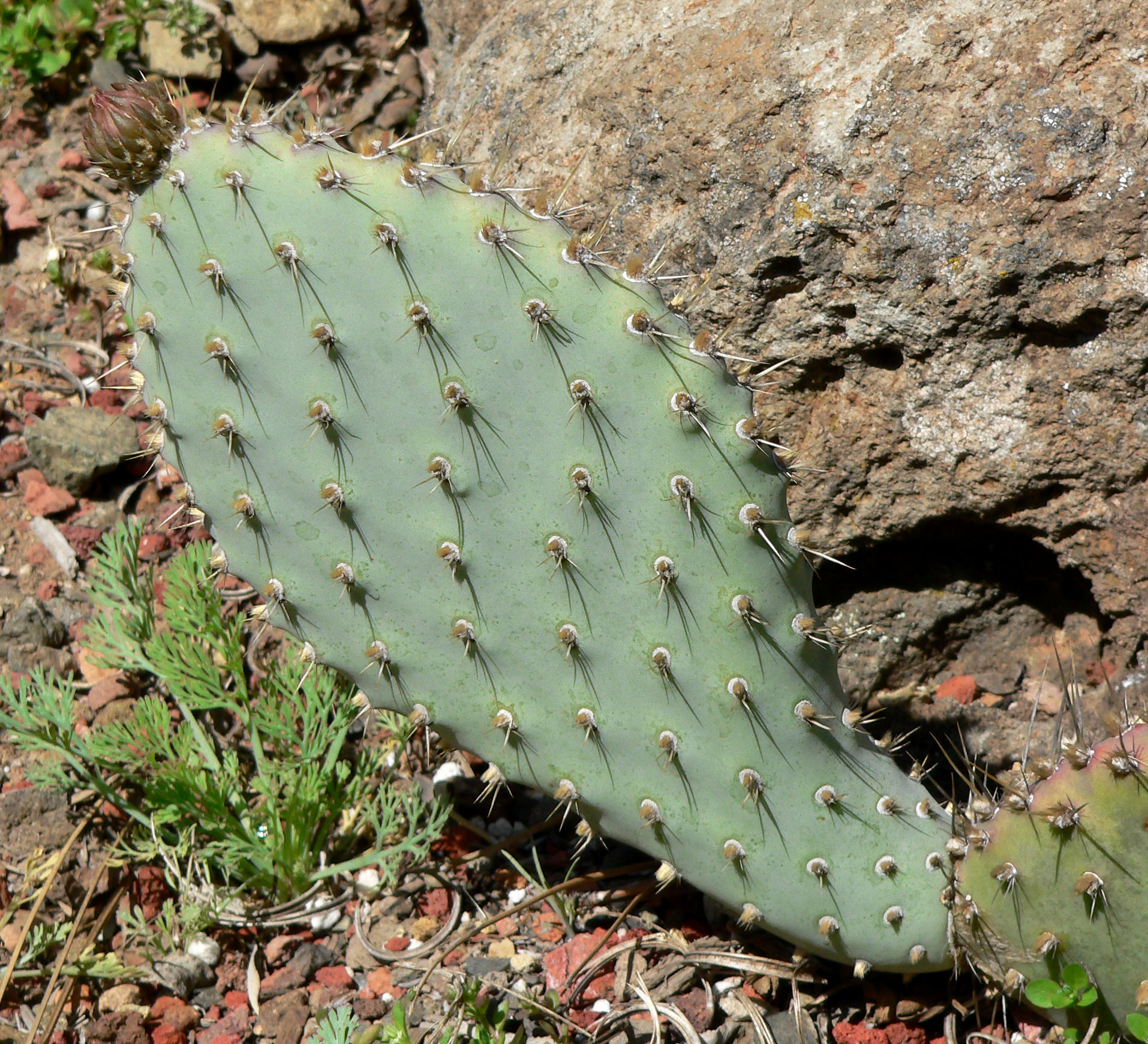
Trelease's beavertail cactus
(Opuntia basilaris var. treleasei)
Also Known As
Trelease's beavertail cactus, Trelease's prickly pear, Trelease's cactus, Lowland prickly pear
About This Plant
Opuntia basilaris var. treleasei is a species of cactus that is native to California, United States. It is a small, low-growing cactus with cylindrical, flattened, or spherical stems that are blue-grey or green in color. The stems are covered in small, barbed spines and have showy yellow flowers that bloom in the spring.
Plant Care Instructions
Outdoor Size Range
6-12 inches (15-30 cm) tall and 12-18 inches (30-45 cm) wide
Light Requirements
Opuntia basilaris var. treleasei prefers full sun to partial shade. It requires at least 6 hours of sunlight per day, but can tolerate some shade.
Humidity Needs
Opuntia basilaris var. treleasei prefers low humidity and can tolerate dry air.
Fertilizing Schedule
This cactus does not require fertilizer, but can benefit from a balanced, low-nitrogen fertilizer once a year in the spring.
Pruning Guidelines
Opuntia basilaris var. treleasei does not require pruning, but can be pruned to control its size or shape. Use gloves to protect your hands from the spines and use sharp, clean pruning shears to make cuts.
Common Pests and Diseases
Common pests for Opuntia basilaris var. treleasei include mealybugs, spider mites, and scale insects. These can be treated with insecticidal soap or neem oil.
Indoor Size Range
N/A
Watering Schedule
This cactus is drought-tolerant and requires infrequent watering. Water deeply once every 2-3 weeks during the growing season (spring and summer) and reduce watering in the winter. Allow the soil to dry out completely between waterings.
Temperature Range
This cactus can tolerate a wide range of temperatures, from 20°F (-6°C) to 100°F (38°C). However, it prefers temperatures between 50°F (10°C) and 85°F (29°C).
Growing Season
Opuntia basilaris var. treleasei grows actively in the spring and summer, and goes dormant in the fall and winter.
Growing Difficulty Level
Opuntia basilaris var. treleasei is relatively easy to grow, as it is drought-tolerant and can tolerate a wide range of temperatures. However, it does require well-draining soil and can be damaged by frost.
USDA Hardiness Zones
Opuntia basilaris var. treleasei is hardy in USDA zones 8a to 10b.
Did You Know?
The pads of Opuntia basilaris var. treleasei can be eaten raw or cooked, and are sometimes used in salads or as a vegetable in Mexican cuisine.
