Special Web Offer - Get 50% OFF!
Grab Your Deal Now
PlantSnap
Plant Care
Windmill palm
(Trachycarpus fortunei)
Also Known As
Windmill palm, Chinese windmill palm, Chusan palm, Fortune palm
About This Plant
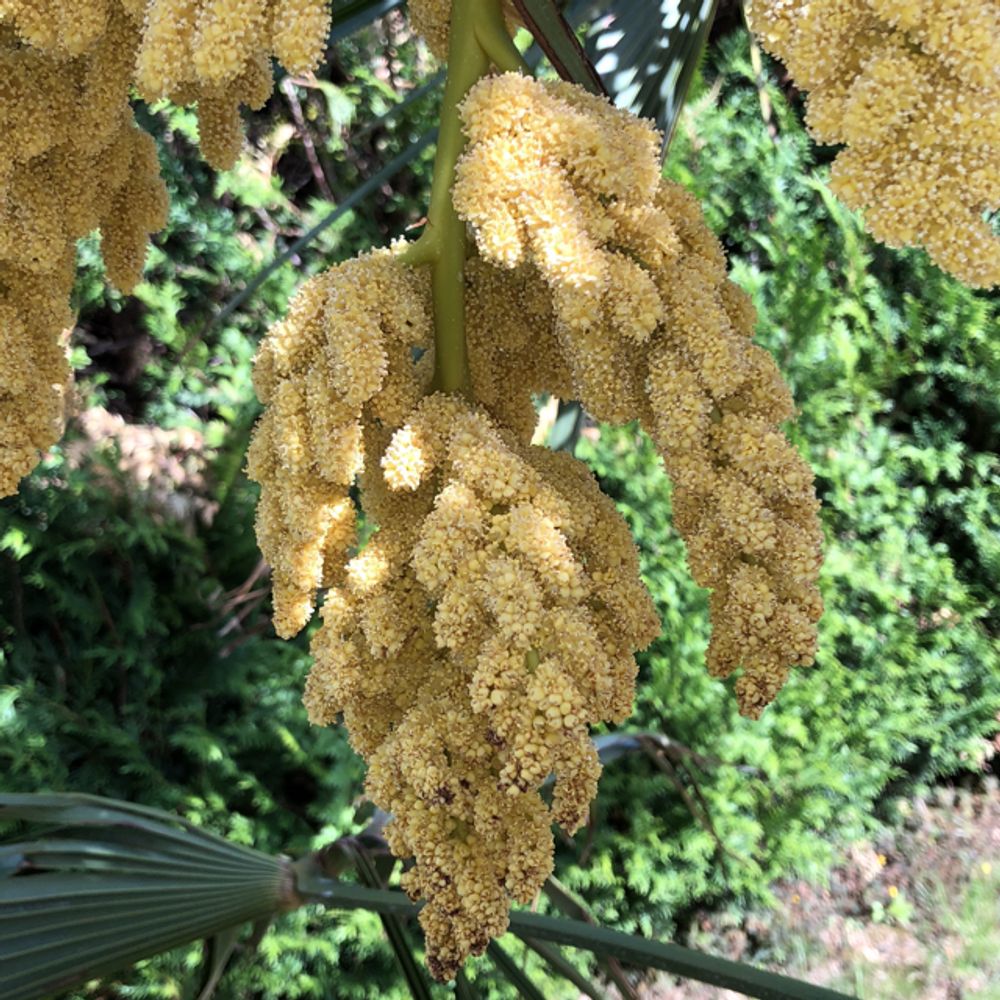
Trachycarpus fortunei is a species of hardy evergreen palm tree native to China, where it grows in mountainous areas at altitudes of 1000–2500 m (3280-8200 ft). It is a single-stemmed palm with a slender trunk that is covered in a brown fibrous layer. The leaves are fan-shaped and can grow up to 1.5 m (4.9 ft) in diameter. The plant produces small yellow flowers in the summer, which are followed by small black fruits.
Plant Care Instructions
Outdoor Size Range
20-40 feet (6-12 meters)
Light Requirements
Trachycarpus fortunei prefers bright, indirect light. It can tolerate some direct sunlight, but too much can scorch the leaves.
Humidity Needs
Trachycarpus fortunei prefers moderate to high humidity levels. You can increase humidity by misting the leaves regularly or placing a humidifier nearby.
Fertilizing Schedule
Fertilize your Trachycarpus fortunei once a month during the growing season (spring and summer) with a balanced fertilizer. Do not fertilize during the winter months.
Pruning Guidelines
Prune away any dead or yellowing leaves as needed. You can also remove old flower stalks and fruit stems.
Common Pests and Diseases
Common pests for Trachycarpus fortunei include spider mites, scale insects, and mealybugs. Diseases are not common, but root rot can occur if the plant is overwatered.
Indoor Size Range
6-10 feet (1.8-3 meters)
Watering Schedule
Water your Trachycarpus fortunei deeply and regularly, but allow the top inch of soil to dry out between waterings. Overwatering can lead to root rot, so be careful not to let the plant sit in standing water.
Temperature Range
Trachycarpus fortunei is hardy to USDA zones 7-11 and can tolerate temperatures down to 5°F (-15°C). It prefers cool to mild temperatures and can suffer in hot, dry conditions.
Growing Season
Trachycarpus fortunei grows best during the spring and summer months.
Growing Difficulty Level
Trachycarpus fortunei is a relatively easy plant to grow as long as its basic needs are met. It is hardy and can tolerate a range of conditions, but it does require regular watering and some humidity.
USDA Hardiness Zones
USDA hardiness zones 7-11
Did You Know?
Trachycarpus fortunei is one of the most cold-hardy palm species and is commonly grown in temperate climates around the world.
