Special Web Offer - Get 50% OFF!
Grab Your Deal Now
PlantSnap
Plant Care
Eastern poison ivy
(Toxicodendron radicans radicans)
Also Known As
Eastern poison ivy, Poison ivy
About This Plant
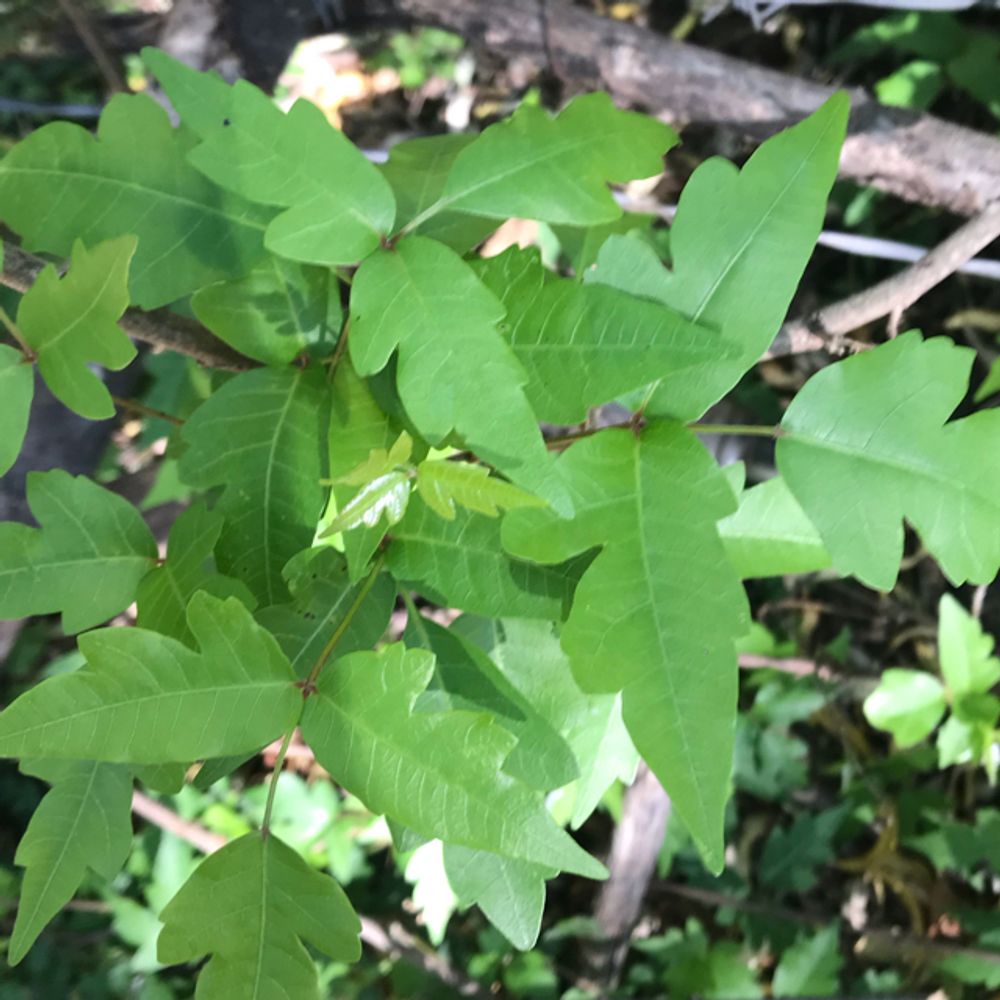
Toxicodendron radicans radicans is a poisonous plant species that causes allergic reactions in many people. It is a woody vine that can grow up to 100 feet (30 meters) long and attaches itself to trees or other structures. The leaves are trifoliate and turn bright red in the fall. The plant produces white berries that are toxic to humans and animals.
Plant Care Instructions
Outdoor Size Range
Up to 100 feet (30 meters)
Light Requirements
Poison Ivy prefers partial to full shade, but can also grow in full sun.
Humidity Needs
Poison Ivy prefers moderate to high humidity levels.
Fertilizing Schedule
Poison Ivy does not require fertilizer.
Pruning Guidelines
Poison Ivy should not be pruned unless absolutely necessary, as the sap can cause a rash.
Common Pests and Diseases
Poison Ivy is not usually affected by pests or diseases.
Indoor Size Range
N/A
Watering Schedule
Poison Ivy is drought-tolerant and does not require much watering once established.
Temperature Range
Poison Ivy can grow in a wide range of temperatures, from -50°F (-45°C) to 110°F (43°C).
Growing Season
Spring and summer
Growing Difficulty Level
Easy to grow, but not recommended due to its poisonous nature.
USDA Hardiness Zones
3-10
Did You Know?
Poison Ivy is not actually an ivy, but rather a member of the cashew family.