Special Web Offer - Get 50% OFF!
Grab Your Deal Now
PlantSnap
Plant Care
Spanish moss
(Tillandsia usneoides)
Also Known As
Spanish moss, Florida moss, Grey moss
About This Plant
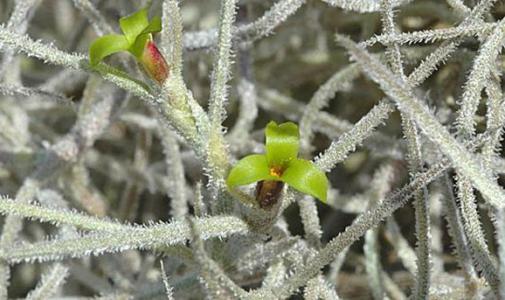
Tillandsia usneoides is an epiphytic plant species that belongs to the Bromeliaceae family. It is commonly known as Spanish moss due to its long, hanging, and grayish-green strands. The plant has no roots and absorbs moisture and nutrients from the air.
Plant Care Instructions
Outdoor Size Range
Up to 20 feet (6.1 meters) in length
Light Requirements
Tillandsia usneoides prefers bright, indirect light. It can tolerate some direct sunlight in the morning or evening, but too much direct sunlight can damage the plant.
Humidity Needs
Tillandsia usneoides requires high humidity levels, around 50-60%. It can benefit from being misted with water or placed near a humidifier.
Fertilizing Schedule
Tillandsia usneoides doesn't require fertilizer, but it can benefit from a monthly misting of a diluted bromeliad fertilizer during the growing season.
Pruning Guidelines
Spanish moss doesn't require pruning, but it can be trimmed to maintain its desired size and shape.
Common Pests and Diseases
Common pests for Tillandsia usneoides include spider mites, mealybugs, and scale insects. It can also be affected by fungal diseases if it is kept too damp.
Indoor Size Range
N/A (epiphytic plant)
Watering Schedule
Spanish moss needs to be misted or sprayed with water two to three times a week. It can also be soaked in water for 2-3 hours every two weeks. The plant should be allowed to dry completely between waterings.
Temperature Range
The ideal temperature range for Spanish moss is between 50-90°F (10-32°C). It can tolerate occasional temperature drops to 30°F (-1°C) but should be protected from frost.
Growing Season
Tillandsia usneoides can grow year-round in warm, humid climates. In cooler climates, it may go dormant during the winter months.
Growing Difficulty Level
Tillandsia usneoides is easy to grow and care for, making it a popular choice for beginners.
USDA Hardiness Zones
Tillandsia usneoides is hardy in USDA zones 8-11.
Did You Know?
Spanish moss is not actually a moss, nor is it from Spain. It is native to the southeastern United States, Mexico, Central America, and South America.