Special Web Offer - Get 50% OFF!
Grab Your Deal Now
PlantSnap
Plant Care
Mother-of-thyme
(Thymus praecox polytrichus)
Also Known As
Mother-of-thyme, Creeping thyme, Wild thyme, Breath of spring
About This Plant
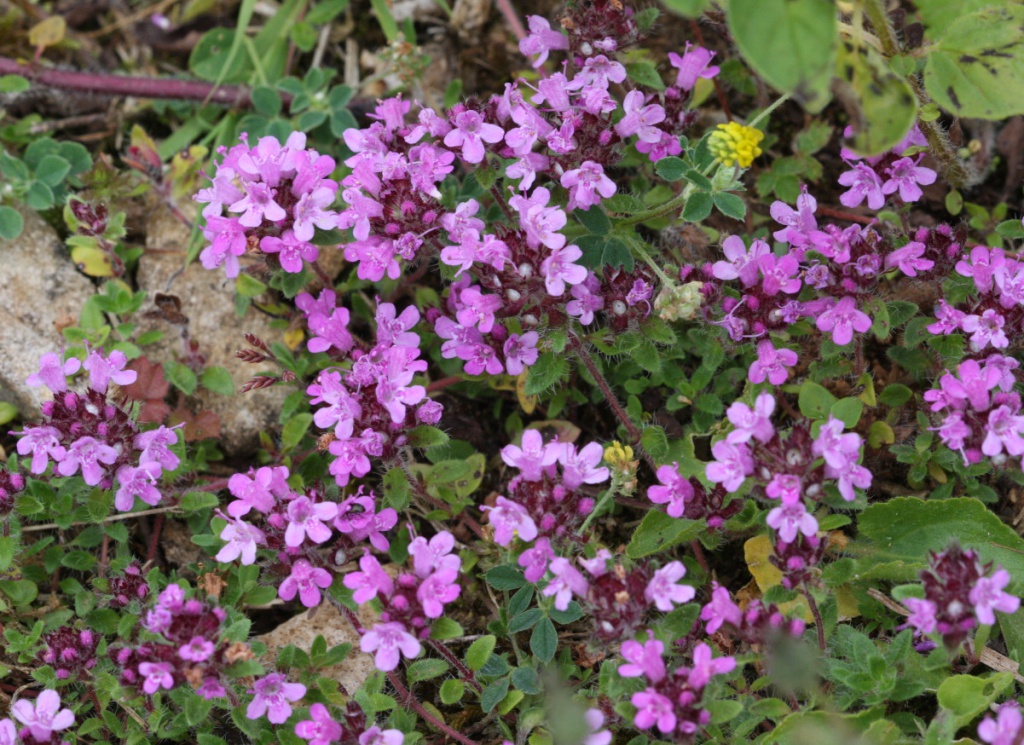
Thymus praecox polytrichus is a low-growing, evergreen subshrub that forms a dense mat of tiny, fragrant leaves. It produces small, pink to purple flowers in early summer. This plant is commonly used as a ground cover or for edging in rock gardens.
Plant Care Instructions
Outdoor Size Range
2-3 inches (5-8 cm)
Light Requirements
Woolly thyme requires full sun to grow well. It can tolerate partial shade, but too much shade will result in weaker growth and fewer blooms.
Humidity Needs
Woolly thyme is tolerant of a wide range of humidity levels and does not require any special humidity requirements.
Fertilizing Schedule
Woolly thyme does not require much fertilizer, but a light application of a balanced fertilizer in the spring can help promote growth and blooming.
Pruning Guidelines
This plant does not require much pruning, but can be trimmed back after blooming to encourage bushier growth and to remove any dead or damaged branches.
Common Pests and Diseases
Woolly thyme is relatively pest-free, but can be susceptible to root rot if overwatered.
Indoor Size Range
2-4 inches (5-10 cm)
Watering Schedule
This plant prefers well-drained soil and does not like to be overwatered. Water when the soil is dry to the touch, but do not allow the soil to become waterlogged.
Temperature Range
This plant is hardy in USDA zones 4-8 and can tolerate a wide range of temperatures. It prefers cooler temperatures and can become stressed in hot, dry conditions.
Growing Season
Woolly thyme is a perennial plant that grows best in the spring and summer months.
Growing Difficulty Level
Woolly thyme is relatively easy to grow and is a good choice for beginners. It is tolerant of a wide range of growing conditions and requires minimal maintenance.
USDA Hardiness Zones
4-8
Did You Know?
Woolly thyme is often used as a natural insect repellent and is planted around vegetable gardens to help keep pests away.