Special Web Offer - Get 50% OFF!
Grab Your Deal Now
PlantSnap
Plant Care
Black-eyed susan vine
(Thunbergia alata)
Also Known As
Black-eyed susan vine, Clock vine, African bluebell, Spanish flag
About This Plant
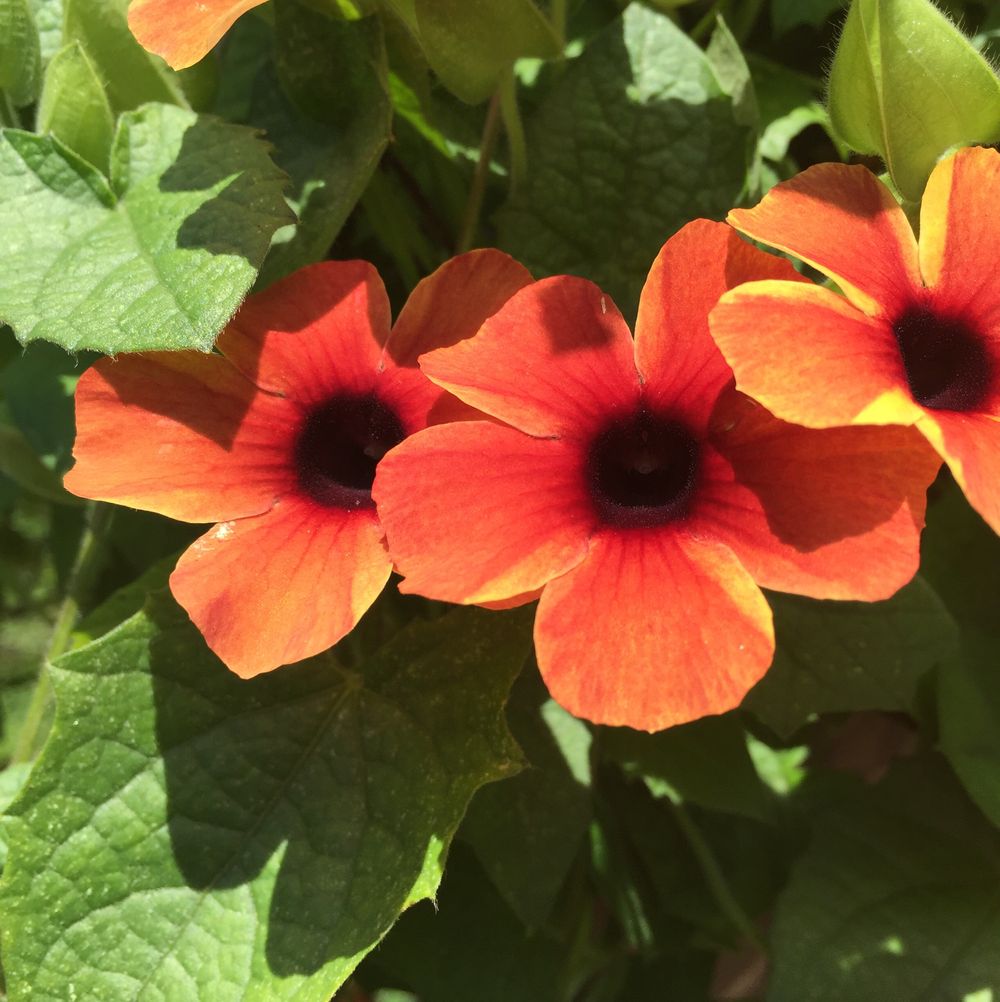
Thunbergia alata is a species of flowering plant in the family Acanthaceae, native to Africa. It is a vigorous, evergreen or semi-evergreen twining climber growing to 2–8 m (6.6–26.2 ft) tall. The leaves are heart-shaped, 4–10 cm (1.6–3.9 in) long and 3–8 cm (1.2–3.1 in) broad, with a velvety texture. The flowers are trumpet-shaped, bright orange-yellow, 3–5 cm (1.2–2.0 in) in diameter, with a blackish-purple throat. It is a popular garden plant, with several cultivars available.
Plant Care Instructions
Outdoor Size Range
6-12 feet (1.8-3.7 meters)
Light Requirements
Thunbergia alata requires full sun to light shade. They will grow best in bright light.
Humidity Needs
Thunbergia alata prefers moderate to high humidity levels. They will benefit from regular misting, especially in dry environments.
Fertilizing Schedule
Fertilize every two weeks during the growing season with a balanced fertilizer. Reduce fertilization during the winter months.
Pruning Guidelines
Prune regularly to keep the plant tidy and promote new growth. Pinch back the tips of the vines to encourage branching.
Common Pests and Diseases
Thunbergia alata is susceptible to spider mites, whiteflies, and aphids. Keep an eye out for these pests and treat as necessary.
Indoor Size Range
6-8 feet (1.8-2.4 meters)
Watering Schedule
Watering should be done regularly, but not overdone. Allow the top inch of soil to dry out before watering again.
Temperature Range
Thunbergia alata prefers warm temperatures ranging from 60-75°F (15.5-24°C). They can tolerate higher temperatures, but may require more frequent watering.
Growing Season
Thunbergia alata is a warm season plant that grows best during the summer months.
Growing Difficulty Level
Thunbergia alata is relatively easy to grow, making it a great choice for beginners.
USDA Hardiness Zones
Thunbergia alata is not frost tolerant and is best grown in USDA hardiness zones 9-11.
Did You Know?
The black-eyed Susan vine is named after the black center of its bright yellow flower, which resembles the popular garden flower, the black-eyed Susan.
