Special Web Offer - Get 50% OFF!
Grab Your Deal Now
PlantSnap
Plant Care
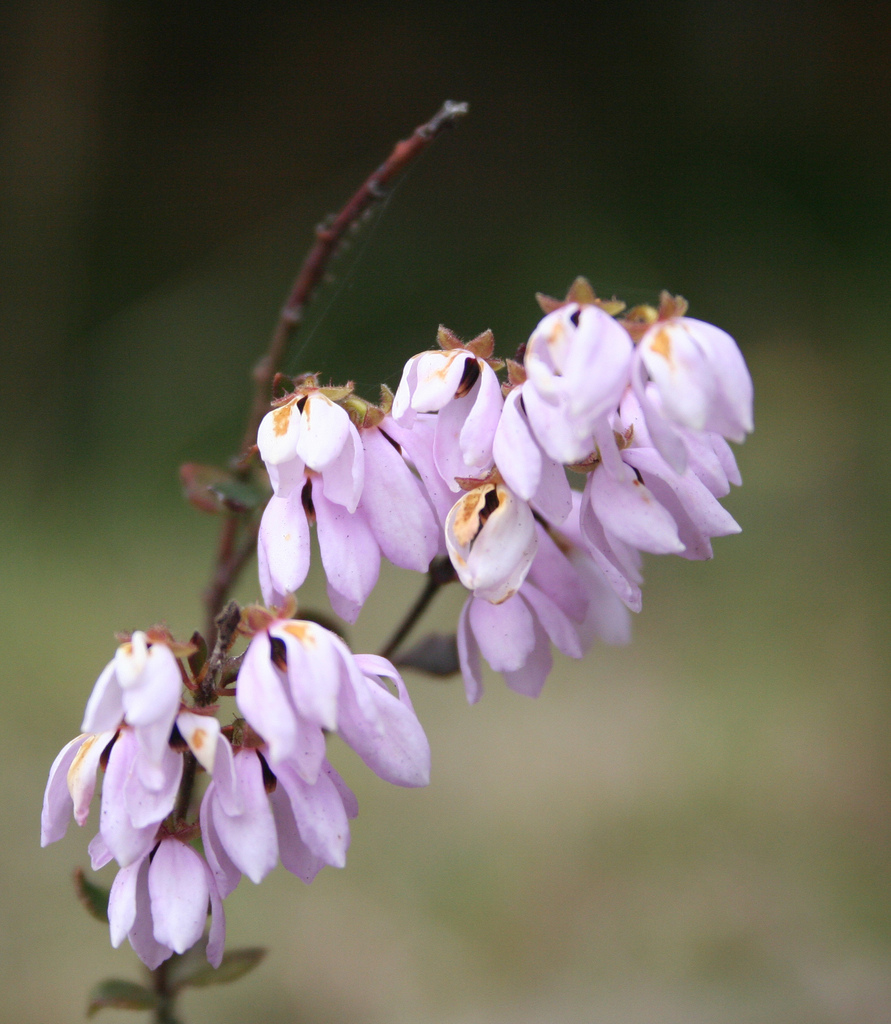
Black-eyed susan
(Tetratheca stenocarpa)
Also Known As
Black-eyed susan, Narrow-fruit tetratheca, Pale tetratheca
About This Plant
Tetratheca stenocarpa is a small shrub that belongs to the family Elaeocarpaceae. It is an endangered plant species that is native to Western Australia. The plant has small, narrow leaves and produces small, pink flowers that bloom in the spring.
Plant Care Instructions
Outdoor Size Range
18-24 inches (45-60 cm)
Light Requirements
Tetratheca stenocarpa prefers full sun to partial shade. It requires at least 6 hours of direct sunlight per day.
Humidity Needs
This plant does not require high humidity levels and can tolerate dry air.
Fertilizing Schedule
The plant does not require a lot of fertilizer. Use a balanced fertilizer once a month during the growing season.
Pruning Guidelines
Prune the plant after flowering to encourage bushy growth. Remove any dead or damaged branches.
Common Pests and Diseases
The plant is generally pest-free, but it can be susceptible to root rot if over-watered.
Indoor Size Range
12-18 inches (30-45 cm)
Watering Schedule
The plant prefers well-draining soil and should be watered regularly, but not over-watered. Allow the soil to dry out slightly between waterings.
Temperature Range
Tetratheca stenocarpa prefers warm temperatures and should be kept in a location with a temperature range of 65-85°F (18-29°C).
Growing Season
The growing season for Tetratheca stenocarpa is from spring to fall.
Growing Difficulty Level
Tetratheca stenocarpa is a moderately difficult plant to grow. It requires specific growing conditions and can be sensitive to over-watering.
USDA Hardiness Zones
Tetratheca stenocarpa is hardy in USDA zones 9-11.
Did You Know?
The name Tetratheca comes from the Greek words tetra, meaning four, and theke, meaning case. This refers to the four-celled ovary of the plant.