Special Web Offer - Get 50% OFF!
Grab Your Deal Now
PlantSnap
Plant Care
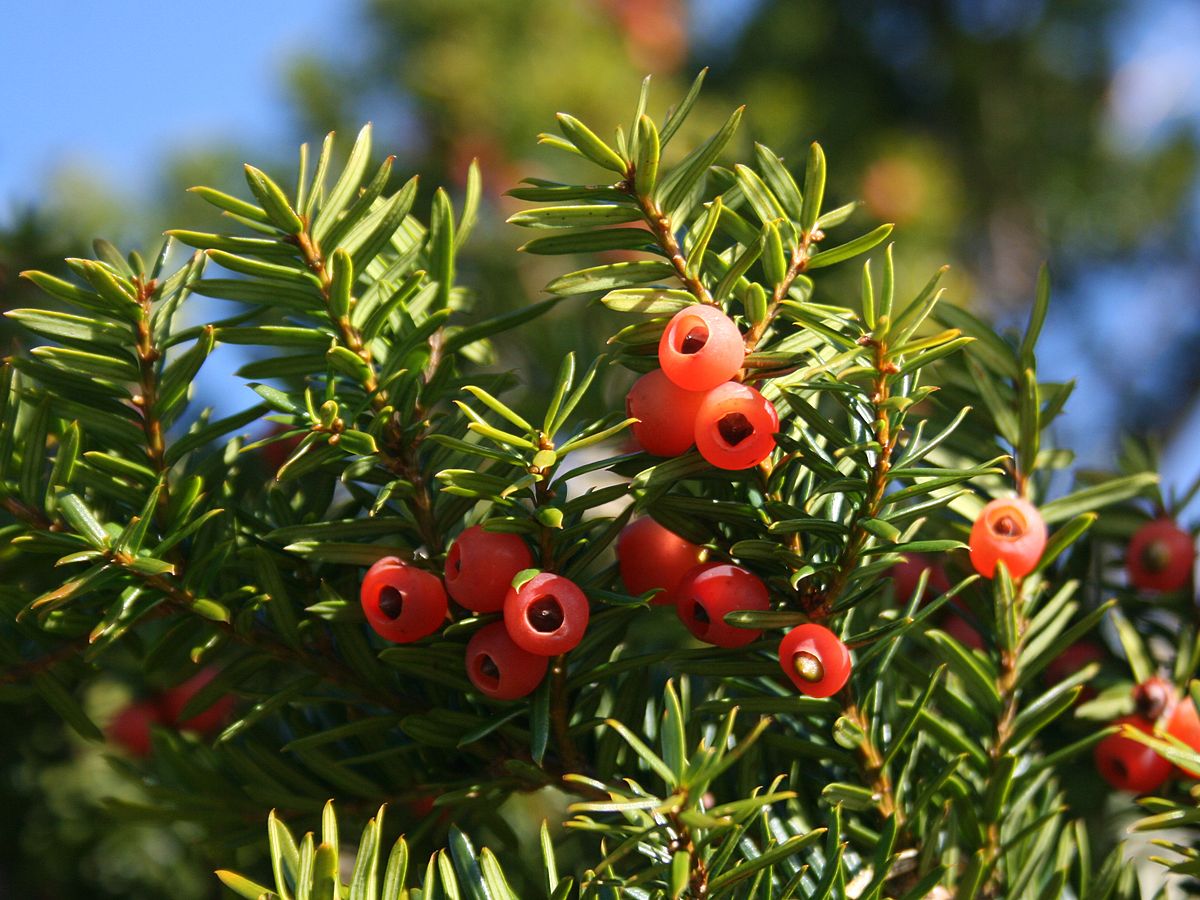
Japanese yew
(Taxus cuspidata)
Also Known As
Japanese yew, Asian yew, Korean yew
About This Plant
Taxus cuspidata is a species of coniferous evergreen tree or shrub that is native to East Asia. It is commonly known as Japanese yew and belongs to the family Taxaceae. The plant has a dense, bushy habit and produces small, fleshy red berries.
Plant Care Instructions
Outdoor Size Range
20-30 feet (6-9 meters) tall and 10-20 feet (3-6 meters) wide
Light Requirements
Japanese yew prefers partial to full shade, but can tolerate full sun in cooler climates.
Humidity Needs
It prefers moderate humidity levels, but can tolerate lower humidity.
Fertilizing Schedule
It does not require much fertilizer, but can benefit from occasional applications of a balanced fertilizer in the spring.
Pruning Guidelines
Pruning is usually not necessary, but can be done in the spring to control the plant's size and shape.
Common Pests and Diseases
Japanese yew is susceptible to scale insects and spider mites.
Indoor Size Range
N/A
Watering Schedule
It prefers well-draining soil and moderate watering. It can tolerate short periods of drought, but excessive watering can lead to root rot.
Temperature Range
Japanese yew can tolerate a wide range of temperatures, from -40°F (-40°C) to 100°F (38°C).
Growing Season
Japanese yew can be planted in the spring or fall.
Growing Difficulty Level
Japanese yew is relatively easy to grow, but can be slow-growing and requires patience.
USDA Hardiness Zones
Japanese yew is hardy in USDA zones 4-7.
Did You Know?
The bark, leaves, and seeds of Japanese yew contain a toxic substance called taxine, which can be fatal if ingested by humans or animals. However, the plant has been used for medicinal purposes in traditional Chinese medicine for centuries.
