Special Web Offer - Get 50% OFF!
Grab Your Deal Now
PlantSnap
Plant Care
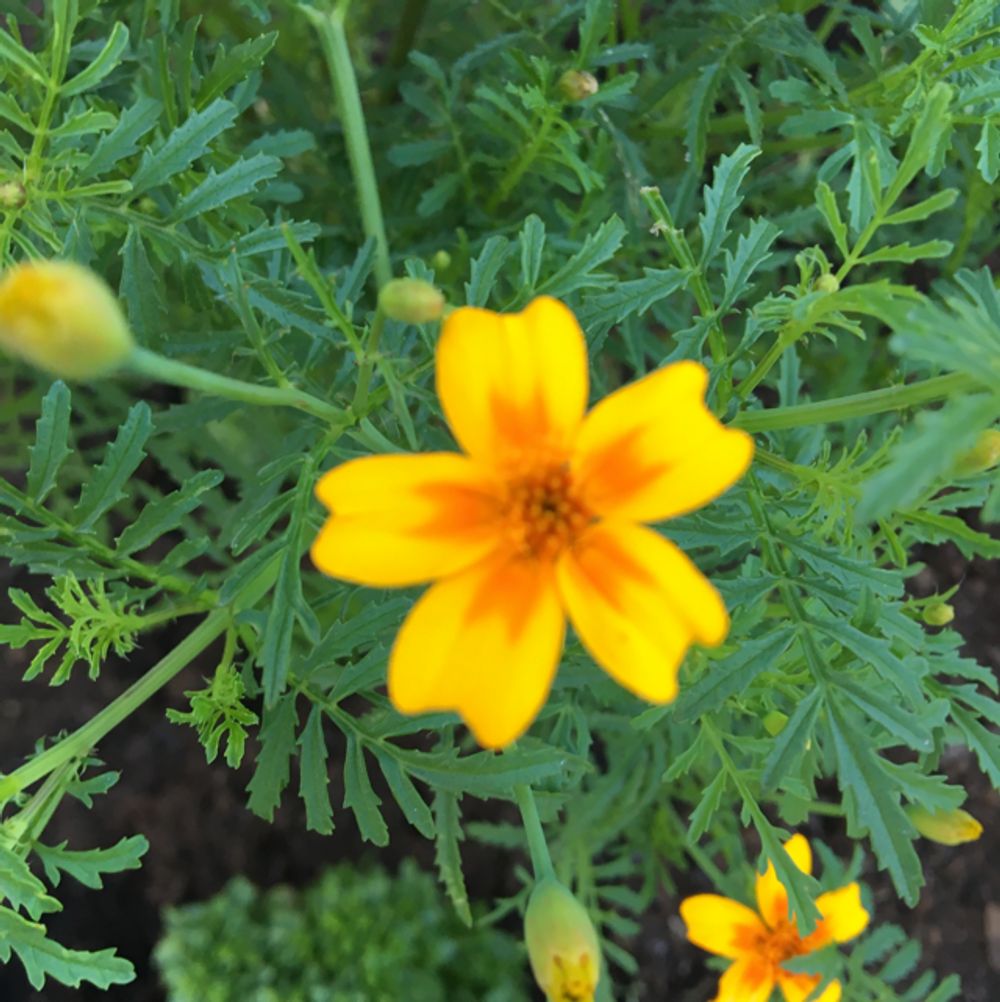
Signet marigold
(Tagetes tenuifolia)
Also Known As
Signet marigold, Golden marigold, French marigold, Mint marigold
About This Plant
Tagetes tenuifolia is a species of the Tagetes genus that belongs to the Asteraceae family. It is commonly known as Signet Marigold, Gem Marigold or Lemon Marigold. The plant is native to Mexico and Central America and is widely cultivated as an ornamental plant.
Plant Care Instructions
Outdoor Size Range
6-18 inches (15-45 cm)
Light Requirements
Tagetes tenuifolia requires full sun exposure to grow properly. It needs at least 6 hours of direct sunlight per day.
Humidity Needs
Tagetes tenuifolia prefers low humidity levels and can thrive in dry conditions.
Fertilizing Schedule
Tagetes tenuifolia doesn't require frequent fertilization. A balanced fertilizer can be applied once a month during the growing season.
Pruning Guidelines
The plant doesn't require pruning, but deadheading spent flowers can promote continuous blooming.
Common Pests and Diseases
Tagetes tenuifolia is relatively pest-resistant, but it can be affected by spider mites, aphids, and whiteflies.
Indoor Size Range
6-12 inches (15-30 cm)
Watering Schedule
The plant prefers well-draining soil and moderate watering. It is drought-tolerant and can survive in dry conditions, but it needs regular watering during hot and dry weather.
Temperature Range
The plant prefers warm temperatures and can tolerate heat well. It can survive in temperatures ranging from 50-85°F (10-30°C).
Growing Season
The plant can be grown throughout the year in warm climates. In cooler climates, it is best to grow it in the summer.
Growing Difficulty Level
Tagetes tenuifolia is easy to grow and maintain, making it an ideal choice for beginners.
USDA Hardiness Zones
Tagetes tenuifolia is hardy in USDA zones 9-11.
Did You Know?
Tagetes tenuifolia is often used as a companion plant in vegetable gardens to repel harmful insects and attract beneficial ones, such as ladybugs and hoverflies.
