Special Web Offer - Get 50% OFF!
Grab Your Deal Now
PlantSnap
Plant Care
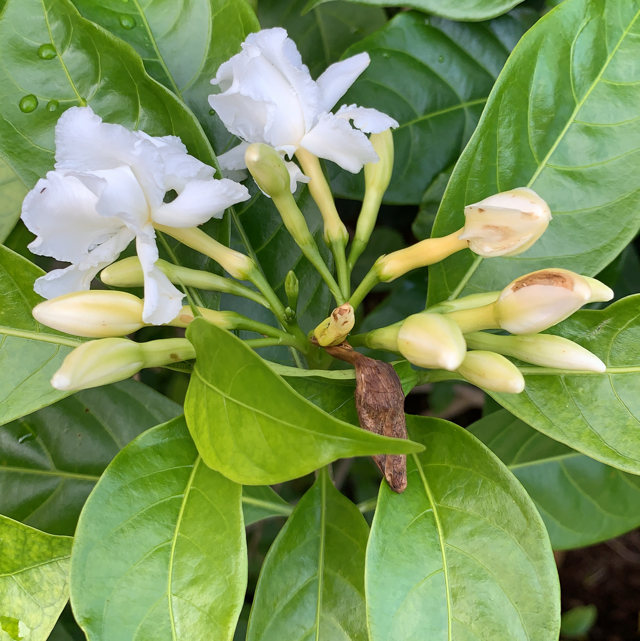
Crape jasmine
(Tabernaemontana divaricata)
Also Known As
Crape jasmine, Pinwheel flower, Chandni, East indian rosebay
About This Plant
Tabernaemontana divaricata is a species of flowering plant in the family Apocynaceae. It is an evergreen shrub or small tree that usually grows up to 6 m tall. The leaves are glossy, dark green, and arranged in whorls of three or four. The flowers are white, fragrant, and star-shaped, with five petals and a yellow center. The fruit is a pair of slender pods, up to 20 cm long, containing numerous seeds.
Plant Care Instructions
Outdoor Size Range
6-20 feet (1.8-6.1 m)
Light Requirements
Crape jasmine prefers bright, indirect light. It can tolerate partial shade, but too much shade can cause the plant to grow leggy and produce fewer flowers.
Humidity Needs
Crape jasmine prefers moderate humidity levels, between 40-60%. It can tolerate lower humidity levels, but it may benefit from occasional misting or placement near a humidifier.
Fertilizing Schedule
Feed crape jasmine with a balanced, water-soluble fertilizer every 4-6 weeks during the growing season (spring and summer). Reduce feeding in fall and winter.
Pruning Guidelines
Prune crape jasmine in late winter or early spring to maintain its shape and size. Remove any dead, damaged, or crossing branches. Pinch back the tips of new growth to encourage branching and bushiness.
Common Pests and Diseases
Common pests for crape jasmine include mealybugs, scale insects, spider mites, and whiteflies. Diseases such as leaf spot and root rot can also occur. Proper watering and good air circulation can help prevent these issues.
Indoor Size Range
2-4 feet (60-120 cm)
Watering Schedule
Water the plant when the top inch of soil feels dry to the touch. Crape jasmine prefers moist, well-draining soil, but it can tolerate short periods of drought.
Temperature Range
Crape jasmine prefers temperatures between 60-75°F (15.5-24°C). It can tolerate temperatures as low as 50°F (10°C) and as high as 90°F (32°C), but extreme temperatures can cause leaf drop and other issues.
Growing Season
Crape jasmine blooms from late spring to fall. It may produce occasional flowers in winter if conditions are favorable.
Growing Difficulty Level
Crape jasmine is considered easy to grow. It can tolerate a range of conditions and is relatively pest-resistant. However, it may require some pruning to maintain its shape and size.
USDA Hardiness Zones
Crape jasmine is hardy in USDA zones 9-11.
Did You Know?
In traditional Indian medicine, various parts of the crape jasmine plant are used to treat a variety of ailments, including fever, diarrhea, and skin conditions.