Special Web Offer - Get 50% OFF!
Grab Your Deal Now
PlantSnap
Plant Care
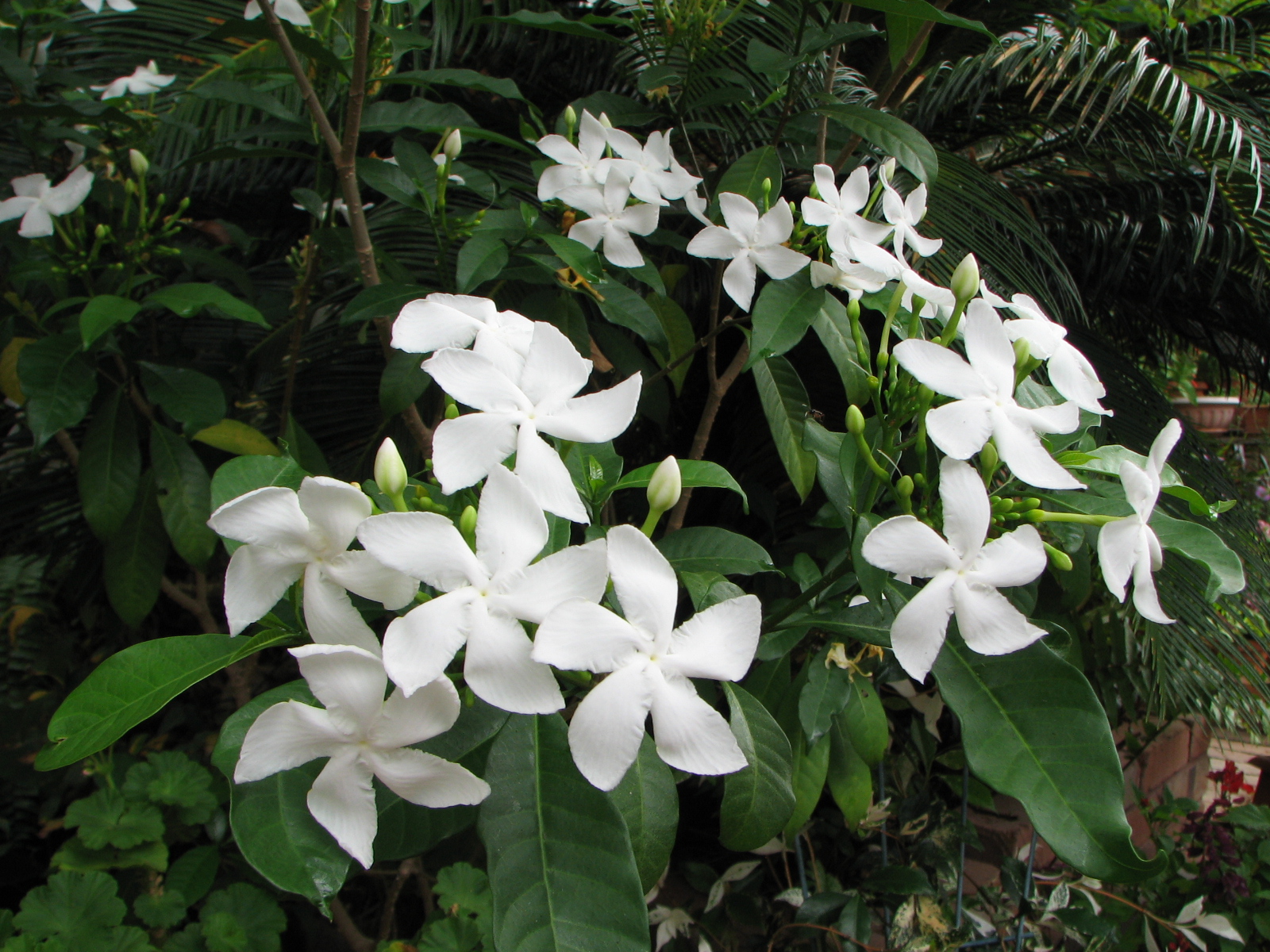
Pinwheel jasmine
(Tabernaemontana corymbosa)
Also Known As
Pinwheel jasmine, Corymbose gardenia, Corymbose flowering tree, Crepe jasmine
About This Plant
Tabernaemontana corymbosa is a species of flowering plant that belongs to the family Apocynaceae. It is a small to medium-sized evergreen tree that can grow up to 10 meters (33 feet) tall. The plant produces fragrant white flowers that bloom in clusters and are followed by small, round fruits.
Plant Care Instructions
Outdoor Size Range
6-10 feet (183-305 cm)
Light Requirements
Crape Jasmine requires full sunlight to partial shade. It prefers bright, indirect light if grown indoors.
Humidity Needs
Crape Jasmine prefers moderate to high humidity levels. It can benefit from occasional misting.
Fertilizing Schedule
The plant benefits from regular fertilization during the growing season (spring and summer). A balanced fertilizer with an NPK ratio of 10-10-10 is recommended.
Pruning Guidelines
Pruning is not necessary but can be done to shape the plant or remove dead or damaged branches. Pruning should be done in the spring before new growth appears.
Common Pests and Diseases
Crape Jasmine is susceptible to scale insects, mealybugs, and spider mites. Regular monitoring and treatment with insecticidal soap can help prevent infestations.
Indoor Size Range
4-6 feet (122-183 cm)
Watering Schedule
The plant requires moderate watering. It should be watered when the top inch of soil is dry to the touch.
Temperature Range
The plant prefers warm temperatures between 60-80°F (15-27°C). It can tolerate temperatures as low as 50°F (10°C) but is sensitive to frost.
Growing Season
Crape Jasmine grows best during the spring and summer months.
Growing Difficulty Level
Crape Jasmine is relatively easy to grow and maintain.
USDA Hardiness Zones
Crape Jasmine is hardy in USDA zones 9-11.
Did You Know?
In traditional medicine, the bark and leaves of Tabernaemontana corymbosa have been used to treat a variety of ailments including fever, malaria, and skin diseases.
