Special Web Offer - Get 50% OFF!
Grab Your Deal Now
PlantSnap
Plant Care
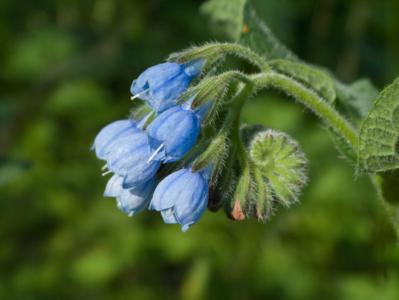
Caucasian comfrey
(Symphytum caucasicum)
Also Known As
Caucasian comfrey, Caucasian symphytum, Russian comfrey
About This Plant
Symphytum caucasicum, commonly known as Caucasian comfrey, is a perennial herbaceous plant that belongs to the Boraginaceae family. It is native to the Caucasus region of Eurasia and has been introduced to other parts of the world as an ornamental plant.
Plant Care Instructions
Outdoor Size Range
24-36 inches (60-90 cm)
Light Requirements
Symphytum caucasicum prefers full sun to partial shade. It can tolerate some shade, but too much shade can lead to leggy growth.
Humidity Needs
Symphytum caucasicum prefers average to high humidity levels. It can benefit from occasional misting or placement on a pebble tray to increase humidity.
Fertilizing Schedule
Feed Symphytum caucasicum with a balanced, all-purpose fertilizer every 2-4 weeks during the growing season. Reduce fertilization in the winter months.
Pruning Guidelines
Prune Symphytum caucasicum in the spring to remove any dead or damaged foliage. You can also cut back the plant by half to encourage bushier growth.
Common Pests and Diseases
Symphytum caucasicum is relatively pest and disease-free, but can occasionally be affected by slugs, snails, and aphids.
Indoor Size Range
12-24 inches (30-60 cm)
Watering Schedule
This plant prefers consistently moist soil, but does not like to be waterlogged. Water thoroughly when the top inch of soil feels dry to the touch.
Temperature Range
This plant prefers cool to moderate temperatures between 60-75°F (15-24°C). It can tolerate occasional dips in temperature to 50°F (10°C), but does not like extreme heat above 80°F (27°C).
Growing Season
Symphytum caucasicum grows best in the spring and summer months, but can continue to grow in the fall with proper care.
Growing Difficulty Level
Symphytum caucasicum is a relatively easy plant to grow, but can be invasive in some areas. It is best grown in containers or in areas where it can be contained.
USDA Hardiness Zones
Symphytum caucasicum is hardy in USDA zones 4-9.
Did You Know?
Symphytum caucasicum has been used for medicinal purposes for centuries, and is believed to have anti-inflammatory and wound-healing properties.
