Special Web Offer - Get 50% OFF!
Grab Your Deal Now
PlantSnap
Plant Care
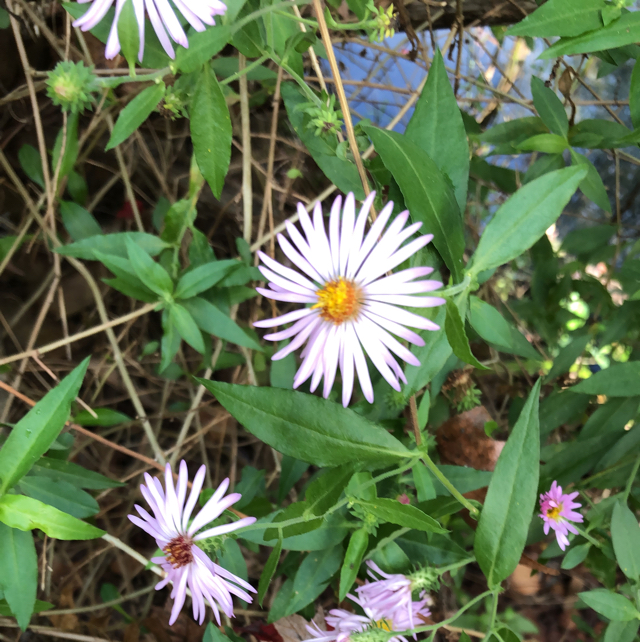
New york aster
(Symphyotrichum novi-belgii)
Also Known As
New york aster, New belgium aster, Belgian aster, Fall aster, Michaelmas daisy
About This Plant
Symphyotrichum novi-belgii is a herbaceous perennial plant species that belongs to the Asteraceae family. It is commonly known as New York aster or Michaelmas daisy. The plant produces numerous small, daisy-like flowers with blue-violet petals and yellow centers. The leaves are lance-shaped and toothed. The plant is native to North America and is widely cultivated for its ornamental value.
Plant Care Instructions
Outdoor Size Range
24-36 inches (60-90 cm)
Light Requirements
Symphyotrichum novi-belgii prefers full sun to partial shade. It requires at least 6 hours of direct sunlight per day.
Humidity Needs
Symphyotrichum novi-belgii prefers moderate humidity levels. It can tolerate dry air, but high humidity levels can lead to fungal diseases.
Fertilizing Schedule
The plant requires regular fertilization during the growing season. A balanced fertilizer with equal amounts of nitrogen, phosphorous, and potassium is recommended.
Pruning Guidelines
Symphyotrichum novi-belgii requires regular pruning to maintain its shape and promote healthy growth. Deadheading spent flowers can also encourage the plant to produce more blooms.
Common Pests and Diseases
The plant is susceptible to aphids, spider mites, and powdery mildew.
Indoor Size Range
12-18 inches (30-45 cm)
Watering Schedule
The plant requires moderate watering. The soil should be kept moist, but not waterlogged. Watering should be reduced during the winter months.
Temperature Range
The plant grows well in temperatures between 60-75°F (15-24°C). It can tolerate colder temperatures, but frost can damage the plant.
Growing Season
Symphyotrichum novi-belgii blooms in late summer to early fall.
Growing Difficulty Level
Symphyotrichum novi-belgii is moderately difficult to grow. It requires regular maintenance and can be susceptible to pests and diseases.
USDA Hardiness Zones
Symphyotrichum novi-belgii is hardy in USDA zones 4-8.
Did You Know?
The name 'Michaelmas daisy' comes from the fact that the plant blooms around the time of the feast of St. Michael and All Angels, which is celebrated on September 29th.
