Special Web Offer - Get 50% OFF!
Grab Your Deal Now
PlantSnap
Plant Care
Common snowberry
(Symphoricarpos albus laevigatus)
Also Known As
Common snowberry, Smooth snowberry, White snowberry
About This Plant
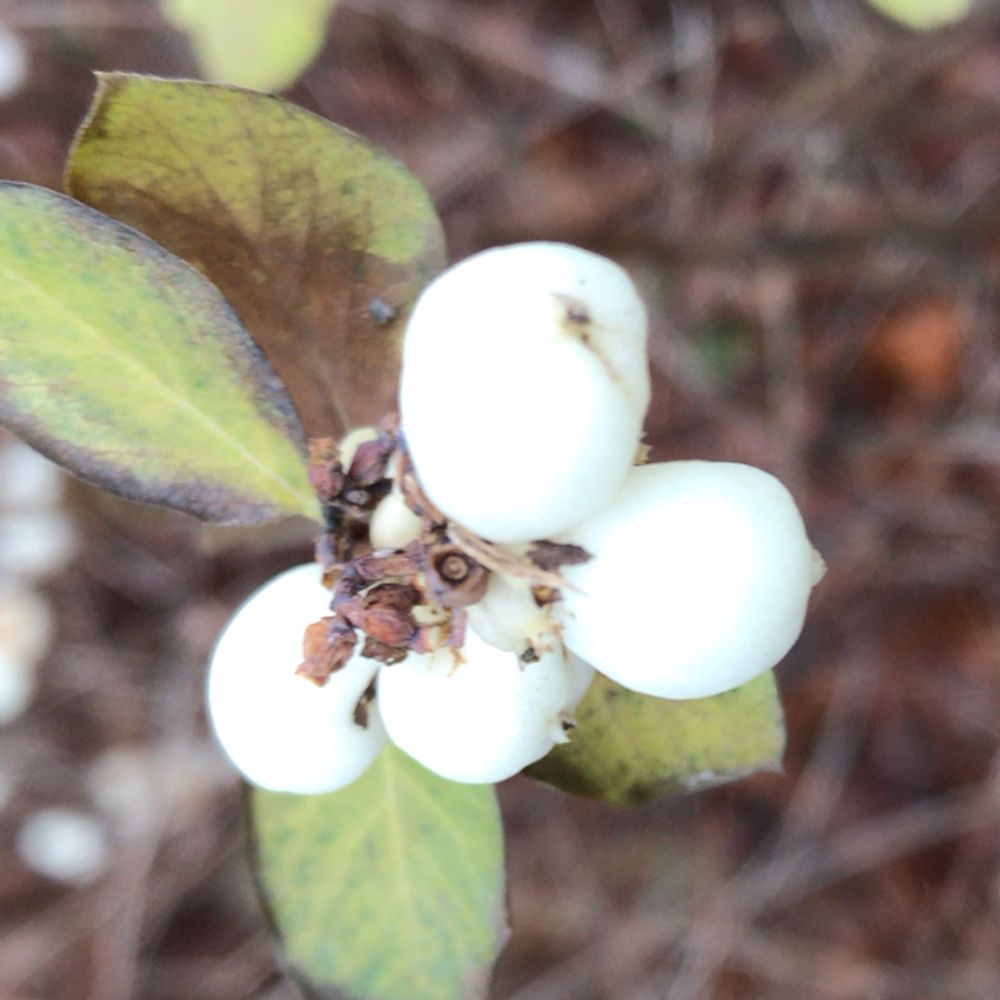
Symphoricarpos albus laevigatus is a deciduous shrub that grows up to 2-6 feet (0.6-1.8 meters) tall and wide. It has oval-shaped leaves that are dark green in color and small, bell-shaped pink flowers that bloom in the summer. The flowers are followed by clusters of small, white berries that persist into the winter.
Plant Care Instructions
Outdoor Size Range
2-6 feet (0.6-1.8 meters) tall and wide
Light Requirements
Snowberry prefers full sun to partial shade. It can tolerate shade but may produce fewer flowers and berries.
Humidity Needs
Snowberry can tolerate a wide range of humidity levels, but it prefers moderate to high humidity.
Fertilizing Schedule
Snowberry does not require fertilizer, but it can benefit from an annual application of balanced fertilizer in the spring.
Pruning Guidelines
Snowberry can be pruned in late winter or early spring to maintain its shape and remove any dead or diseased wood.
Common Pests and Diseases
Snowberry is generally pest and disease resistant, but it can be susceptible to powdery mildew and leaf spot.
Indoor Size Range
Not suitable for indoor growth
Watering Schedule
Moderate watering is required for Snowberry. It can tolerate drought once established, but it prefers consistently moist soil.
Temperature Range
Snowberry can tolerate a wide range of temperatures, but it prefers cool to moderate temperatures. It is hardy to USDA Zones 3-7.
Growing Season
Snowberry grows in the spring and summer and produces berries in the fall and winter.
Growing Difficulty Level
Snowberry is easy to grow and low maintenance.
USDA Hardiness Zones
USDA hardiness zones 3-7
Did You Know?
The berries of Snowberry are not edible and can be toxic if ingested in large quantities. However, they are a valuable food source for birds and other wildlife in the winter.
