Special Web Offer - Get 50% OFF!
Grab Your Deal Now
PlantSnap
Plant Care
Cape primrose
(Streptocarpus hybridus)
Also Known As
Cape primrose, African violet, Streptocarpus
About This Plant
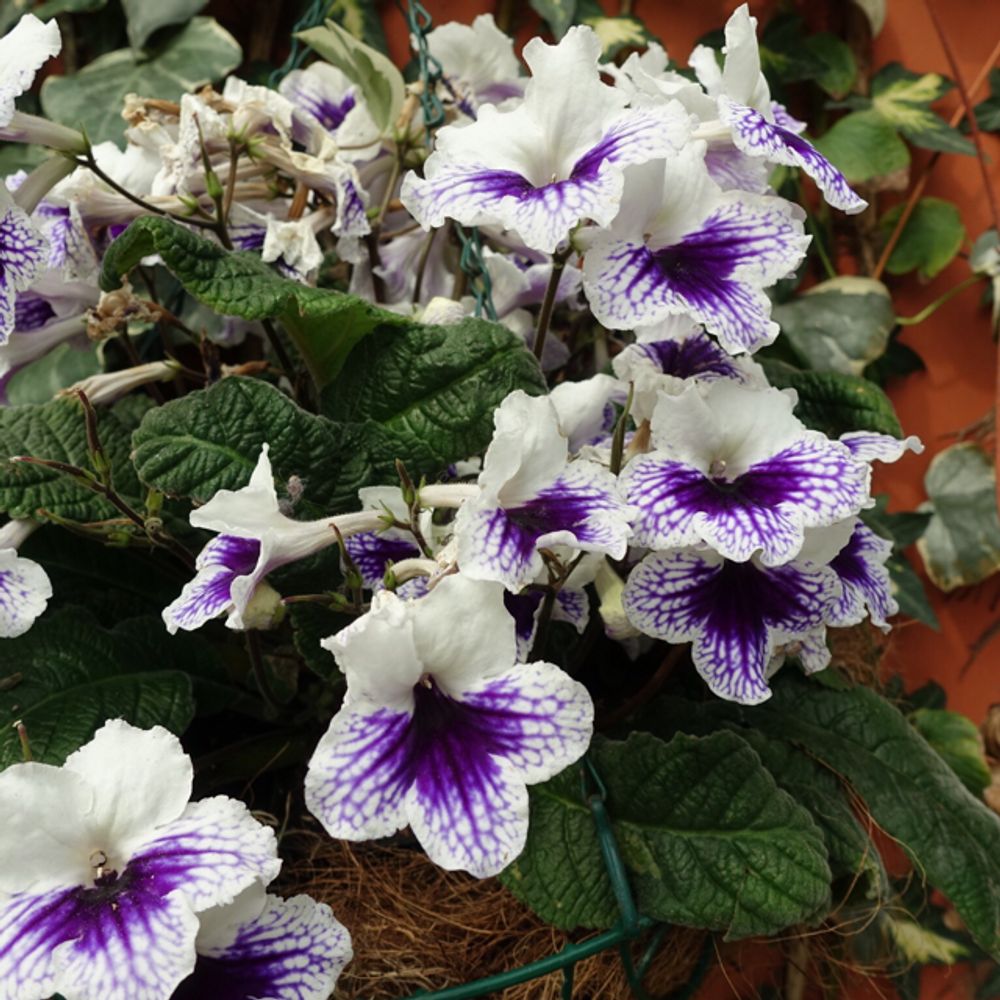
Streptocarpus hybridus is a flowering plant species that belongs to the family Gesneriaceae. It is a hybrid species that produces long-lasting and colorful blooms. The plant is characterized by its rosette-shaped leaves and its ability to produce flowers throughout the year.
Plant Care Instructions
Outdoor Size Range
12-18 inches (30-45 cm)
Light Requirements
Streptocarpus hybridus requires bright, indirect light. Direct sunlight can scorch the leaves and flowers.
Humidity Needs
Streptocarpus hybridus prefers high humidity, around 50-60%. Use a humidifier or place the plant on a pebble tray to increase humidity levels.
Fertilizing Schedule
Use a balanced, water-soluble fertilizer every 2-4 weeks during the growing season. Reduce fertilizer frequency during the winter months.
Pruning Guidelines
Remove spent blooms and yellowing leaves to encourage new growth. Pinch back leggy stems to promote bushier growth.
Common Pests and Diseases
Common pests include spider mites, mealybugs, and aphids. Treat infestations with insecticidal soap or neem oil.
Indoor Size Range
6-12 inches (15-30 cm)
Watering Schedule
The plant requires consistent moisture, but overwatering can cause root rot. Water the plant when the top inch of soil feels dry.
Temperature Range
The plant thrives in temperatures between 60-75°F (15-24°C). Avoid placing the plant in areas with extreme temperature fluctuations.
Growing Season
Streptocarpus hybridus can bloom throughout the year, but it typically produces the most flowers in the spring and summer.
Growing Difficulty Level
Streptocarpus hybridus is considered moderately difficult to grow. It requires consistent moisture, high humidity, and bright, indirect light.
USDA Hardiness Zones
Streptocarpus hybridus is not cold hardy and should be grown indoors or in a greenhouse. It is best suited for USDA hardiness zones 10-12.
Did You Know?
Streptocarpus hybridus was first discovered in South Africa in the mid-1800s and has since become a popular houseplant around the world.
