Special Web Offer - Get 50% OFF!
Grab Your Deal Now
PlantSnap
Plant Care
Bird of paradise
(Strelitzia reginae)
Also Known As
Bird of paradise, Crane flower, Strelitzia
About This Plant
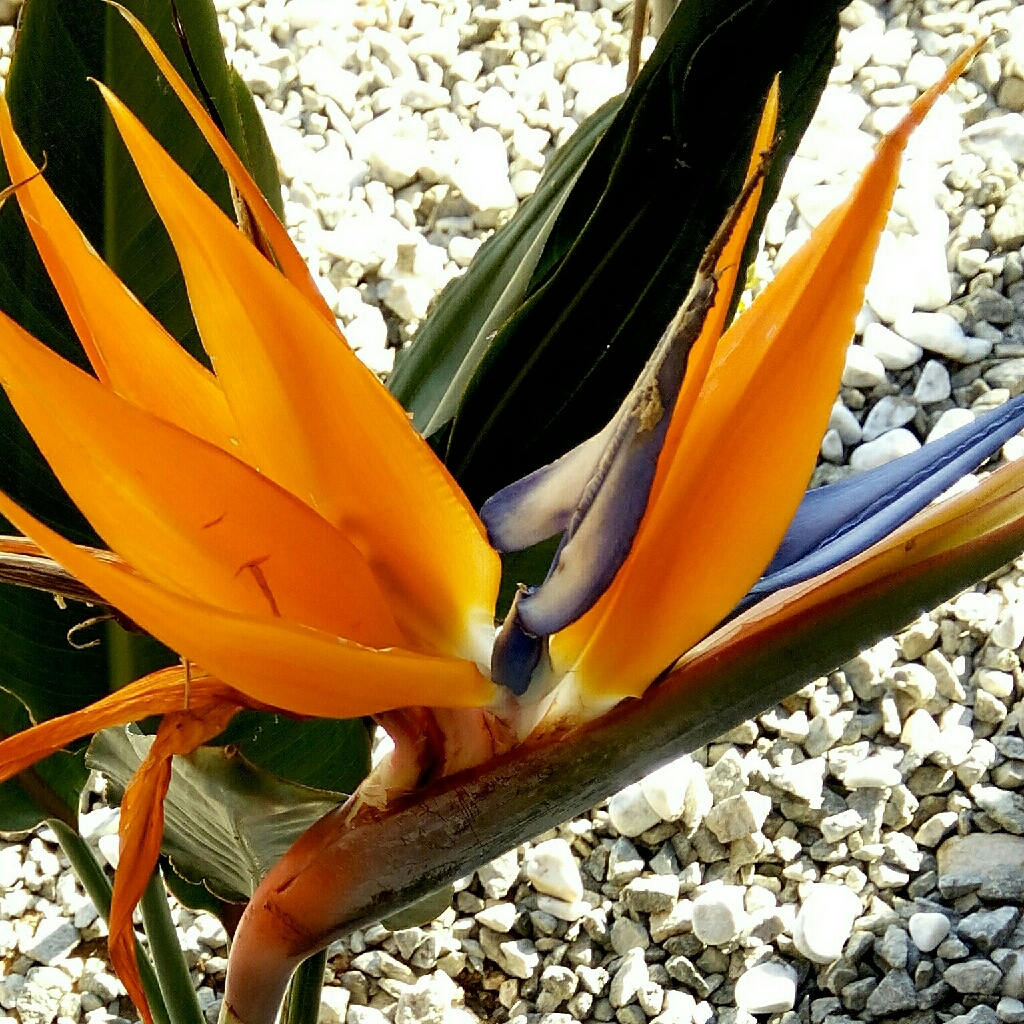
Strelitzia reginae is a species of flowering plant native to South Africa. It is a popular ornamental plant due to its unique bird-like flowers and attractive foliage. The plant can grow up to 6 feet (1.8 meters) tall and 3 feet (0.9 meters) wide.
Plant Care Instructions
Outdoor Size Range
4-6 feet (120-180 cm)
Light Requirements
Strelitzia reginae requires bright, indirect light. It can also tolerate some direct sunlight, but too much can burn the leaves.
Humidity Needs
Strelitzia reginae prefers moderate to high humidity. Mist the leaves regularly or place a tray of water nearby to increase humidity levels.
Fertilizing Schedule
Feed the plant every 2-3 weeks during the growing season (spring and summer) with a balanced, water-soluble fertilizer. Reduce feeding in fall and winter.
Pruning Guidelines
Prune the plant to remove dead or damaged leaves and flowers. Cut back any overgrown stems to maintain the desired shape.
Common Pests and Diseases
Common pests include spider mites, mealybugs, and scale insects. Treat with insecticidal soap or neem oil.
Indoor Size Range
2-4 feet (60-120 cm)
Watering Schedule
The plant prefers to be kept evenly moist, but not waterlogged. Water when the top inch of soil feels dry to the touch.
Temperature Range
The plant prefers temperatures between 60-70°F (15-21°C). It can tolerate temperatures as low as 40°F (4°C) but should be protected from frost.
Growing Season
The growing season for Strelitzia reginae is spring and summer.
Growing Difficulty Level
Strelitzia reginae is moderately difficult to grow. It requires specific growing conditions and can be sensitive to changes in temperature and humidity.
USDA Hardiness Zones
USDA hardiness zones 9-11.
Did You Know?
The bird of paradise flower is also known as the crane flower because of its resemblance to the head and beak of a crane bird.
