Special Web Offer - Get 50% OFF!
Grab Your Deal Now
PlantSnap
Plant Care
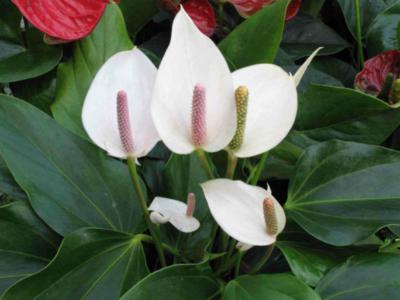
Peace lily
(Spathiphyllum floribundum)
Also Known As
Peace lily, Mauna loa, Spathiphyllum, White anthurium, Lily of the valley
About This Plant
Spathiphyllum floribundum is a species of flowering plant in the family Araceae, native to Colombia and Venezuela. It is an evergreen perennial that produces glossy, dark green leaves and showy white flowers.
Plant Care Instructions
Outdoor Size Range
Not suitable for outdoor growing
Light Requirements
Peace Lilies prefer bright, indirect light but can tolerate low light conditions. Direct sunlight should be avoided as it can scorch the leaves.
Humidity Needs
Peace Lilies thrive in high humidity environments. A humidity level of 50-70% is ideal. Misting the leaves with water can help increase humidity levels.
Fertilizing Schedule
Peace Lilies benefit from regular fertilization during the growing season (spring and summer). A balanced, water-soluble fertilizer can be applied every 2-3 weeks.
Pruning Guidelines
Dead or yellowing leaves can be removed to maintain the appearance of the plant. Flowers should also be removed once they start to fade.
Common Pests and Diseases
Common pests for Peace Lilies include spider mites, mealybugs, and scale insects. Diseases such as root rot and leaf spot can also occur if the plant is overwatered or exposed to cold temperatures.
Indoor Size Range
12-36 inches (30-91 cm)
Watering Schedule
Peace Lilies require consistently moist soil. Watering once a week is usually sufficient, but it may need more frequent watering in hot, dry conditions. Overwatering can lead to root rot, so it's important to ensure the soil is well-draining.
Temperature Range
Peace Lilies prefer temperatures between 65-80°F (18-27°C). They can tolerate temperatures as low as 55°F (13°C) but should be kept away from cold drafts.
Growing Season
Spring and summer
Growing Difficulty Level
Peace Lilies are relatively easy to grow and care for, making them a popular choice for indoor plants.
USDA Hardiness Zones
Not applicable
Did You Know?
Peace Lilies are not true lilies and are not toxic to cats and dogs, making them a great choice for pet owners.
