Special Web Offer - Get 50% OFF!
Grab Your Deal Now
PlantSnap
Plant Care
Sorghum
(Sorghum bicolor)
Also Known As
Sorghum, Great millet, Egyptian millet, Durra, Jowar, Milo
About This Plant
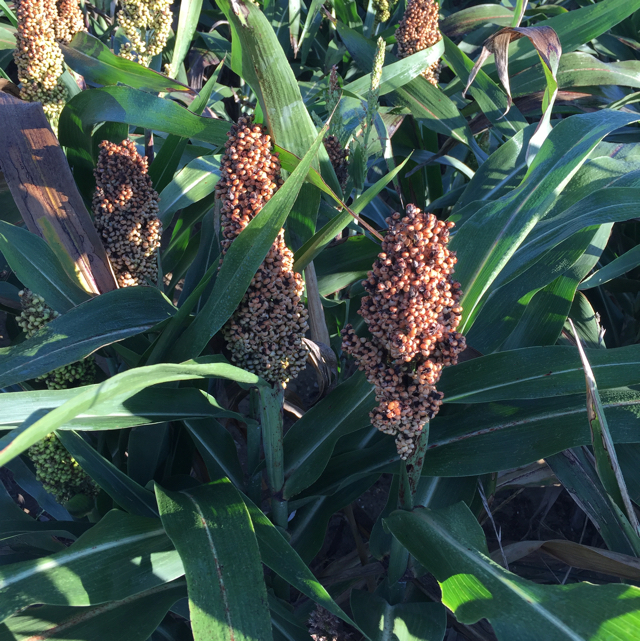
Sorghum bicolor is a species of cereal grain that is widely cultivated in warm regions around the world. It is an annual grass that can grow up to 10 feet (3 meters) tall and produces large clusters of seeds on top of the plant.
Plant Care Instructions
Outdoor Size Range
6-10 feet (1.8-3 meters)
Light Requirements
Sorghum bicolor requires full sun to grow properly. It can tolerate partial shade, but it will not produce as much grain if it does not receive enough sunlight.
Humidity Needs
Sorghum bicolor prefers dry conditions and can tolerate low humidity. High humidity can lead to fungal diseases.
Fertilizing Schedule
Sorghum bicolor does not require much fertilizer. A balanced fertilizer can be applied at planting time. Too much nitrogen can lead to lodging, where the plant falls over due to weak stems.
Pruning Guidelines
Sorghum bicolor does not require pruning.
Common Pests and Diseases
Common pests for Sorghum bicolor include aphids, armyworms, and corn earworms. Diseases that can affect Sorghum bicolor include anthracnose, downy mildew, and smut.
Indoor Size Range
Not suitable for indoor growing
Watering Schedule
Sorghum bicolor is drought-tolerant and does not require much water. However, it will produce more grain if it is watered regularly. Water deeply once a week during dry spells.
Temperature Range
Sorghum bicolor is a warm-season crop and requires temperatures between 75-85°F (24-29°C) to grow properly. It can tolerate temperatures up to 100°F (38°C) but growth will slow down above 85°F (29°C).
Growing Season
Sorghum bicolor is typically grown in the summer months and takes 90-120 days to mature.
Growing Difficulty Level
Sorghum bicolor is relatively easy to grow, but it requires warm temperatures and full sun to produce a good crop. It is drought-tolerant but will produce more grain if it is watered regularly.
USDA Hardiness Zones
Sorghum bicolor is not a perennial plant and does not have a USDA hardiness zone.
Did You Know?
Sorghum bicolor is the fifth most important cereal crop in the world, after wheat, rice, maize, and barley. It is widely used for food, animal feed, and biofuel production.
