Special Web Offer - Get 50% OFF!
Grab Your Deal Now
PlantSnap
Plant Care
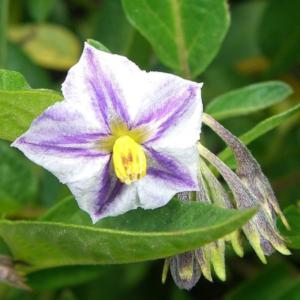
Pepino melon
(Solanum muricatum)
Also Known As
Pepino melon, Pepino, Pepino dulce, Sweet cucumber, Melon pear
About This Plant
Solanum muricatum is a species of evergreen shrub in the nightshade family. It is native to South America and is grown for its sweet edible fruit. The plant can grow up to 2-3 meters tall and has large green leaves that are covered in tiny hairs.
Plant Care Instructions
Outdoor Size Range
3-6 feet (0.9-1.8 meters)
Light Requirements
Pepino plants require full sun to partial shade. They can tolerate some shade, but the fruit production may decrease.
Humidity Needs
Pepino plants prefer moderate to high humidity levels. They can benefit from regular misting or placing a tray of water nearby.
Fertilizing Schedule
Pepino plants benefit from regular fertilization with a balanced fertilizer. Fertilize every 2-3 weeks during the growing season.
Pruning Guidelines
Pepino plants benefit from regular pruning to maintain their shape and promote fruit production. Prune back any dead or damaged branches and remove any suckers that grow from the base of the plant.
Common Pests and Diseases
Common pests for pepino plants include aphids, spider mites, and whiteflies. Diseases such as powdery mildew and bacterial wilt can also occur.
Indoor Size Range
24-36 inches (60-91 cm)
Watering Schedule
Pepino plants require regular watering, especially during the growing season. The soil should be kept moist but not waterlogged.
Temperature Range
Pepino plants prefer warm temperatures between 60-80°F (16-27°C). They can tolerate some cooler temperatures but may suffer damage if exposed to frost.
Growing Season
Pepino plants can be grown year-round in warm climates. In cooler climates, they are typically grown as annuals during the summer months.
Growing Difficulty Level
Pepino plants are relatively easy to grow, but they may require some extra care to produce fruit in cooler climates.
USDA Hardiness Zones
Pepino plants are hardy in USDA zones 9-11.
Did You Know?
The pepino fruit is sometimes referred to as a 'melon pear' due to its sweet, juicy flavor and pear-like shape.
