Special Web Offer - Get 50% OFF!
Grab Your Deal Now
PlantSnap
Plant Care
Carolina horsenettle
(Solanum carolinense)
Also Known As
Carolina horsenettle, Bull nettle, Deadly nightshade (though it's not the same as true deadly nightshade)
About This Plant
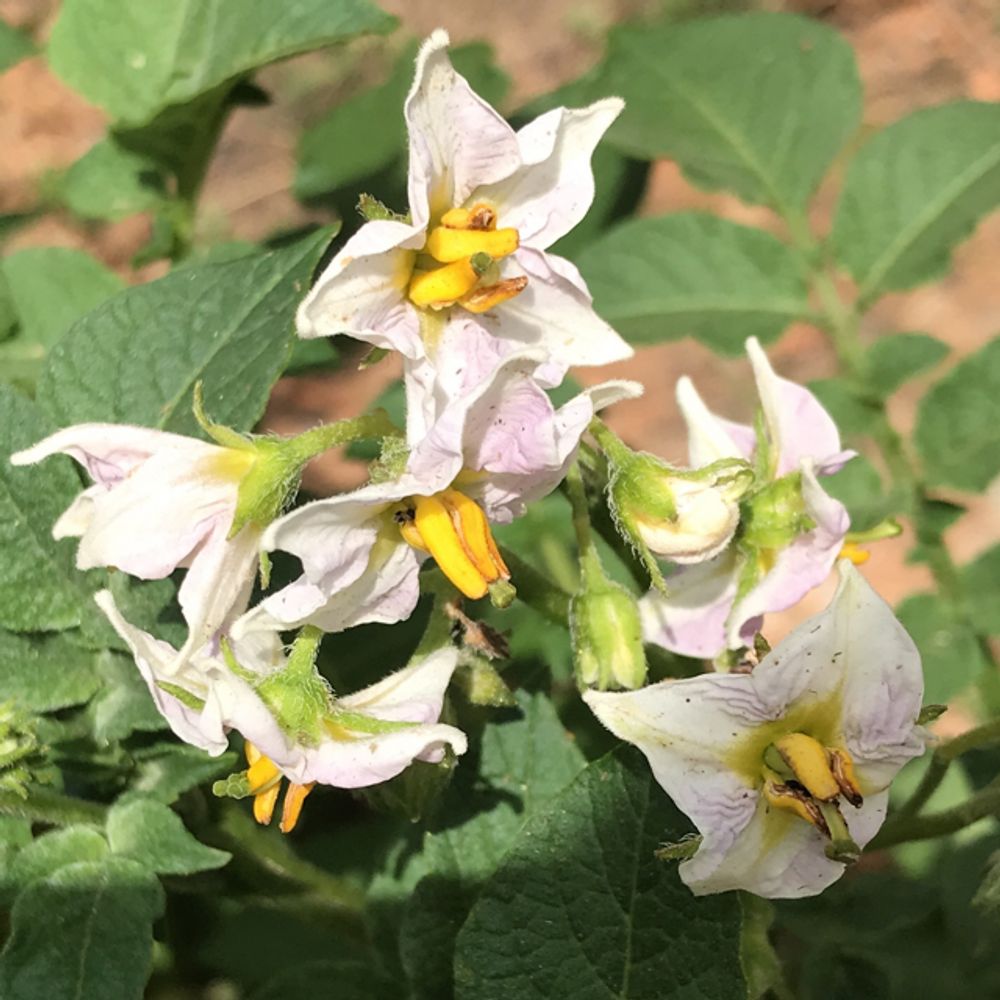
Solanum carolinense is a perennial plant species that belongs to the Solanaceae family. It is commonly known as Carolina horsenettle, bull nettle, or apple of Sodom. It is native to the southeastern United States and is known for its prickly stems and leaves, as well as its small white or purple flowers and yellow fruit.
Plant Care Instructions
Outdoor Size Range
2-3 feet (60-91 cm) tall, 2-4 feet (60-122 cm) wide
Light Requirements
Carolina horsenettle prefers full sun, but can tolerate partial shade.
Humidity Needs
It can tolerate low to moderate humidity levels.
Fertilizing Schedule
Fertilize the plant once a month during the growing season with a balanced, all-purpose fertilizer.
Pruning Guidelines
Prune the plant in late winter or early spring before new growth appears. Remove any dead or damaged branches and shape the plant as desired.
Common Pests and Diseases
Carolina horsenettle is susceptible to a variety of pests and diseases, including spider mites, aphids, and whiteflies. It is also toxic to livestock and can cause skin irritation in humans.
Indoor Size Range
N/A
Watering Schedule
It requires moderate watering. Water the plant when the top 1-2 inches (2.5-5 cm) of soil is dry.
Temperature Range
Carolina horsenettle is tolerant of a wide range of temperatures, from hot and dry to cool and wet. It can survive in USDA hardiness zones 4 to 9.
Growing Season
Carolina horsenettle grows from late spring to early fall.
Growing Difficulty Level
Carolina horsenettle is relatively easy to grow, but its prickly stems and leaves can make it difficult to handle.
USDA Hardiness Zones
4 to 9
Did You Know?
Carolina horsenettle gets its name from its prickly stems and leaves, which can be painful to touch. However, it is also known for its medicinal properties and has been used by Native Americans to treat a variety of ailments, including arthritis and skin conditions.
