Special Web Offer - Get 50% OFF!
Grab Your Deal Now
PlantSnap
Plant Care
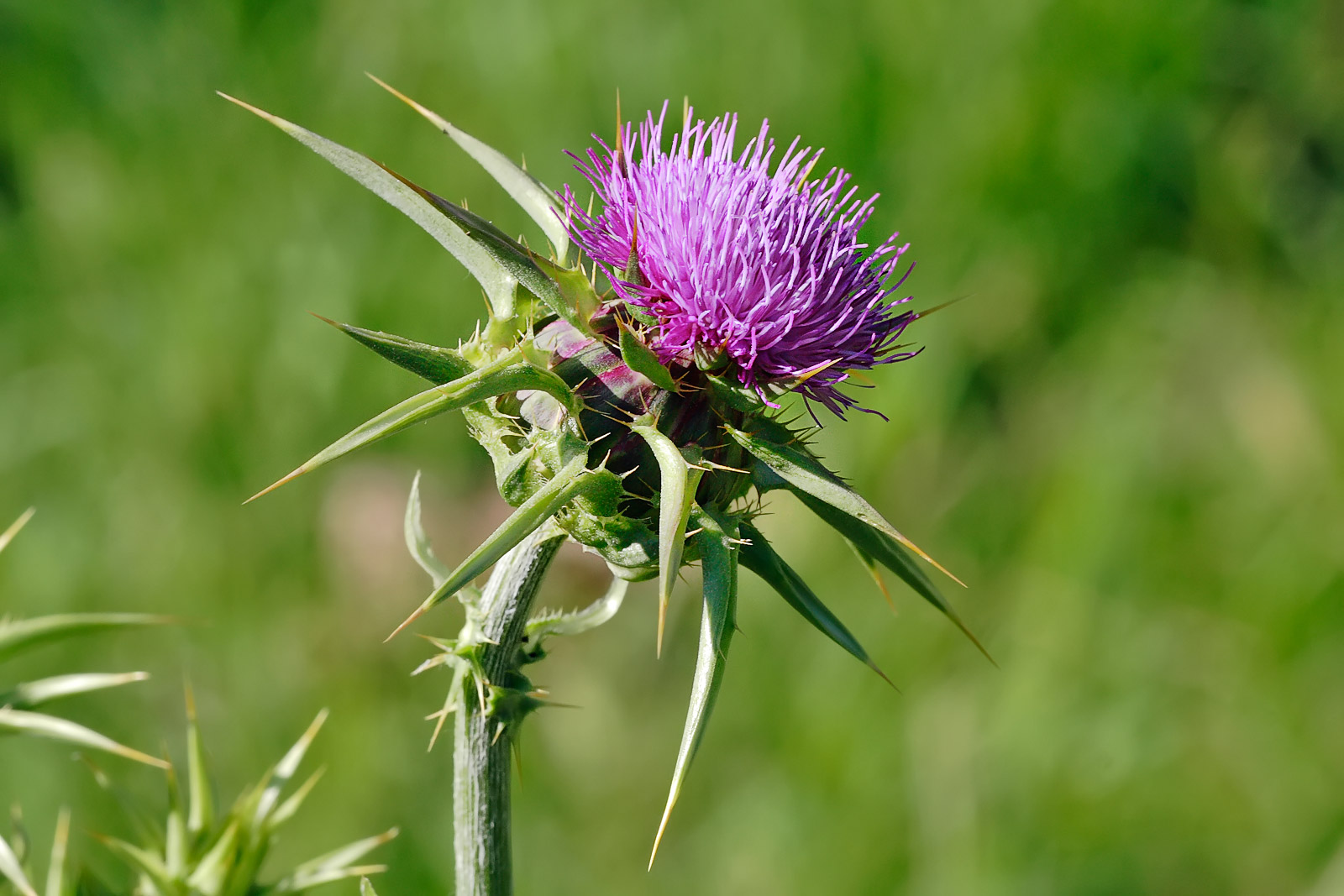
Milk thistle
(Silybum marianum)
Also Known As
Milk thistle, Blessed thistle, Marian thistle
About This Plant
Silybum marianum, commonly known as Milk thistle, is a flowering plant species in the Asteraceae family. It is an annual or biennial plant that grows up to 10 feet (3 meters) tall and 3 feet (0.9 meters) wide. The leaves are large, prickly, and glossy green with white veins. The flowers are purple and can grow up to 2 inches (5 cm) in diameter. The plant is native to the Mediterranean region but is now found throughout the world.
Plant Care Instructions
Outdoor Size Range
Up to 10 feet (3 meters) tall and 3 feet (0.9 meters) wide.
Light Requirements
Milk thistle requires full sun to partial shade, with at least 6 hours of direct sunlight per day. It can tolerate some shade, but too much shade can result in leggy growth and poor flowering.
Humidity Needs
Milk thistle can tolerate a wide range of humidity levels, from dry to humid. However, it prefers moderate humidity levels.
Fertilizing Schedule
Milk thistle requires moderate fertilization, with a balanced fertilizer applied every 4-6 weeks during the growing season. Avoid over-fertilization, which can result in leggy growth and poor flowering.
Pruning Guidelines
Milk thistle requires minimal pruning, with only dead or damaged leaves and stems removed as needed. Pruning can be done at any time of year.
Common Pests and Diseases
Milk thistle is relatively pest-free, but can be susceptible to aphids, spider mites, and thrips. These pests can be controlled with insecticidal soap or neem oil.
Indoor Size Range
Not suitable for indoor cultivation.
Watering Schedule
Milk thistle requires moderate watering, with the soil kept evenly moist but not waterlogged. It can tolerate some drought, but prolonged dry periods can cause the plant to wilt and die.
Temperature Range
Milk thistle can tolerate a wide range of temperatures, from hot to cold. It prefers moderate temperatures between 60-70°F (15-21°C), but can tolerate temperatures as low as 20°F (-6°C) and as high as 100°F (38°C).
Growing Season
Milk thistle is an annual or biennial plant that is typically grown from seed in the spring or fall. It can be grown year-round in warmer climates.
Growing Difficulty Level
Milk thistle is relatively easy to grow, with moderate requirements for water, fertilizer, and light. However, it can be difficult to germinate from seed and may require several attempts to establish.
USDA Hardiness Zones
Milk thistle is hardy in USDA zones 4-10.
Did You Know?
Milk thistle has been used for thousands of years as a medicinal herb, particularly for liver health. Its active ingredient, silymarin, has been shown to have antioxidant and anti-inflammatory properties.
