Special Web Offer - Get 50% OFF!
Grab Your Deal Now
PlantSnap
Plant Care
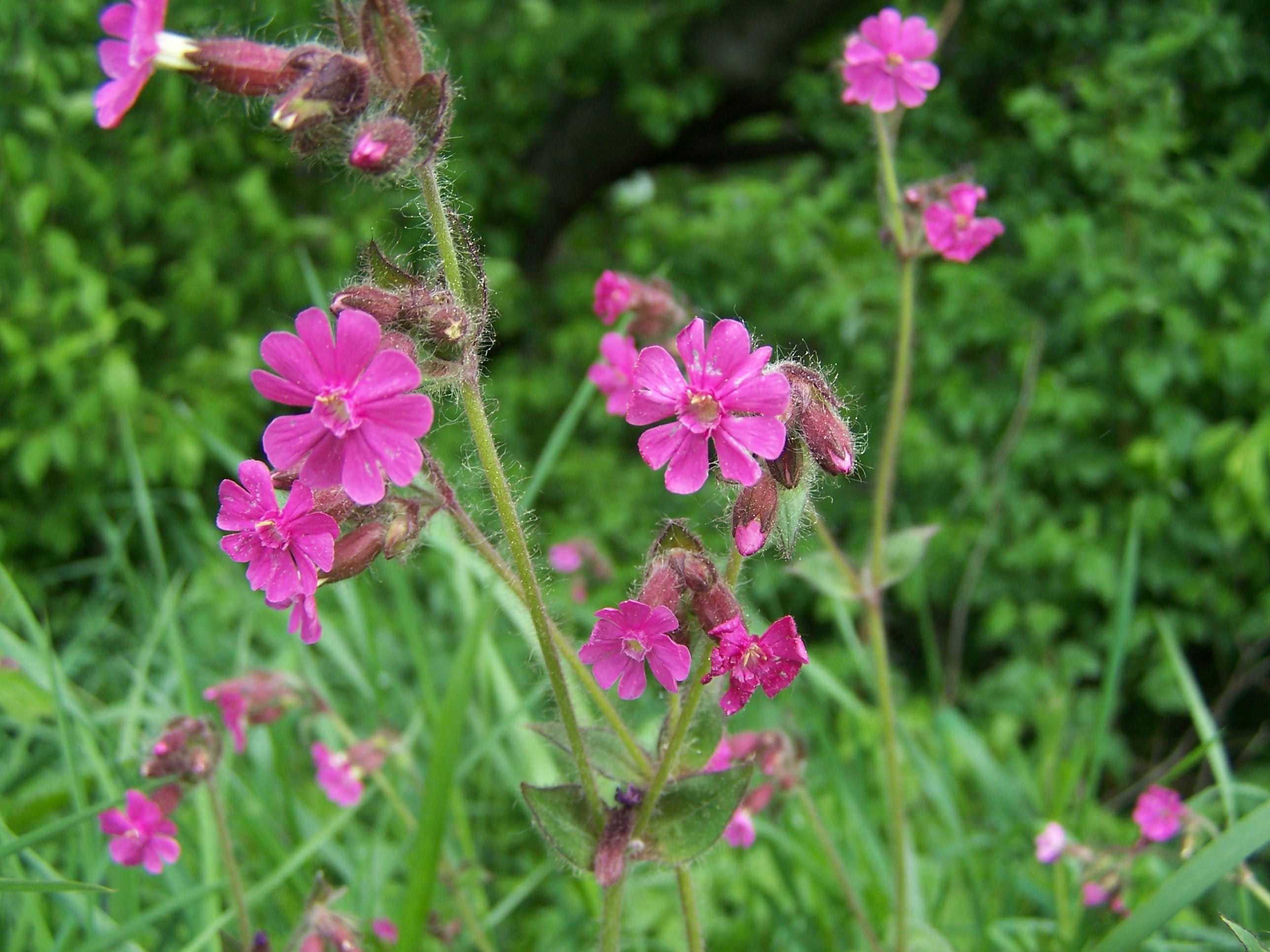
Peterson's catchfly
(Silene petersonii)
Also Known As
Peterson's catchfly, Peterson's campion
About This Plant
Silene petersonii is a perennial herbaceous plant species that belongs to the family Caryophyllaceae. It is native to the United States and is commonly known as Peterson's Catchfly or Peterson's Silene. The plant has narrow leaves and produces clusters of pink or white flowers that bloom in the summer.
Plant Care Instructions
Outdoor Size Range
12-24 inches (30-60 cm)
Light Requirements
Silene petersonii prefers full sun to partial shade, with at least 6 hours of direct sunlight per day.
Humidity Needs
Silene petersonii prefers moderate humidity levels, but can tolerate low humidity.
Fertilizing Schedule
Fertilize the plant once a month during the growing season (spring and summer) with a balanced fertilizer.
Pruning Guidelines
Prune the plant regularly to encourage bushier growth and remove any dead or diseased foliage.
Common Pests and Diseases
Silene petersonii is generally resistant to pests and diseases, but can occasionally be affected by aphids, spider mites, and powdery mildew.
Indoor Size Range
6-12 inches (15-30 cm)
Watering Schedule
The plant requires moderate watering, with the soil kept moist but not waterlogged. It is important to avoid overwatering as it can lead to root rot.
Temperature Range
The plant prefers moderate temperatures between 60-75°F (15-24°C), but can tolerate temperatures as low as 50°F (10°C) and as high as 85°F (29°C).
Growing Season
The growing season for Silene petersonii is from spring to fall, with the plant going dormant in the winter.
Growing Difficulty Level
Silene petersonii is relatively easy to grow and care for, making it a great choice for beginners.
USDA Hardiness Zones
Silene petersonii is hardy in USDA zones 5-9.
Did You Know?
Silene petersonii is named after botanist and ecologist Janice Emily Bowers Peterson, who discovered the plant in the 1970s.