Special Web Offer - Get 50% OFF!
Grab Your Deal Now
PlantSnap
Plant Care
Agati
(Sesbania grandiflora)
Also Known As
Agati, Agathi, Butterfly pea, Hummingbird tree, Sesban, Scarlet wisteria
About This Plant
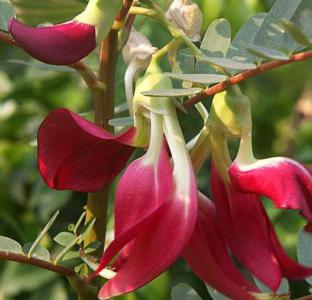
Sesbania grandiflora is a fast-growing, deciduous tree with a straight, cylindrical bole and an open crown; it can grow up to 20 meters tall. The leaves are paripinnate, with 6 to 20 pairs of leaflets, and are about 30 to 60 cm long. The flowers are large, showy, and fragrant, with five petals that are white, yellow, or pink in color.
Plant Care Instructions
Outdoor Size Range
40-60 feet (12-18 meters) tall and 20-30 feet (6-9 meters) wide
Light Requirements
Full sun to partial shade. The plant can tolerate some shade but will produce fewer flowers.
Humidity Needs
The plant prefers a humid environment, but it can tolerate dry conditions. It should be misted regularly if grown indoors.
Fertilizing Schedule
The plant benefits from regular fertilization during the growing season. A balanced fertilizer with equal parts nitrogen, phosphorus, and potassium is recommended.
Pruning Guidelines
The plant requires minimal pruning. Dead or damaged branches should be removed as needed.
Common Pests and Diseases
The plant is relatively pest-resistant but can be susceptible to aphids and spider mites.
Indoor Size Range
Not suitable for indoor growth
Watering Schedule
The plant requires moderate watering. It should be watered regularly during the growing season, but the soil should be allowed to dry out slightly between waterings. In the winter, the plant should be watered less frequently.
Temperature Range
The plant can tolerate a wide range of temperatures, from 10 to 40 degrees Celsius (50 to 104 degrees Fahrenheit). It is not frost-tolerant.
Growing Season
Late spring to early fall
Growing Difficulty Level
Easy
USDA Hardiness Zones
9b-11
Did You Know?
In traditional medicine, Sesbania grandiflora is used to treat a variety of ailments, including fever, inflammation, and respiratory problems. The plant is also used as a natural pesticide and fertilizer.
