Special Web Offer - Get 50% OFF!
Grab Your Deal Now
PlantSnap
Plant Care
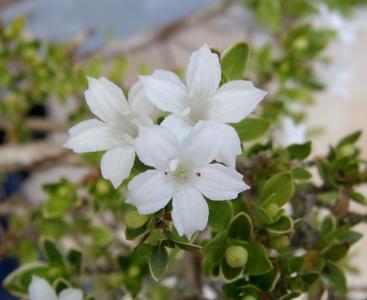
Snow rose
(Serissa japonica)
Also Known As
Snow rose, Japanese serissa, Tree of a thousand stars
About This Plant
Serissa japonica is a species of flowering plant in the family Rubiaceae, native to open sub-tropical woodlands and wet meadows in Southeast Asia. It is a small, evergreen shrub with tiny, white, star-shaped flowers that bloom in summer and fall.
Plant Care Instructions
Outdoor Size Range
12-24 inches (30-60 cm)
Light Requirements
Serissa japonica prefers bright, indirect light. Direct sunlight can scorch the leaves.
Humidity Needs
This plant prefers high humidity and will benefit from regular misting or a humidifier.
Fertilizing Schedule
Fertilize every 2-3 weeks during the growing season with a balanced, water-soluble fertilizer. Reduce fertilization during the winter months.
Pruning Guidelines
Prune after flowering to maintain the desired shape and size. Pinch back new growth to encourage branching.
Common Pests and Diseases
Common pests include spider mites, whiteflies, and scale insects. Serissa japonica is also susceptible to fungal diseases such as powdery mildew and root rot.
Indoor Size Range
8-12 inches (20-30 cm)
Watering Schedule
Water the plant when the top inch of soil feels dry to the touch. Serissa japonica prefers moist soil but can suffer from root rot if overwatered.
Temperature Range
Serissa japonica prefers temperatures between 60-75°F (15-24°C). It is sensitive to cold drafts and should be kept away from air conditioning vents.
Growing Season
Serissa japonica can be grown year-round indoors. It can be grown outdoors in USDA hardiness zones 8-11.
Growing Difficulty Level
Serissa japonica is considered moderately difficult to grow. It requires consistent watering and high humidity, and is sensitive to temperature and light fluctuations.
USDA Hardiness Zones
8-11
Did You Know?
In traditional Chinese medicine, Serissa japonica is used to treat a variety of ailments including insomnia, headaches, and indigestion.
