Special Web Offer - Get 50% OFF!
Grab Your Deal Now
PlantSnap
Plant Care
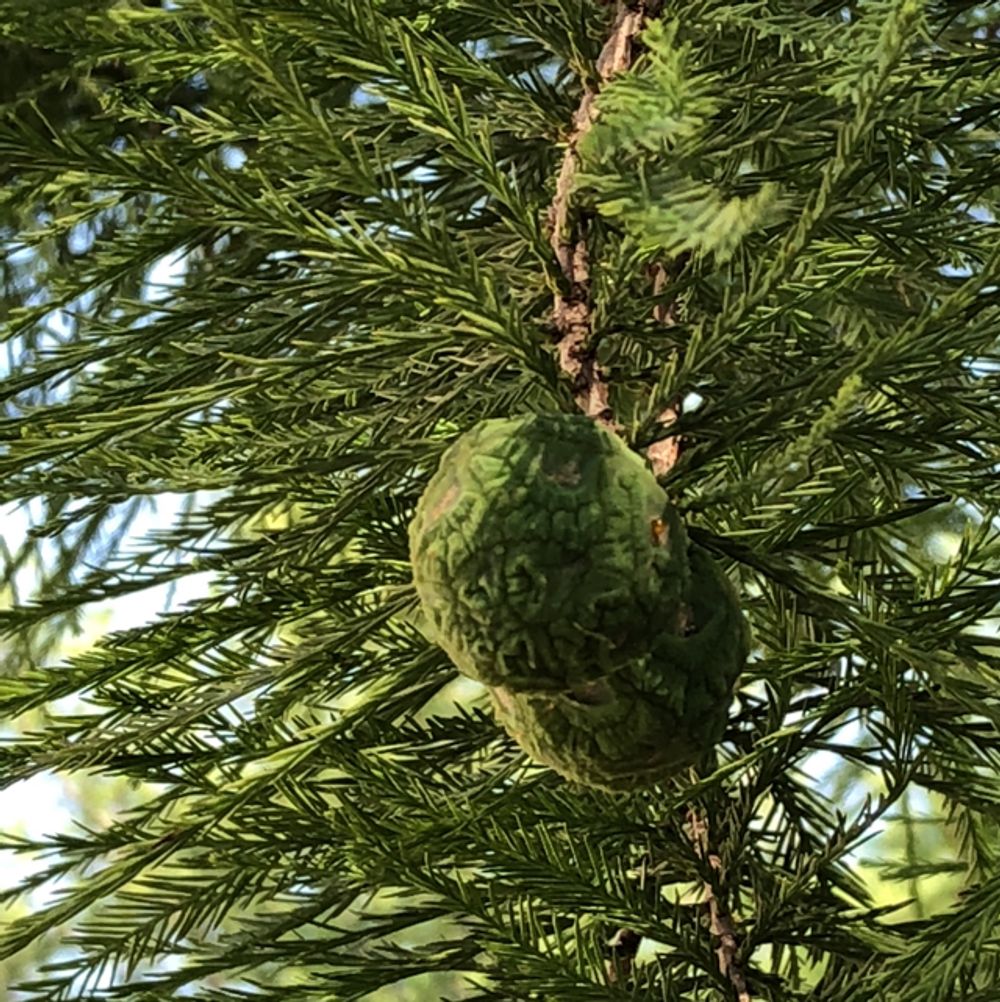
Giant sequoia
(Sequoiadendron giganteum)
Also Known As
Giant sequoia, Sierra redwood, Wellingtonia
About This Plant
Sequoiadendron giganteum, commonly known as giant sequoia, is a coniferous evergreen tree native to the Sierra Nevada Mountains in California. It is the sole living species in the genus Sequoiadendron and is one of three species of conifers known as redwoods.
Plant Care Instructions
Outdoor Size Range
Height: 164-279 feet (50-85 m), Diameter: 20-26 feet (6-8 m)
Light Requirements
Giant Sequoias require full sun to thrive.
Humidity Needs
Giant Sequoias prefer low to moderate humidity.
Fertilizing Schedule
Giant Sequoias do not require fertilizer, but may benefit from a slow-release, low-nitrogen fertilizer in poor soil conditions.
Pruning Guidelines
Giant Sequoias do not require pruning, but can be pruned to remove dead or damaged branches.
Common Pests and Diseases
Giant Sequoias are generally resistant to pests and diseases, but can be susceptible to root rot in poorly-drained soil.
Indoor Size Range
Not suitable for indoor cultivation.
Watering Schedule
Giant Sequoias require moderate watering.
Temperature Range
Giant Sequoias can tolerate a wide range of temperatures, but prefer cooler climates.
Growing Season
Giant Sequoias grow best in the spring and summer months.
Growing Difficulty Level
Giant Sequoias are difficult to grow due to their size and specific growing requirements.
USDA Hardiness Zones
Giant Sequoias are hardy in USDA zones 6-8.
Did You Know?
The giant sequoia is the largest tree in the world by volume, with some specimens reaching over 52,000 cubic feet (1,470 cubic meters) of wood.
