Special Web Offer - Get 50% OFF!
Grab Your Deal Now
PlantSnap
Plant Care
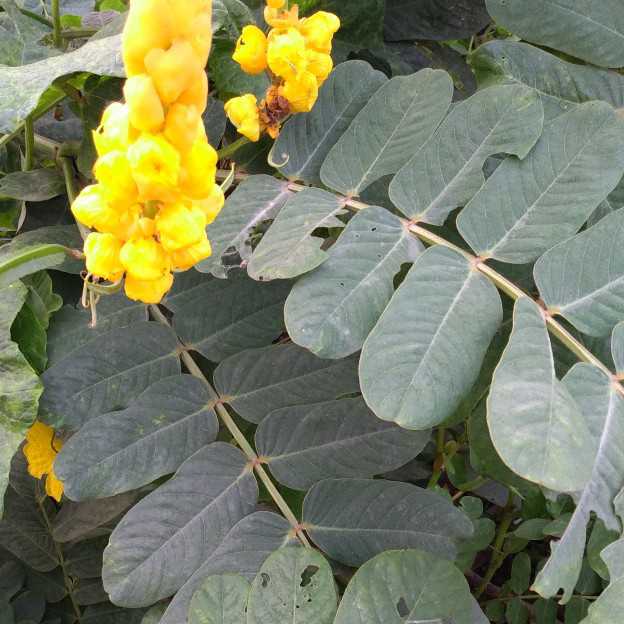
Candle bush
(Senna alata)
Also Known As
Candle bush, Candlestick plant, Christmas candle, Empress candle plant, Ringworm bush
About This Plant
Senna alata is a shrub or small tree that belongs to the legume family. It is commonly known as the Candle Bush or Emperor's Candlesticks. This plant species is native to tropical America and is widely cultivated in many parts of the world for ornamental purposes, medicinal and industrial uses.
Plant Care Instructions
Outdoor Size Range
6-15 feet (1.8-4.6 meters)
Light Requirements
Senna alata prefers full sun to partial shade. It requires at least 6 hours of direct sunlight each day.
Humidity Needs
This plant species prefers moderate to high humidity levels, but it can tolerate low humidity.
Fertilizing Schedule
Fertilize the Candle Bush once a month during the growing season with a balanced fertilizer. Avoid over-fertilizing as it can cause the plant to produce fewer flowers.
Pruning Guidelines
Prune the plant after flowering to maintain its shape and promote bushier growth. Remove any dead or damaged branches as needed.
Common Pests and Diseases
Senna alata is relatively pest and disease resistant. However, it can be attacked by spider mites, whiteflies, and aphids.
Indoor Size Range
24-36 inches (61-91 cm)
Watering Schedule
The Candle Bush prefers well-drained soil that is kept consistently moist. Water the plant thoroughly once a week and increase the frequency during hot, dry weather.
Temperature Range
Senna alata prefers warm temperatures and cannot tolerate frost. It can thrive in temperatures ranging from 60-90°F (15-32°C).
Growing Season
The growing season for Senna alata is from spring to fall. It can bloom throughout the year in tropical climates.
Growing Difficulty Level
Senna alata is easy to grow and maintain. It is an excellent choice for beginner gardeners.
USDA Hardiness Zones
Senna alata is hardy in USDA zones 9-11.
Did You Know?
The Candle Bush has been used in traditional medicine to treat a variety of ailments, including skin infections, ringworm, and constipation.
